pickling melon Care (Cucumis melo var. conomon)

Also known as: Oriental pickling melon, snake cucumber, sweet melon

About pickling melon

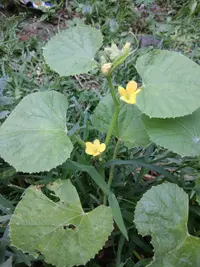
Pickling melon, Cucumis melo var. conomon, is an annual vining melon grown mainly for its firm, mild-tasting immature fruits used in pickles and preserves. The plants produce trailing or climbing stems with tendrils, yellow flowers, and small to medium, usually pale or striped fruits.

This variety originated in East Asia and is now grown in many warm and temperate regions as a specialty crop. It is generally considered easy to grow if given full sun, moderate moisture, and well-drained, fertile soil.

Vigorous growth, a relatively quick crop cycle, and good productivity make it suitable for home vegetable gardens. Understanding how to care for pickling melon helps reduce issues with pests, diseases, and irregular fruit quality.

Main Plant Requirements

Care Difficulty

Moderate Care

Light Preference

Full Sun

Water Requirements

Regular Water

Temperature Preference

Tropical / Frost Sensitive

Hardiness Zone

4–11

Soil Texture

Sandy, Loamy, Organic-rich

Soil pH

Acidic (5.5–6.5), Slightly acidic (6.5–7.0)

Soil Drainage

Moist but well-drained

Fertilization

Moderate (every 2–4 weeks)

Get Personalized Care Plan

Scan your plant to receive care tips personalized for your specific plant

Available on iOS and Android

How to Care for the pickling melon

This melon prefers strong sun but benefits from some protection in very hot climates.

  • Provide 6–8 hours of direct sun daily; morning sun with light afternoon shade helps prevent leaf scorch in hot summers.
  • Plants tolerate light partial shade (4–5 hours direct sun), but yields decrease and vines may stretch with fewer flowers.
  • In regions with intense sun, use mulch and, if needed, light shade cloth during midsummer to limit overheating and sunscald on developing pickling melon fruits.

This vine needs consistent soil moisture without staying saturated.

  • Water when the top 3–5 cm of soil feels dry, soaking the root zone deeply, then allow excess water to drain away.
  • Use well-drained, loamy soil; yellowing, soft stems or a sour smell indicate overwatering, while dull, wilting leaves that do not perk up by evening suggest underwatering.
  • During flowering and fruiting, monitor Cucumis melo var. conomon more closely, as hot, dry weather may require more frequent deep watering to maintain even moisture.

This warm-season crop grows best in stable, moderately hot conditions.

  • Aim for 70–85°F (21–29°C) for active growth; seeds and young transplants establish poorly below 65°F (18°C).
  • Avoid temperatures below 50°F (10°C); light frost kills vines, so plant after the last frost date and protect from unexpected cold snaps.
  • The plant tolerates brief heat up to about 95°F (35°C) if soil moisture is steady, but prolonged extreme heat can reduce fruit set and cause flower drop.

Humidity plays a minor role for Cucumis melo var. conomon, which adapts well to typical outdoor levels.

This plant needs loose, well-drained, nutrient-rich soil to produce healthy vines and fruit.

  • Use a deep, loamy soil with plenty of organic matter to support moisture retention without waterlogging.
  • Aim for slightly acidic to neutral pH around 6.0–7.0 to keep nutrients available and roots active.
  • Blend garden soil with compost and coarse sand or perlite to improve structure, drainage, and aeration.
  • Avoid compacted, heavy clay or consistently waterlogged sites, which promote root rot and weak growth in Cucumis melo var. conomon.

This species is suitable for container growing when the pot is large and stable enough for vigorous vines.

  • Choose a container at least 35–45 cm deep and wide to allow a broad root system and reduce rapid drying.
  • Use a heavy, wider-based pot to resist tipping when vines climb or fruits develop on one side.
  • Position the container where trailing stems can be trained onto a trellis or support to prevent fruit from stressing the rim of the pot.

Cucumis melo var. conomon responds well to moderate feeding during its warm-season growth for strong vines and good fruit set.

  • Apply a balanced NPK fertilizer (such as 10-10-10) every 3–4 weeks during active growth once seedlings are established.
  • Use compost or well-rotted manure worked into the soil before planting pickling melon for slow, steady nutrition.
  • Dilute liquid fertilizer to half strength to reduce salt stress and always water before or after feeding.
  • Stop or greatly reduce fertilization in late season and over winter when plants die back or growth ceases.

Pruning Cucumis melo var. conomon is useful for managing vine spread and improving light and airflow around fruits.

  • Prune during active growth in late spring and summer, once vines have several true leaves.
  • Pinch or cut back overly long runners to encourage branching and concentrate energy on fruiting sites.
  • Remove dead, yellowing, or damaged leaves and any diseased sections with clean, sharp shears.
  • Thin crowded fruits and stems so remaining melons receive better light, airflow, and resources.

This melon is usually started in small pots or trays, then transplanted outdoors once conditions are warm and stable.

  • Transplant when seedlings have 2–3 true leaves and roots just fill the plug or small pot but are not circling heavily.
  • Move plants outdoors after frost risk passes and soil warms to at least 60°F for reliable establishment.
  • Handle the root ball gently, disturbing roots as little as possible and watering thoroughly after transplanting.
  • Space plants adequately to reduce competition and stress, and provide temporary shade if sun is intense during the first days.

Cucumis melo var. conomon is most commonly propagated from seed for predictable growth and yield.

  • Sow seeds indoors 2–4 weeks before the last frost or directly outdoors once soil reaches 65–70°F.
  • Use a light, well-drained seed-starting mix and keep it evenly moist but not waterlogged.
  • Provide warmth and bright light; germination usually occurs within 5–10 days under suitable conditions.
  • Transplant seedlings carefully once they have 2–3 true leaves, avoiding damage to the delicate roots.

This warm-season annual melon has no true winter dormancy and does not tolerate frost.

  • Remove plants after the first hard frost, as vines will be killed by freezing temperatures.
  • In cooler regions, start seeds indoors each year rather than attempting overwintering outdoors.
  • For any late-season container plants, move under cover before nights drop near 32°F to extend harvest slightly.

Care Tips

Use Horizontal Trellises

Train vines onto a low, wide trellis or mesh panel so fruits rest on supported slats, which improves airflow around foliage and reduces fruit rot on wet soil when growing pickling melon.

Fruit Sling Support

Once fruits reach egg size, cradle each one in a soft mesh or fabric sling tied to the trellis to prevent stem breakage and deformities from hanging weight.

Targeted Vine Pruning

Pinch out the tips of overly vigorous runners after 5–7 leaf nodes to focus plant energy on existing fruits and keep rows open enough for easy inspection and harvest.

Preventive Fungal Management

Start a regular rotation of labeled melon-safe fungicides or biofungicides at the first sign of powdery mildew, and remove heavily infected leaves to slow spread without shocking the plant.

Staggered Succession Sowing

Sow small batches every 2–3 weeks within the suitable season so plants mature at different times, giving a steadier supply of fruits for pickling rather than one large glut.

Common Pests and Diseases

Powdery mildew

This disease causes white, powdery patches on leaves, petioles, and young stems, often leading to leaf yellowing and reduced fruit quality. Symptoms include faster spread in warm, dry conditions with high humidity at night, which are common in many melon-growing areas.

Solution

Remove heavily infected leaves, avoid overhead watering, and increase spacing and airflow around vines. Use a sulfur or potassium bicarbonate fungicide labeled for cucurbits at the first sign of infection, and rotate melon plantings so the same soil is not used every year for Cucumis melo var. conomon care instructions.

Downy mildew

This disease produces yellow angular spots on the upper leaf surface and gray-purple fuzzy growth underneath, leading to rapid leaf collapse. Symptoms include fast defoliation in cool, moist, or rainy weather, which severely reduces yield and fruit quality.

Solution

Promptly remove and discard infected leaves, water early in the day at soil level, and improve airflow with proper vine spacing and trellising. Apply a copper-based or other downy mildew-specific fungicide as soon as symptoms appear, and avoid planting melons near cucurbit crops that had downy mildew in previous seasons.

Melon aphids

These insects cluster on young shoots and leaf undersides, sucking sap and causing curling, yellowing, and distorted growth. This pest also produces sticky honeydew that encourages sooty mold on leaves and can transmit viral diseases.

Solution

Spray colonies off plants with a strong stream of water and prune heavily infested shoot tips. Encourage natural predators like lady beetles, and if needed use insecticidal soap or horticultural oil directed to leaf undersides, repeating applications as new aphids emerge.

Spider mites

These pests are tiny sap-feeding arachnids that cause fine stippling, bronzing, and eventual leaf drying, often with delicate webbing on the undersides of leaves. This pest thrives in hot, dry conditions common in summer melon production.

Solution

Increase humidity around plants with gentle overhead rinsing in the morning, and spray leaf undersides with a firm jet of water to dislodge mites. If populations stay high, apply horticultural oil or a miticide labeled for edible cucurbits, making sure to cover the underside of all leaves.

Gummy stem blight

This disease causes brown to black lesions on stems and leaves, often with oozing amber-colored gum at stem infections, and can lead to vine wilt and fruit rot. Symptoms include irregular leaf spots with dark borders and small black specks, which are fungal fruiting bodies.

Solution

Remove and destroy infected vines and crop debris, avoid wetting foliage when irrigating, and practice long crop rotations away from other cucurbits. Use certified disease-free seed or transplants, and in areas with a history of this disease, apply a cucurbit-labeled fungicide preventively at early vine growth stages and after heavy rain.

Interesting Facts

Picked At Immature Stage

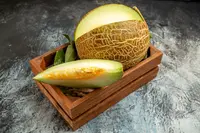
Conomon melons are traditionally harvested while still immature, when the rind is firm and the flesh is crisp and mildly flavored, making them better suited to pickling than to fresh dessert use.

Origins In East Asia

This melon variety is thought to have been domesticated in East Asia, especially Japan and China, where it has long been grown for salted, fermented, and vinegar pickles rather than for sweet fruit.

Low Sugar, High Crunch

Compared with dessert melons, conomon types accumulate much less sugar in the flesh and maintain a dense, crunchy texture that holds up well to brining and lactic acid fermentation.

Botan icon

Did you know?

In Japan, conomon-type melons have been cultivated for centuries as a distinct horticultural group used for tsukemono (traditional pickles), and historical records show that farmers selected them specifically for rind firmness and flavor stability during long fermentation rather than for sweetness.

FAQs about pickling melon

Yes, this species grows well in large containers if given a deep pot, rich well‑drained substrate, and strong support. Container culture warms the root zone, which often speeds up growth and simplifies how to take care of pickling melon.

Grow Healthy Plants with Botan Care

Keep your plants happy and healthy with plant identification, disease detection, and easy care guidance.

Botan plant care app — identify plants on mobile

Explore More Plants