Use Horizontal Netting
Lay sturdy netting or mesh on the soil surface and let vines grow over it so developing fruits stay clean, dry, and less prone to rot or pest damage from soil contact.

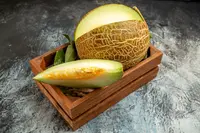
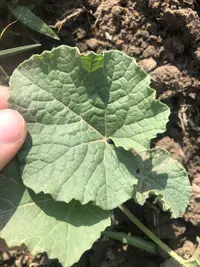
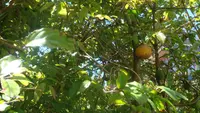
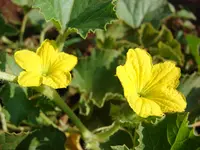
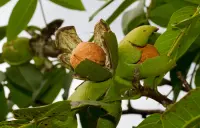
Honeydew melon, Cucumis melo var. inodorus, is a warm-season vining annual grown for its smooth-skinned, pale green, sweet fruit. The vigorous vines spread across the ground or along supports and produce rounded melons with firm, juicy flesh.
This cultivar group likely originated in West Asia and is now widely cultivated in warm and temperate regions around the world. It is moderately demanding, as it needs consistent warmth and a long growing season to set and ripen quality fruit.
Gardeners who want to care for Honeydew Melon should provide full sun, evenly moist but well-drained soil, and good airflow to limit disease problems. With suitable conditions, plants can be productive in home gardens and small-scale plantings.

Care Difficulty
Moderate Care

Light Preference
Full Sun

Water Requirements
Regular Water

Temperature Preference
Tropical / Frost Sensitive

Hardiness Zone
4–11

Soil Texture
Sandy, Loamy, Organic-rich

Soil pH
Acidic (5.5–6.5), Slightly acidic (6.5–7.0)

Soil Drainage
Moist but well-drained

Fertilization
Moderate (every 2–4 weeks)
Scan your plant to receive care tips personalized for your specific plant
Available on iOS and Android
Cucumis melo var. inodorus needs strong, direct sun outdoors to set sweet, full-sized fruit.
Cucumis melo var. inodorus prefers evenly moist, well-draining soil that never stays waterlogged.
Reliable flowering and fruiting require warm, frost-free conditions throughout the growing season.
This melon prefers moderately dry air and does not have strict humidity requirements outdoors.
This plant needs loose, deep, well‑drained soil that warms quickly in spring.
This species can be grown in containers if the pot is large, stable, and drains efficiently.
Cucumis melo var. inodorus benefits from steady nutrition during its fast warm-season growth.
Pruning Cucumis melo var. inodorus is useful for managing vine spread and improving fruit quality.
Honeydew-type melons are usually started in small pots or trays, then transplanted outdoors once conditions are warm and stable.
New Cucumis melo var. inodorus plants are almost always raised from seed for reliable growth and fruiting.
Cucumis melo var. inodorus is a tender annual and does not survive freezing winter conditions outdoors.

Plant Health Check
Not sure what's wrong with your plant? Check your plant's health inside the app.
Unlike many muskmelons, this melon group is characterized by very low volatile aroma production in the ripe fruit, so it smells mild but tastes distinctly sweet when fully mature.
These so-called winter melons were selected historically because their firm rind and relatively low respiration rate allow some cultivars to store well after harvest under cool, dry conditions.
Although often called muskmelons in trade, this group forms a separate inodorus cultivar group that includes honeydew, canary, and Piel de Sapo types, all sharing smooth or slightly netted rinds and non-musky, pale flesh.

Archaeobotanical evidence indicates that non-aromatic melons from the inodorus group were already cultivated and diversified around the Mediterranean Basin by classical antiquity, making them one of the longest-domesticated dessert melon lineages still widely eaten today.
Yellowing leaves usually come from nitrogen deficiency, overwatering, or root stress from compacted soil. Older leaves yellow first in normal aging. Check soil drainage, adjust watering, and use a balanced fertilizer if nutrient deficiency is suspected.
Keep your plants happy and healthy with plant identification, disease detection, and easy care guidance.