American climbing fern Care (Lygodium palmatum)

Also known as: Hartford fern, climbing fern
American climbing fern

About American climbing fern

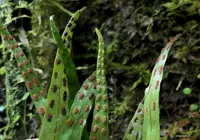
American climbing fern, Lygodium palmatum, is a deciduous fern with slender, twining fronds that climb over nearby supports instead of forming a single clump. Its fronds are divided into palm-shaped leaf segments, giving a delicate, lacy look that contrasts with many other native ferns. This species is native to moist, partially shaded woodlands and stream edges in eastern North America, where it grows in consistently damp, acidic soils. It can be somewhat challenging to maintain in cultivation because it dislikes drying out, abrupt environmental changes, and poor drainage. Gardeners who care for American climbing fern need to provide stable moisture, soft light, and protection from harsh exposure.

Main Plant Requirements

Care Difficulty

Hard Care

Light Preference

Partial Shade

Water Requirements

Keep Soil Moist

Temperature Preference

Cool Climate

Hardiness Zone

5–9

Soil Texture

Loamy, Silty, Organic-rich

Soil pH

Acidic (5.5–6.5), Slightly acidic (6.5–7.0)

Soil Drainage

Moist but well-drained

Fertilization

Minimal (feed rarely)

Get Personalized Care Plan

Scan your plant to receive care tips personalized for your specific plant

Available on iOS and Android

How to Care for the American climbing fern

This species prefers bright, indirect light that mimics an open woodland edge.

  • Provide 3–5 hours of gentle morning sun with dappled or filtered light for the rest of the day; avoid harsh afternoon sun that can scorch fronds.
  • Site American climbing fern in partial shade, such as north or east exposures, under high tree canopy, or beside taller shrubs that cast light shade.
  • In summer, increase shade during heat waves; in early spring and fall, slightly more direct morning light supports healthy frond development.

This fern needs consistently moist but not waterlogged soil, similar to a damp forest floor.

  • Water when the top 1–2 cm of soil or leaf litter feels just barely dry, aiming to keep the root zone evenly moist at all times.
  • Ensure soil drains freely yet holds moisture, using high-organic matter substrates; standing water or sour smells indicate poor drainage and risk of rot in Lygodium palmatum.
  • In hot, dry periods, increase watering frequency and monitor for drooping, crisping fronds (too dry); yellowing, mushy bases signal chronic overwatering.

This temperate fern prefers cool to mild conditions and does not handle climate extremes well.

  • Support active growth at 60–75°F (16–24°C); sustained temperatures above 82°F (28°C) can stress fronds, especially in full sun or low humidity.
  • Allow natural seasonal cooling; the plant tolerates short dips to about 20°F (-6°C) once established but repeated hard freezes may damage above-ground growth.
  • Protect from sudden spring frosts and extreme summer heat by using mulch, partial shade, and, if possible, shelter from hot, drying winds.

This fern needs consistently high humidity to grow well in cultivation.

  • Aim for 60–80% humidity, as American climbing fern naturally occurs in moist woodland and bog-edge habitats.
  • Dry indoor air below 50% causes crisping frond tips, pale new fronds, and slowed unfurling of climbing leaflets.
  • Increase humidity with grouped plants, a wide pebble tray kept wet under but not touching the pot, or a small cool-mist humidifier nearby.

This species prefers moist, loose, acidic soil that mimics a woodland edge or bog margin.

  • Use a fibrous, organic-rich mix such as 2 parts peat or coir, 1 part fine pine bark, and 1 part perlite for structure and air spaces.
  • Keep drainage moderate: the mix should stay evenly damp but never waterlogged, so water can move through while the surface does not crust or crack.
  • Target a slightly acidic pH of 5.0–6.0, avoiding lime or alkaline amendments that reduce micronutrient availability for Lygodium palmatum.
  • Avoid heavy clay, compacted, or sandy mixes that either hold stagnant water or dry out rapidly, and lightly loosen soil surface if it begins to seal.

This fern can be grown in containers if the pot supports its spreading, climbing habit and constant moisture.

  • Choose a broad, stable container to support vertical supports or a small trellis without tipping as fronds elongate and climb.
  • Select a pot material with moderate moisture retention, such as glazed ceramic or thick plastic, to reduce rapid drying between waterings.
  • Use a deep saucer only as a brief runoff catch; discard collected water quickly so the lower root zone does not sit submerged.

This native fern needs only light feeding, especially when grown in lean, woodland-type soils.

  • Use a balanced, dilute liquid fertilizer (around 10-10-10) at 1/4–1/2 strength during active growth in spring and early summer.
  • Apply every 4–6 weeks if soil is poor; skip feeding in rich, humusy beds.
  • Stop fertilizing American climbing fern in late summer and do not feed during winter dormancy.
  • Avoid high-salt synthetic products and always water before and after feeding to prevent root burn.

Pruning for Lygodium palmatum focuses on tidying and maintaining safe, manageable growth.

  • Best time is late winter to very early spring, before strong new growth begins.
  • Cut back dead, damaged, or diseased fronds at the base using clean, sharp hand pruners.
  • Thin crowded, tangled vines to improve air flow and reduce fungal issues.
  • Guide or shorten overly long stems to control spread and keep the plant within its support structure.

This fern is more often transplanted outdoors than grown long term in containers.

  • Transplant in early spring or early fall when temperatures are mild and soil is moist.
  • Look for slow growth, roots circling in the pot, or rapid drying soil as signs a container plant needs more space.
  • Move into a slightly larger container or new site with acidic, humus-rich, consistently moist soil.
  • Handle roots gently, keep the original soil ball intact, water thoroughly, and shade for several days to reduce transplant stress.

Multiplying Lygodium palmatum is possible but slow and best suited to patient, careful growers.

  • Spore propagation is the primary method; collect mature spores and sow on sterile, finely textured, moist medium.
  • Maintain high humidity, gentle bottom warmth around 70°F, and bright, indirect light for germination.
  • Allow heart-shaped gametophytes to develop, then keep conditions steadily moist so young sporophyte ferns can form.
  • Division of small clumps in early spring is sometimes possible but should be done carefully to avoid root damage.

This fern is cold hardy across much of its native range but benefits from some winter root protection in colder areas.

  • Dormant crowns usually tolerate freezing, but prolonged deep freezes can stress shallow roots.
  • Apply a 5–8 cm layer of leaf mold or bark mulch around the root zone after ground cools.
  • Leave dead fronds in place over winter in very cold sites to add extra insulation, then remove in early spring.
  • Move container-grown plants into a cold, frost-free shelter and keep soil just barely moist.

Care Tips

Provide climbing mesh

Install a fine plastic or galvanized wire mesh panel behind the plant so the fronds can twine naturally, keeping them off the ground and reducing rot and slug damage.

Use shaded mulch

Apply a 3–5 cm layer of fine bark or leaf mold around but not against the crown to keep roots cool, buffer moisture, and suppress weeds that compete with the fern.

Monitor rhizome spread

Check the creeping rhizomes yearly and gently redirect or thin out new crowns with a sharp knife to prevent overcrowding and maintain good air flow between plants.

Cool root management

In hot summers, keep the root zone cool by adding a flat stone or stepping-stone near the base, which shades the soil surface and reduces moisture loss.

Winter site marking

Mark the planting site with a durable tag or stake in late fall so dormant crowns are not disturbed during winter cleanup or early spring digging when caring for American climbing fern.

Common Pests and Diseases

Scale insects

This pest attaches to fronds and stems, sucking sap and causing yellowing, stunting, and gradual decline of the vine-like fronds.

Solution

Remove localized infestations by gently scraping insects off with a cotton swab dipped in isopropyl alcohol, then rinse fronds with lukewarm water; in heavier cases, use a horticultural oil spray labeled for ferns, applied thoroughly to both sides of the fronds and repeated according to label directions while also improving air circulation and avoiding overfertilizing, which can attract more scale.

Aphids

These insects cluster on tender new frond tips and leaflet margins, feeding on sap and causing distortion, curling, and sticky honeydew that can lead to sooty mold growth.

Solution

Dislodge colonies by spraying the fern with a firm stream of water, then, if needed, apply insecticidal soap to all green tissue, repeating every 5–7 days until no new aphids appear, and manage nearby weeds or lush growth that can act as reservoirs when growing American climbing fern outdoors.

Fern rust

This disease produces orange-brown pustules on the undersides of fronds, leading to yellow patches, premature browning, and early frond drop in humid, crowded conditions.

Solution

Cut and remove infected fronds at the base to reduce spore spread, avoid overhead watering, improve spacing and airflow around the plant, and in persistent cases use a labeled fungicide for ferns, applied preventively to new fronds during warm, humid periods.

Leaf spot

This disease causes small brown or black spots on leaflets that may coalesce into larger dead patches, often starting on older fronds under prolonged leaf wetness or poor air movement.

Solution

Prune out and dispose of affected fronds, water at soil level rather than over the foliage, increase airflow by thinning dense growth, and, if spotting continues to spread, apply a broad-spectrum fungicide suitable for ferns following label directions and monitoring new growth for improvement.

Interesting Facts

Climbing leaf rachis

Instead of twining stems, this fern climbs by using its leaf stalks (rachises), which continue to grow from the tips and wrap around nearby supports such as shrubs or tall herbs.

Only native climbing fern

It is the only species of Lygodium native to North America, making it a biogeographic outlier compared with related climbing ferns that are mostly tropical or subtropical.

Conservation concern status

This species has declined across much of its range due to habitat loss and is listed as rare, threatened, or endangered in several U.S. states, especially where acidic, seasonally moist woodland habitats have been altered.
Botan icon

Did you know?

Unlike many ferns that produce discrete fertile fronds, this species bears its sporangia along the margins of specialized, highly divided leaf segments that form a distinct, lacy fertile region on the same extended leaf that continues to climb over time.

FAQs about American climbing fern

Brown tips or fronds usually result from low humidity, soil drying out too much, or excess direct sun. Check soil moisture, raise humidity, and move the plant away from harsh light or heat sources.

Grow Healthy Plants with Botan Care

Keep your plants happy and healthy with plant identification, disease detection, and easy care guidance.

Botan plant care app — identify plants on mobile

Explore More Plants