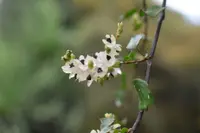
Japanese climbing fern Care (Lygodium japonicum)

Japanese climbing fern

About Japanese climbing fern

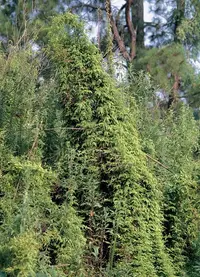
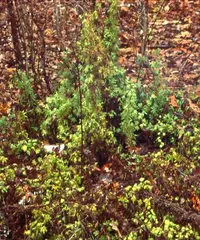
Japanese climbing fern, Lygodium japonicum, is a twining fern known for its slender, vine-like fronds that can climb over shrubs, fences, and trees. It has delicate, finely divided leaflets that give it a soft, lacy appearance.

This species is native to eastern Asia but has naturalized in parts of the southeastern United States, where it can spread aggressively outdoors. Its climbing habit and rapid growth make it visually striking but harder to control in warm, humid climates.

It prefers consistently moist, well-drained soil and sheltered, partially shaded spots. Understanding how to care for Japanese climbing fern starts with recognizing its fast growth and need for regular management, especially in mild, frost-free regions.


Main Plant Requirements

Care Difficulty

Moderate Care

Light Preference

Partial Shade

Water Requirements

Keep Soil Moist

Temperature Preference

Warm Climate

Hardiness Zone

7–10

Soil Texture

Loamy, Silty, Organic-rich

Soil pH

Acidic (5.5–6.5), Slightly acidic (6.5–7.0)

Soil Drainage

Moist but well-drained

Fertilization

Minimal (feed rarely)

Get Personalized Care Plan

Scan your plant to receive care tips personalized for your specific plant

Available on iOS and Android

How to Care for the Japanese climbing fern

This fern prefers bright, gentle light similar to a forest edge.

  • Provide 3–5 hours of early morning or late-afternoon sun with dappled or filtered light through the rest of the day for Japanese climbing fern.
  • Site plants in partial shade; strong midday sun, especially in summer, can scorch fronds and dry soil too quickly.
  • In hotter climates, choose eastern or northern exposures, and increase shade in summer while allowing more light in cooler seasons to support growth.

This species prefers consistently moist but not waterlogged soil.

  • Aim for evenly damp soil; allow only the top 1–2 cm to start drying before the next thorough watering, especially during active growth.
  • Use soil with good drainage near the root zone; soggy or foul-smelling soil, yellowing fronds, or soft rhizomes indicate overwatering.
  • Crisp, browning frond tips or curling leaflets signal underwatering; during cooler seasons reduce frequency, but avoid letting the soil fully dry around Lygodium japonicum.

This fern thrives in warm, frost-free conditions typical of subtropical to warm-temperate climates.

  • Optimal growth occurs around 65–80°F (18–27°C), with steady, moderate temperatures promoting continuous frond expansion.
  • It tolerates brief dips to about 40°F (4–5°C), but repeated exposure near this level slows growth and can damage tender fronds.
  • Avoid frost and hard freezes below 32°F (0°C), and protect from extreme heat above 90°F (32°C) with extra shade and higher humidity to limit stress.

This species prefers consistently moist air and reacts quickly to dry indoor conditions.

  • Aim for 60–80% humidity; growth often declines when air stays below 40%.
  • Crisping leaflet tips and increased leaf drop indicate humidity stress rather than underwatering.
  • Use a wide pebble tray under the pot or group plants closely to raise humidity around Japanese climbing fern.

This fern needs evenly moist, loose soil that never becomes compacted or waterlogged.

  • Use a rich, loamy mix with high organic matter, such as 50% peat or coco coir, 30% compost, and 20% perlite or fine bark.
  • Ensure drainage is free but not fast-draining; soil should stay damp yet feel springy and airy when squeezed.
  • Aim for slightly acidic to neutral pH, roughly 5.5–7.0, which supports nutrient uptake and root health in Lygodium japonicum.
  • Avoid heavy clay, pure sand, or mixes with large unbroken bark chunks that cause either water stagnation or rapid drying.

This species adapts well to container growing if the pot supports its climbing habit and moisture needs.

  • Choose a wide, moderately deep container to allow spreading rhizomes and to reduce rapid drying of the root zone.
  • Anchor a trellis or vertical support firmly in the pot so the vine-like fronds do not pull the container off balance.
  • Select heavier materials such as ceramic or clay for outdoor use to stabilize the pot against wind as the plant gains height.

Japanese climbing fern benefits from light, balanced feeding but performs well in reasonably fertile soil.

  • Use a balanced liquid fertilizer (for example 10-10-10) at 1/4–1/2 strength for container or intensively grown plants.
  • Feed every 4–6 weeks during the growing season if growth is weak or soil is poor.
  • Reduce or stop feeding in fall and winter when growth slows or fronds die back.
  • In-ground plants in rich soil often need no more than an annual surface dressing of compost.

Pruning Lygodium japonicum focuses on controlling spread and maintaining healthy fronds.

  • Trim back dead, browned, or storm-damaged fronds at any time using clean, sharp scissors or pruning shears.
  • In late winter or early spring, remove weak, crowded, or misplaced fronds to keep growth contained.
  • Cut fertile, spore-bearing fronds before they mature if limiting self-seeding and spread is a priority.
  • Dispose of removed material in the trash, not compost, to reduce unwanted colonization.

Transplanting or repotting this twining fern aims to manage spread and refresh crowded roots.

  • Look for roots circling the pot, water running straight through, or slowed growth as cues to move Lygodium japonicum.
  • Plan repotting or garden transplanting for early spring, just as new growth starts, to limit stress.
  • Repot only every 2–3 years, shifting to a container 2–5 cm wider, with moisture-retentive but well-drained mix.
  • Handle roots gently, keep the rhizome at the same depth, water thoroughly, and shade for several days after moving.

Lygodium japonicum is commonly propagated by spores and sometimes by division in managed settings.

  • Collect mature brown spore-bearing fronds, tap spores onto sterile, moist peat-based mix, and cover to maintain humidity.
  • Keep spore trays warm at 70–75°F in bright, indirect light until green prothalli form and young ferns develop.
  • For division in early spring, lift clumps, cut sections with healthy rhizome and fronds, and replant promptly.
  • Maintain consistently moist, not waterlogged, substrate and high humidity to support establishment.

Winter care depends on climate, as this fern is only moderately cold tolerant.

  • In mild climates, dormant crowns usually overwinter outdoors, though fronds may die back after light frosts.
  • In colder regions, apply 5–8 cm of loose mulch over the root zone after hard frost to insulate the rhizomes.
  • Move container plants indoors to a cool, bright, frost-free spot and keep the soil lightly moist, not wet.
  • Remove winter mulch gradually in spring once consistent above-freezing temperatures return.

Care Tips

Provide Climbing Support

Install fine trellis mesh, wires, or netting with 5–10 cm spacing so the fronds can twine naturally, and periodically guide new growth by gently looping young fronds onto the support instead of letting them sprawl on the ground.

Contain Rhizome Spread

Plant into a large container or use an in-ground root barrier 30–40 cm deep to limit underground rhizome spread, and inspect the perimeter yearly to remove any escaping shoots before they naturalize into surrounding areas.

Control Spores Proactively

Before fertile fronds release spores, cut and dispose of them in sealed bags rather than composting, which reduces unwanted self-seeding and simplifies caring for Japanese climbing fern in mixed plantings.

Monitor For Mites

Check the undersides of fronds every 1–2 weeks during hot, dry weather for fine webbing or stippling, and if present, rinse foliage thoroughly with a strong but gentle water spray and increase humidity to discourage spider mites.

Renew Old Fronds

Every late winter or early spring, remove browned, tattered, or weak fronds at the base to stimulate fresh growth and maintain better air flow through the plant, which lowers the risk of fungal issues in the new season.

Common Pests and Diseases

Fern aphids

This pest commonly colonizes the tender frond tips and undersides, sucking sap and causing distortion and yellowing of young growth.

Solution

Prune and discard heavily infested fronds, then wash remaining foliage thoroughly with a strong but gentle stream of water and repeat weekly; if needed, apply insecticidal soap or a light horticultural oil, ensuring full coverage of leaf undersides while avoiding applications in direct sun or high heat.

Scale insects

These insects attach along stems and rachises of the climbing fronds, appearing as small, fixed bumps that cause gradual yellowing and decline.

Solution

Physically scrape or wipe off individual scales with a cotton swab dipped in isopropyl alcohol, then follow with 2–3 rounds of horticultural oil at 7–10 day intervals to smother remaining crawlers, monitoring new fronds closely for reinfestation.

Spider mites

This pest becomes a problem in hot, dry sites, causing fine stippling, dull fronds, and light webbing between leaf segments.

Solution

Increase humidity and hose down both sides of the fronds regularly, then use insecticidal soap or a miticide labeled for ferns on all plant surfaces, repeating applications as directed until new growth appears clean and unblemished.

Leaf spot

This disease produces small brown to black lesions on fronds that may merge into larger dead patches, especially in crowded, persistently damp foliage.

Solution

Remove and dispose of affected fronds, reduce overhead watering, and improve air movement around the vine; if spots continue to spread, use a fern-safe fungicide and apply according to label directions, focusing on new and emerging fronds.

Interesting Facts

Climbing by twining fronds

Unlike most ferns that climb with roots or rhizomes, this species climbs using its fronds, whose rachis (the main leaf axis) twines around supports like a vine and keeps extending from the tip as it grows.

Ever-growing leaf segments

Its fronds are indeterminate, meaning the growing tip can continue to produce new pinnae (leaflets) as long as conditions are favorable, creating very long, highly flexible foliage strands in suitable climates.

Wind-dispersed invader

In parts of the southeastern United States, this species has become an invasive plant, spreading rapidly because its light spores travel long distances on wind currents and establish in disturbed or open habitats.

Botan icon

Did you know?

In pine forests of the southeastern United States, this fern can form dense vertical and horizontal mats that climb trees and understory shrubs, altering fire behavior by acting as a ladder fuel that carries ground fires into the canopy.

FAQs about Japanese climbing fern

This species spreads vigorously by spores and creeping rhizomes, especially in warm, humid climates. In many southeastern US states it is considered invasive and can smother other vegetation, so strict containment and regular cutting back are essential.

Grow Healthy Plants with Botan Care

Keep your plants happy and healthy with plant identification, disease detection, and easy care guidance.

Botan plant care app — identify plants on mobile

Explore More Plants