Mounting on Slabs
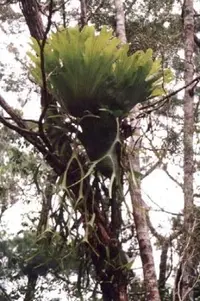
Mount the rhizomes on cork bark or hardwood slabs using nylon fishing line or plant-safe wire so the fronds can arch naturally and excess water drains quickly from the roots.

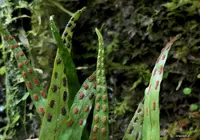
Starscale fern, Pleopeltis astrolepis, is a small epiphytic fern that naturally clings to tree trunks and rocks in tropical and subtropical forests of the Americas. It forms low, creeping mats of narrow fronds covered with tiny star-like scales, which give the plant its distinctive texture and muted, silvery-green look.
In cultivation it is usually grown mounted or in loose, well-drained substrate that mimics bark and leaf litter. It prefers stable warmth, moderate humidity, and gentle air movement, which can make it slightly more demanding than common houseplants. Those conditions are the main points to understand when learning how to care for starscale fern.

Care Difficulty
Moderate Care

Light Preference
Partial Shade

Water Requirements
Moderate Water

Temperature Preference
Warm Climate

Hardiness Zone
9–11

Soil Texture
Sandy, Loamy, Organic-rich

Soil pH
Acidic (5.5–6.5)

Soil Drainage
Moist but well-drained

Fertilization
Minimal (feed rarely)
Scan your plant to receive care tips personalized for your specific plant
Available on iOS and Android
This fern prefers bright, filtered light that mimics dappled woodland shade.
Watering should keep the root zone evenly moist but never saturated.
Stable, mild temperatures support steady growth and healthy fronds.
This fern prefers consistently moist air and reacts quickly to very dry indoor conditions.
Provide a loose, humus-rich, fast-draining mix that mimics this fern’s natural epiphytic habitats.
This species adapts well to containers when its shallow, creeping rhizomes are considered.
This epiphytic fern grows on low-nutrient substrates, so fertilizing should stay light and infrequent for healthy fronds.
Pruning Pleopeltis astrolepis focuses on hygiene and light shaping rather than size control.
This fern is often grown mounted or in shallow containers, so transplanting is infrequent and should be gentle.
Pleopeltis astrolepis is most reliably propagated by division of its creeping rhizomes rather than from spores at home.
This fern prefers mild, frost-free conditions and needs protection in climates with cold winters.

Plant Health Check
Not sure what's wrong with your plant? Check your plant's health inside the app.
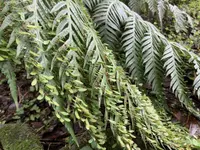
This fern has tiny, star-like scales on the upper surface of its fronds, which give it a slightly rough texture and the common name starscale fern. These scales help reduce water loss and may protect the fronds from excess light in exposed habitats.
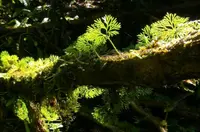
In its native range, this species often grows epiphytically on tree trunks and branches, but it can also anchor itself on rocks and cliff faces. Its creeping rhizomes form tight mats that trap organic debris, creating a small, self-made substrate.
This fern is naturally distributed from Mexico and the Caribbean through parts of Central and South America. It typically occurs in warm, humid forests, often in partially shaded sites with good air movement.

This species is considered relatively tolerant of brief drying compared with many other tropical ferns, and established rhizomes can survive short dry spells by relying on stored moisture and rapidly resume growth once humidity and rainfall increase.
Fronds typically brown from low humidity, underwatering, or excess direct sun. Older fronds also die naturally from the base over time. Trim fully brown fronds, improve humidity and watering consistency, and protect it from harsh sun exposure.
Keep your plants happy and healthy with plant identification, disease detection, and easy care guidance.