Rhizome surface check
Keep the creeping rhizomes just at or slightly above the substrate surface and remove any moss buildup so the fuzzy stems do not rot from being constantly buried and wet.

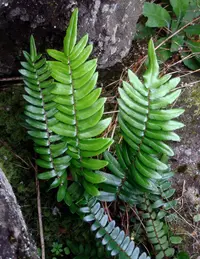
Hemionitis seticaulis is a compact, evergreen fern valued for its delicate, finely divided fronds and wiry, dark stems. It typically forms a low, graceful clump that suits small spaces and container culture.
This species is native to tropical regions, where it grows in humid, shaded forest habitats, often on moist, well-drained substrates. Its preference for consistent moisture, shelter from direct sun, and stable indoor conditions means it is moderately demanding compared with many common houseplants.
Those who want to learn how to care for Hemionitis seticaulis should be prepared to provide gentle, filtered light, evenly moist but not waterlogged soil, and good air humidity without cold drafts.

Care Difficulty
Moderate Care

Light Preference
Bright Indirect Light

Water Requirements
Keep Soil Moist

Temperature Preference
Tropical / Frost Sensitive

Hardiness Zone
11–12

Soil Texture
Loamy, Peaty, Organic-rich

Soil pH
Acidic (5.5–6.5), Slightly acidic (6.5–7.0)

Soil Drainage
Moist but well-drained

Fertilization
Light (every 4–6 weeks)
Scan your plant to receive care tips personalized for your specific plant
Available on iOS and Android
This fern prefers soft, filtered light that mimics a shaded forest floor.
Moist but not waterlogged soil is essential for this fern’s health.
Stable, mild temperatures support steady growth for this species.
This fern prefers consistently moist air and reacts quickly to dry indoor conditions.
Hemionitis seticaulis relies on loose, moisture-retentive yet airy soil around its fine roots.
This species grows well in containers when moisture and aeration are balanced in the pot.
This fern benefits from modest, steady nutrition during active growth but is sensitive to excess salts and strong feeds.
Pruning for this fern is minimal and focuses on hygiene rather than shaping.
This fern prefers a stable, slightly snug pot but still benefits from periodic repotting to refresh its substrate.
Propagation is possible but somewhat slow, usually done by careful division of established clumps.
This fern is frost-sensitive and needs mild, sheltered conditions to perform well in winter.

Plant Health Check
Not sure what's wrong with your plant? Check your plant's health inside the app.
This species is named for its distinctly bristly, wire-like stipes and rachises (leaf stalks), which are covered in stiff hairs that give the plant a rough, almost fuzzy texture on its supporting structures rather than on the leaf blades themselves.
In nature it often grows on moist rocks, cliffs, and tree bases in tropical forests, anchoring its roots into crevices and humus pockets rather than deep soil, which reflects its preference for constant moisture with excellent drainage in cultivation and informs many Hemionitis seticaulis care instructions.
Like several related ferns, it shows frond dimorphism, where fertile fronds bearing sporangia (spore structures) can differ subtly in shape and proportion from the mostly photosynthetic sterile fronds, creating a more complex and layered appearance in mature plants.
This fern suits indoor display because of its compact size and textured fronds. It does best in stable, humid rooms away from direct heat sources or drafts, making Hemionitis seticaulis indoor care relatively straightforward for most homes.
Keep your plants happy and healthy with plant identification, disease detection, and easy care guidance.