


Use mineral mulch
Top-dress the soil surface with a 1–2 cm layer of coarse grit, small lava rock, or pumice to keep pads dry at the base, reduce rot risk, and discourage weed growth around the plant.

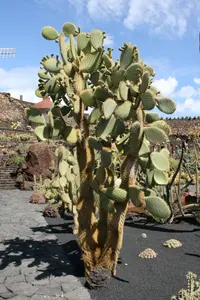
Opuntia galapageia, commonly called the Galápagos prickly pear, is a tree-forming cactus native to the Galápagos Islands. It often develops a thick trunk with flat, oval pads forming a broad canopy.
The pads carry spines and small glochids, and the plant produces yellowish flowers followed by fleshy fruits that feed many island animals. Its slow, sturdy growth and high drought tolerance make it a resilient plant where conditions are bright and dry.
In cultivation, it suits warm, sunny, low-rainfall climates and sharply drained, sandy or rocky soils. Those learning how to care for Galápagos Prickly Pear should focus on strong light, minimal watering, and avoiding frost.

Care Difficulty
Moderate Care

Light Preference
Full Sun

Water Requirements
Low Water

Temperature Preference
Tropical / Frost Sensitive

Hardiness Zone
12–13

Soil Texture
Sandy, Rocky, Loamy

Soil pH
Slightly acidic (6.5–7.0), Neutral (7.0)

Soil Drainage
Well-drained

Fertilization
Minimal (feed rarely)
Scan your plant to receive care tips personalized for your specific plant
Available on iOS and Android
This cactus thrives in strong sun that mimics its native Galápagos habitat.
This species is highly drought-tolerant and needs infrequent but thorough watering.
This cactus prefers warm, arid conditions with strong seasonal stability.
This cactus tolerates a wide humidity range and rarely needs special humidity management indoors.
Opuntia galapageia needs a very fast-draining, mineral-rich substrate that prevents waterlogging around its roots.
This species is suitable for container growing when planted in a stable, heavy pot with excellent drainage.
This drought-adapted cactus needs only light feeding in cultivation, similar to its low-nutrient native habitat.
Pruning for this species is mainly structural and hygienic, rather than a frequent grooming task.
Transplanting is uncommon but sometimes needed when plants outgrow their space or containers become rootbound.
This cactus is commonly propagated from pads, with seeds used mainly for conservation or breeding work.
This species prefers mild, dry winters and suffers in prolonged freezes or wet, cold soils.

Plant Health Check
Not sure what's wrong with your plant? Check your plant's health inside the app.
This cactus forms distinct island populations in the Galápagos, with some populations developing tall, tree-like trunks while others remain low and shrubby, reflecting local differences in herbivory and climate.
On islands with giant tortoises, many individuals have developed taller trunks and fewer low pads, an example of co-evolution where plant architecture responds to intense grazing pressure over long timescales.
Its dense pads and spines create shelter and perches for finches, doves, and reptiles, while fallen fruits and pads provide an important food source that shapes local animal communities on several Galápagos islands.

Some populations of this cactus grow on bare, recent lava flows, where their roots exploit tiny rock fractures, helping trap organic matter and gradually build the first thin soils that allow other plant species to establish.
This species performs best outdoors in full sun, sharp drainage, and warm, dry conditions. Indoors, growth is slower and shape often becomes distorted. Galápagos Prickly Pear indoor care is possible only with very bright light and a fast-draining cactus mix.
Keep your plants happy and healthy with plant identification, disease detection, and easy care guidance.


kingcup cactus
Echinocereus triglochidiatus
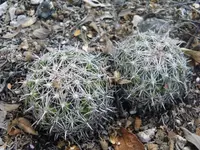
Coryphantha delicata
Coryphantha delicata
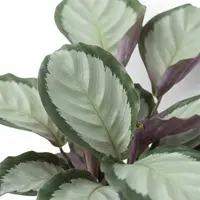
Goeppertia picturata 'Argentea'
Goeppertia picturata 'Argentea'
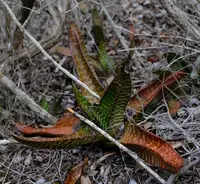
Bredasdorp Gasteria
Gasteria carinata var. carinata
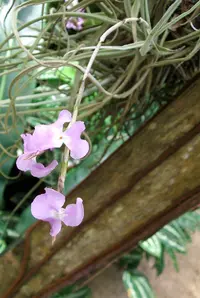
Tillandsia streptocarpa
Tillandsia streptocarpa
 POPULAR
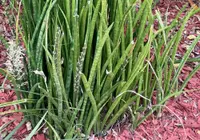
Cylindrical snake plant
Dracaena angolensis
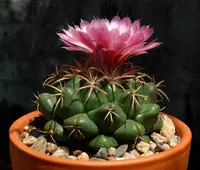
Elephant's Tooth
Coryphantha elephantidens
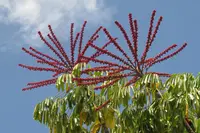
Australian Umbrella Tree
Heptapleurum actinophyllum