kingcup cactus Care (Echinocereus triglochidiatus)

Also known as: Claretcup Hedgehog, Mound Hedgehog Cactus, Mojave Mound Cactus, Claret-cup Hedgehog Cactus, Claretcup Cactus, Claretcup Echinocereus, Crimson Hedgehog Cactus
kingcup cactus

About kingcup cactus

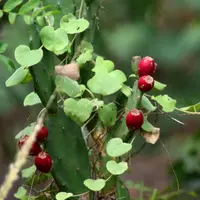
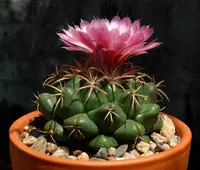
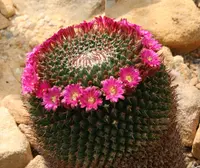
The kingcup cactus, Echinocereus triglochidiatus, is a compact, clump-forming cactus known for its bright red, tubular flowers and dense spines. Stems are usually cylindrical and ribbed, forming low mounds over time.

This species is native to arid and rocky regions of the southwestern United States and northern Mexico, where it grows in full sun and very well-drained soils. It is drought-tolerant and slow-growing, which helps make it relatively low-maintenance for those who learn how to care for kingcup cactus.

It prefers bright light, minimal moisture, and gritty, fast-draining soil, and it generally adapts well to container culture in dry indoor or outdoor settings.

Main Plant Requirements

Care Difficulty

Easy Care

Light Preference

Full Sun

Water Requirements

Low Water

Temperature Preference

Cold Hardy

Hardiness Zone

4–9

Soil Texture

Sandy, Loamy, Rocky

Soil pH

Slightly acidic (6.5–7.0), Neutral (7.0)

Soil Drainage

Well-drained

Fertilization

Minimal (feed rarely)

Get Personalized Care Plan

Scan your plant to receive care tips personalized for your specific plant

Available on iOS and Android

How to Care for the kingcup cactus

This desert cactus needs strong light to stay compact and flower well.

  • Provide 6–10 hours of direct sun daily; full sun is ideal in open, arid sites where kingcup cactus naturally grows.
  • In very hot regions, give early morning to early afternoon sun and light afternoon shade to prevent scorching on thin, new growth.
  • Outdoors, choose an unobstructed south- or west-facing exposure; in cloudy climates, prioritize the brightest, least-shaded spot year-round.

This species is highly drought-tolerant and prefers thorough but infrequent watering.

  • Water only when the top 3–5 cm of soil are completely dry; in hot, dry weather this may be every 1–3 weeks, less often in cool periods.
  • Use very fast-draining, gritty soil; water until it runs through, then discard any excess to avoid root rot and splitting stems.
  • Signs of overwatering include yellowing, soft, or blackened tissue, while deep wrinkling and dull, shriveled stems indicate it is time to water.

This cactus thrives in hot, dry conditions but has notable cold tolerance when kept dry.

  • Aim for 70–90°F (21–32°C) during active growth, with cooler, drier conditions in winter rest.
  • Mature plants can survive down to about 10–15°F (-12 to -9°C) if soil is very well drained and kept dry, but flowers and new growth are less hardy.
  • Tolerates intense summer heat above 100°F (38°C) if airflow is good and soil does not stay wet, but protect from sudden, hard frost when moist.

This cactus prefers dry air and does not need increased humidity.

This cactus needs a very fast-draining, mineral-rich substrate that dries quickly after watering.

  • Use a sandy or gritty mix with 50–70% inorganic material such as pumice, coarse perlite, or crushed granite.
  • Combine cactus potting mix with coarse sand or small gravel to improve aeration and prevent water retention around the roots.
  • Aim for slightly acidic to neutral pH, around 6.0–7.0, avoiding strongly alkaline or salty substrates.
  • Avoid peat-heavy, compact, or clay-based soils that stay wet, as these promote root and stem rot in Echinocereus triglochidiatus.

This species is well suited to container growing when drainage and stability are prioritized.

  • Choose a wide, shallow pot that matches the shallow root system and allows natural clumping without crowding the edges.
  • Use a heavy clay or ceramic pot to counterbalance the spreading, sometimes top-heavy stems and reduce tipping outdoors.
  • Raise the container slightly on feet or bricks so water can drain freely from the holes and not pool under the base.

This desert cactus needs only light feeding to support flowering and steady growth in containers.

  • Use a dilute, low-nitrogen balanced cactus fertilizer (around 5-10-10) or a general balanced NPK at 1/4–1/2 strength.
  • Feed potted kingcup cactus once a month during spring and early summer, after thoroughly watering the soil.
  • Do not apply fertilizer in late fall or winter, when growth is dormant or very slow.
  • Avoid rich compost or frequent feeding, which encourages soft, weak growth prone to rot.

Pruning needs for Echinocereus triglochidiatus are minimal and mostly sanitary.

  • Best time is late spring after flowering, so spent blooms and damaged tissue are easy to see.
  • Remove only dead, diseased, frost-damaged, or collapsed stems with clean, sharp pruners and thick gloves.
  • Trim crowded or rubbing stems sparingly to improve airflow and reduce rot risk while keeping the plant’s natural clumping habit.
  • Disinfect tools before and after cutting to limit disease spread through succulent tissues.

This clumping cactus prefers to stay undisturbed and is repotted or transplanted only when clearly needed.

  • Consider repotting or transplanting when roots circle the pot, drain holes clog with roots, or growth and flowering decline.
  • Plan moves for late spring, once frost danger has passed and Echinocereus triglochidiatus is starting active growth.
  • Expect container plants to need a larger pot about every 3–5 years, using a gritty, fast-draining cactus mix.
  • Handle the root ball gently, keep roots intact, and avoid watering for 3–5 days after transplanting to let any wounds callus.

This species is commonly propagated by offsets and seed, depending on whether an identical clone or genetic diversity is desired.

  • In late spring or early summer, gently detach well-formed offsets with clean tools, keeping a small section of base attached.
  • Allow cut surfaces to dry and callus for several days, then place offsets on slightly moist, gritty cactus mix in bright, indirect light.
  • For seeds, sow on the surface of sterile, fine, well-draining mix and keep at 68–77°F with bright, indirect light.
  • Maintain lightly moist, never wet, conditions until roots establish, then gradually transition to standard Echinocereus triglochidiatus care.

This cactus is relatively cold hardy but still benefits from thoughtful winter management, especially in wet or very cold climates.

  • Established in-ground plants often tolerate brief drops below freezing if soil drains very sharply.
  • In regions with wet winters, use gravel or rock mulch around the crown to keep the base dry and reduce rot risk.
  • Move container plants under cover or indoors to a bright, cool, very dry spot when prolonged hard frost is forecast.
  • Water very sparingly in winter, just enough to prevent severe shriveling, then resume normal watering in spring.

Care Tips

Rocky root zone

Plant in a shallow, rocky mound or add a wide collar of coarse gravel around the base to keep the crown dry and reduce rot risk during heavy rain or irrigation.

South-facing heat trap

In cooler regions, place plants near a south-facing wall or large rock that absorbs heat by day and releases it at night to extend the active growing season and improve flowering.

Minimal organic mulch

Avoid standard wood mulches and instead use a 2–5 cm layer of mineral mulch such as pumice, gravel, or decomposed granite to stabilize soil temperature while keeping the stem dry.

Cold-and-wet protection

In climates with cold, wet winters, set up a simple rain cover or clear cloche over the plant from late fall to early spring so roots stay dry even when air temperatures drop below freezing.

Cluster division timing

If offsets need to be separated, divide mature clumps only in late spring, allow cut surfaces to dry for 5–7 days, then replant in barely moist grit to reduce infection and support stable growing kingcup cactus.

Common Pests and Diseases

Cochineal scale

This pest appears as white, cottony clusters tucked into spine bases and along rib crevices, often with red staining when crushed. Symptoms include slow growth, yellowing tissue around feeding sites, and sticky residue that can attract sooty mold.

Solution

Isolate the plant, then dislodge insects with a strong stream of water or by brushing with a soft brush dipped in diluted rubbing alcohol (1:1 with water), taking care not to saturate the root zone. Repeat treatments weekly until no new scale appears, and reduce crowding to improve air movement around the cactus.

Spider mites

These insects are tiny and often invisible to the eye, but cause pale stippling, dulling of the stem surface, and fine webbing between spines, especially in hot, dry indoor or greenhouse conditions. Symptoms include a general faded look to the green tissue and slowed growth.

Solution

Rinse stems thoroughly with lukewarm water, focusing on rib grooves and areoles, then increase ambient humidity slightly without keeping the soil wet. For persistent infestations, apply insecticidal soap or a neem oil solution to the stems every 5–7 days, avoiding intense direct sun until the plant is dry to prevent scorch.

Red spider mite bronzing

This disease-like stress symptom results from chronic feeding by red spider mites, leading to a hard, bronzed, corky surface on older parts of the stems. Symptoms include permanent discoloration and roughening of the epidermis, with reduced flowering on heavily affected plants.

Solution

Remove the active mite population by repeated washing and targeted miticide or insecticidal soap applications, then move the plant to a slightly cooler, well-ventilated spot with good but not extreme dryness. Severely scarred segments can be left in place if firm, while future damage is prevented by regular monitoring and prompt mite control as part of Echinocereus triglochidiatus care instructions.

Fungal stem spots

This disease shows as small, sunken, dark or tan spots on the green stem surface that may slowly enlarge, sometimes following minor mechanical injury or hail damage in outdoor plants. Symptoms include localized softening or corky scabs that interrupt normal rib texture.

Solution

Cut out small, soft, infected areas with a sterile knife back to healthy, firm tissue, then let the wounds dry in bright, airy shade until a dry callus forms. Improve drainage, avoid overhead watering, and if the plant is grown in a wetter climate, use a very gritty mix and provide a rain shelter to limit repeated wetting of the stems.

Bacterial soft rot

This disease causes rapid softening and collapse of segments, often with a watery, foul-smelling interior that spreads quickly in warm, humid conditions. Symptoms include dark, mushy patches that enlarge from a wound or scar and may involve entire stems in a short time.

Solution

Immediately remove and discard all affected tissue by cutting well into healthy, firm stem with a sterile blade, then allow cut surfaces to dry and callus in a dry, shaded, well-ventilated area. Reduce watering drastically until new growth is firm, disinfect tools after use, and in climates with summer rainfall, grow Echinocereus triglochidiatus in very fast-draining, raised beds or containers to minimize prolonged moisture around wounded tissue.

Interesting Facts

Hummingbird-pollinated blooms

Its bright red, tubular flowers are specialized for hummingbird pollination, offering abundant nectar and a shape that fits the birds’ beaks while largely excluding most bee species.

Naturally spineless form

In some parts of its range, this cactus occurs as a relatively spineless form with few or very small spines, a trait that has led to its description as separate varieties and is of interest in taxonomy and horticulture.

Clonal mounding growth

Individual stems often spread by producing offsets at the base, forming dense clumps or mounds that can help stabilize poor, rocky soils on desert slopes.

Botan icon

Did you know?

In its native habitat of the southwestern United States and northern Mexico, this cactus often grows in association with pinyon-juniper woodlands and can exploit tiny rock crevices, where its deep, fibrous root system anchors it securely against erosion in exposed, high-elevation sites.

FAQs about kingcup cactus

Lack of flowering usually comes from insufficient winter chill, weak light, or a plant that is still immature. Cooler, drier winter rest and strong spring sun support bud formation and are central to Echinocereus triglochidiatus care.

Grow Healthy Plants with Botan Care

Keep your plants happy and healthy with plant identification, disease detection, and easy care guidance.

Botan plant care app — identify plants on mobile

Explore More Plants