Opuntia bonaerensis Care

Opuntia bonaerensis

About Opuntia bonaerensis

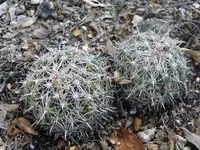
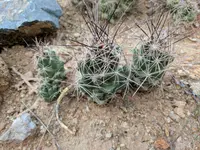
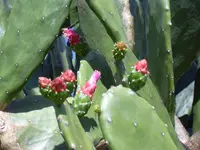
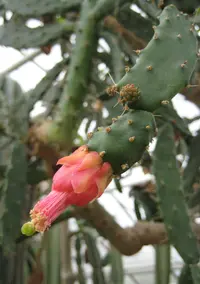
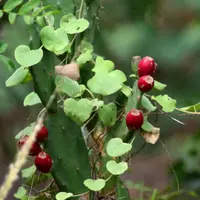
Opuntia bonaerensis is a small to medium-sized prickly pear cactus native to Argentina, typically forming clumps of flat, rounded pads with spines and tiny glochids. It has a sculptural, branching habit and may produce showy flowers followed by small, decorative fruits under suitable conditions.

This species is adapted to arid, sunny habitats and is valued as a low-water plant for dry gardens and containers. Its drought tolerance and slow to moderate growth rate usually make it straightforward for patient growers who understand how to care for Opuntia bonaerensis.

It prefers strong light, very well-drained, mineral-rich soil, and careful watering with thorough drying between waterings, which helps maintain firm pads and reduces rot risk.

Main Plant Requirements

Care Difficulty

Easy Care

Light Preference

Full Sun

Water Requirements

Low Water

Temperature Preference

Warm Climate

Hardiness Zone

9–11

Soil Texture

Sandy, Loamy, Rocky

Soil pH

Slightly acidic (6.5–7.0), Neutral (7.0)

Soil Drainage

Well-drained

Fertilization

Minimal (feed rarely)

Get Personalized Care Plan

Scan your plant to receive care tips personalized for your specific plant

Available on iOS and Android

How to Care for the Opuntia bonaerensis

This cactus favors strong sun but needs gradual acclimation outdoors to avoid burn.

  • Provide 6–8 hours of direct sun daily, ideally with morning sun and light afternoon shade in very hot, dry regions.
  • In cooler or coastal climates, Opuntia bonaerensis can handle full sun all day, but young pads scorch if moved suddenly from shade.
  • In winter, accept lower light but avoid dense shade; poor light causes elongated, weak pads and fewer flowers, so choose the brightest site available.

This species stores water in its pads and needs infrequent, thorough watering.

  • Outdoors in fast-draining soil, water only when the top 5–8 cm are completely dry; in hot, dry weather this may mean every 10–21 days.
  • Reduce watering sharply in fall and winter, giving just enough to prevent pads from shriveling, as cool, wet soil encourages root rot.
  • Watch for warning signs: soft, yellowing pads and a sour smell suggest overwatering, while deep wrinkling and pad collapse signal prolonged drought.

This cactus thrives in warm, dry conditions and dislikes prolonged cold or damp.

  • Aim for active growth temperatures of 70–90°F (21–32°C); brief dry heat up to 100°F (38°C) is tolerated if soil drains quickly.
  • Protect from frost; pads are often damaged below 28–30°F (-2 to -1°C), so use covers or move containers if hard freezes are expected.
  • In cooler regions, allow a cool, dry rest around 45–55°F (7–13°C) in winter to prevent rot and support healthy new growth next season.

This cactus tolerates a wide humidity range and rarely needs special humidity management indoors.

This species needs a very fast-draining, mineral-rich soil mix to prevent root rot and support steady growth.

  • Use a gritty, sandy mix such as 50–70% mineral components (pumice, coarse sand, fine gravel) with 30–50% cactus potting mix.
  • Ensure the structure stays loose and airy so water runs through in seconds, not minutes, after watering.
  • Aim for slightly acidic to neutral pH around 6.0–7.0, avoiding very acidic or strongly alkaline mixes.
  • Avoid heavy clay, peat-heavy, or compacted substrates that stay wet or form clods around the roots.

This species is suitable for container growing when the pot is chosen to match its shallow, spreading root system.

  • Use a wide, low container that allows pads to spread without making the pot unstable as the plant becomes heavier.
  • Choose unglazed terracotta if extra evaporation is needed, as it helps dry the mix faster after watering.
  • Add a top layer of coarse gravel to stabilize pads and reduce splashing that can compact the upper soil layer.

This drought-adapted cactus needs modest feeding to maintain steady growth in pots.

  • Use a diluted balanced liquid cactus fertilizer (around 10-10-10) or low-nitrogen succulent feed at 1/4–1/2 strength.
  • Apply every 4–6 weeks during active growth in spring and summer to container-grown Opuntia bonaerensis.
  • Avoid fertilizing in late fall and winter when growth slows or stops.
  • Flush the soil with plain water a few times each season to limit salt buildup.

Pruning is mainly for safety, size control, and plant health rather than for flowering.

  • Prune Opuntia bonaerensis in late spring or early summer, once the risk of frost has passed.
  • Remove dead, shriveled, storm-damaged, or crossing pads to reduce disease and improve airflow.
  • Use long-handled tongs and clean, sharp pruners or a knife; disinfect blades before and after use.
  • Cut pads cleanly at the joint to shape the plant and prevent top-heavy, leaning growth.

This species grows slowly in containers and prefers infrequent disturbance.

  • Repot only when roots circle the pot, drainage slows, or growth noticeably declines.
  • Plan repotting or outdoor transplanting for late spring, allowing warm conditions for recovery.
  • Typically move to a slightly larger pot every 3–4 years, using a gritty cactus mix with excellent drainage.
  • Minimize root disturbance, keep the root ball as intact as possible, and withhold water for 3–5 days afterward to reduce rot risk.

Propagation of Opuntia bonaerensis is usually done from pads rather than seed for faster results.

  • Take healthy, fully grown pads in late spring or early summer using clean, sharp tools and tongs.
  • Allow cut pads to callus in a dry, shaded place for 7–14 days until the wound is sealed.
  • Insert the callused end slightly into dry, coarse cactus mix and keep in bright, indirect light.
  • Begin very light watering only after roots form, then gradually increase as new growth appears.

This cactus tolerates brief light frosts when dry but benefits from basic winter precautions in colder regions.

  • Keep outdoor plants in sharply drained soil and avoid winter watering in cold, wet climates.
  • Mulch lightly with gravel or coarse sand around the base, not touching pads, to keep the crown dry.
  • Move containers indoors or to a cold greenhouse before temperatures drop below about 25°F.

Care Tips

Stabilize Heavy Pads

Anchor new pads by top-dressing the pot with a 2–3 cm layer of coarse gravel so the base is weighted and less likely to tip or snap in wind or accidental bumps.

Rotate For Even Cladodes

Turn the container by 90° every 2–3 weeks during active growth so pads develop evenly on all sides instead of leaning and stacking toward one direction.

Dry Handling Routine

When removing pads or checking for pests, work only on fully dry plants and tools to reduce the risk of fungal infection entering through fresh micro-wounds and cut surfaces.

Callus Before Replanting

After taking cuttings, allow the cut pads to dry in bright shade with airflow for 7–14 days until the cut edge forms a firm callus before planting to prevent rot when you grow Opuntia bonaerensis from segments.

Winter Light Boost

In low-light winters, move the plant to the brightest, coolest indoor window and, if needed, supplement with a small LED grow light to maintain compact pads and avoid weak, etiolated growth.

Common Pests and Diseases

Cochineal scale

This pest appears as white, cottony clusters on pads, often along areoles, and may stain fingers red when crushed due to carminic acid. Symptoms include yellowing pads, poor growth, and sticky residue attracting ants.

Solution

Remove heavily infested pads and dispose of them in the trash, then spray remaining pads with a strong jet of water to dislodge insects. For persistent infestations, dab individual clusters with isopropyl alcohol on a cotton swab or apply a horticultural soap or neem oil labeled for cacti, repeating every 7–10 days until new pads remain clean.

Cactus mealybugs

These insects hide in pad joints and under spines, forming white, waxy tufts and sucking plant sap, which weakens the cactus and can cause pad shriveling. Symptoms include distorted new pads and slow, stunted growth, especially on container plants and in sheltered outdoor sites.

Solution

Quarantine affected plants, then physically remove mealybugs with a cotton swab dipped in isopropyl alcohol and rinse off loose insects with a firm stream of water. For larger populations, use a systemic insecticide labeled for ornamental cacti or repeat applications of insecticidal soap, ensuring spray contacts hidden crevices and the base of spines.

Opuntia scab

This disease causes corky, brown to gray, slightly raised lesions on pads that may crack and merge, leaving rough, scarred areas. Symptoms include cosmetic damage, occasional pad deformation, and increased susceptibility to secondary infections where tissue is broken.

Solution

Prune and discard badly affected pads, sterilizing tools between cuts, and avoid overhead watering that keeps pads wet for long periods. Improve air movement around the plant, keep pads dry where possible, and protect from prolonged rain or heavy dew by providing cover; in severe cases, apply a copper-based fungicide labeled for cacti at the start of warm, wet weather.

Pad spot (phyllosticta leaf spot)

This disease produces small, circular, dark spots with pale or sunken centers on pads that can expand and coalesce, especially in humid, warm conditions. Symptoms include discolored, patchy pads that may eventually dry and form thin, brittle areas.

Solution

Remove and discard affected pads to reduce inoculum, and water at the base rather than over the pads to limit leaf wetness duration. Increase sun exposure within the plant’s tolerance and maintain good spacing; if spotting continues in wet climates, use a broad-spectrum fungicide labeled for ornamental cacti following the manufacturer’s intervals.

Nopale worm (cactus moth larvae)

These larvae tunnel inside pads, leaving small entry holes, frass, and sunken or collapsing segments as internal tissue is consumed. Symptoms include pads that look water-soaked or hollow, with darkened, rotten areas around feeding galleries.

Solution

Inspect plants regularly and cut off any pads showing entry holes, tunneling, or collapse, then seal and discard them in the trash to prevent moth emergence. Reduce night lighting near plants that may attract adult moths and avoid moving infested material to clean areas; in regions with known cactus moth problems, monitor local extension service alerts for additional control options on how to take care of Opuntia bonaerensis.

Interesting Facts

Buenos Aires native

This prickly pear is naturally distributed around Buenos Aires and parts of central-eastern Argentina, where it grows in open, sunny, often rocky or disturbed habitats in a temperate climate with warm summers and mild to cool winters.

Flattened, jointed segments

The plant forms a low, spreading shrub made of flattened, oval to oblong stem segments (cladodes) that function as both water storage and photosynthetic organs, an adaptation to seasonally dry conditions in its native range.

Showy yellow flowers

In suitable conditions it produces relatively large, bright yellow, diurnal flowers along the upper edges of the segments, which are followed by fleshy fruits typical of prickly pears that contribute to local wildlife food resources.

FAQs about Opuntia bonaerensis

Growth is generally slow to moderate. New pads usually appear during the warmer months, adding a few pads per year. In-ground plants in warm, dry climates tend to expand faster than those in cool or short-season areas.

Grow Healthy Plants with Botan Care

Keep your plants happy and healthy with plant identification, disease detection, and easy care guidance.

Botan plant care app — identify plants on mobile

Explore More Plants