


Use mineral mulch
Top-dress the soil surface with 1–2 cm of coarse gravel or pumice to keep pads dry at the base, reduce rot risk, and stabilize the plant in windy or exposed sites.

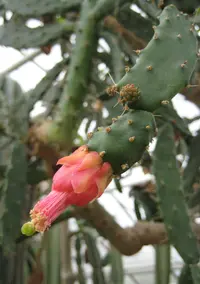
Opuntia dejecta is a shrubby cactus species in the prickly pear group, forming low, branching clumps of flattened pads. The pads are usually blue-green to gray-green and carry clusters of tiny, barbed bristles that detach easily.
This species is native to arid regions of Brazil, where it grows in dry, rocky habitats with intense sun. It produces showy flowers followed by fleshy fruits, typical of many Opuntia species.
Its drought tolerance and slow to moderate growth make it a relatively low-maintenance plant, as long as excess moisture is avoided. Those learning how to care for Opuntia dejecta should focus on strong light, a gritty, fast-draining soil, and cautious watering.

Care Difficulty
Easy Care

Light Preference
Full Sun

Water Requirements
Low Water

Temperature Preference
Warm Climate

Hardiness Zone
9–11

Soil Texture
Sandy, Loamy, Rocky

Soil pH
Slightly acidic (6.5–7.0), Neutral (7.0)

Soil Drainage
Well-drained

Fertilization
Minimal (feed rarely)
Scan your plant to receive care tips personalized for your specific plant
Available on iOS and Android
This cactus prefers strong sun but benefits from gradual acclimation outdoors.
This species is highly drought-tolerant and must dry well between waterings.
This cactus prefers warm, dry conditions and is sensitive to prolonged frost.
This cactus handles a wide humidity range and rarely needs special humidity management indoors.
Opuntia dejecta prefers very fast-draining, mineral-rich soil that dries quickly between waterings.
This species grows well in containers when the pot is set up to keep the root zone dry and stable.
This drought-tolerant cactus needs only light feeding to support steady growth in containers.
Pruning is mainly used to control size and remove damaged tissue on this segmented cactus.
Container-grown plants benefit from infrequent repotting into fresh, sharply draining soil.
New plants are most often produced from stem pads rather than from seed.
This species prefers dry, cool to mild winters and is sensitive to prolonged freezing and wet soil.

Plant Health Check
Not sure what's wrong with your plant? Check your plant's health inside the app.
This species is naturally restricted to rocky outcrops in parts of eastern Brazil, especially in the state of Bahia, where it grows in seasonally dry, open habitats exposed to intense sun and wind.
Its cladodes (flattened stem segments) are often elongated, somewhat twisted, and irregularly lobed, giving stands of plants a distinctive, shaggy appearance compared with the more regular pads of related Opuntia species.
Ongoing taxonomic and field studies have led to repeated reassessments of its conservation status, reflecting concern for small, fragmented populations affected by land-use change in its limited native range.
Poor flowering usually comes from insufficient light, lack of a cool, dry winter rest, or plants that are still immature. Avoid heavy fertilizing, especially high nitrogen, and keep pads healthy and unshaded to encourage flower bud formation.
Keep your plants happy and healthy with plant identification, disease detection, and easy care guidance.


Acanthocereus fosterianus
Acanthocereus fosterianus
Gasteria obliqua
Gasteria obliqua
cochineal nopal cactus
Opuntia cochenillifera
mitre aloe
Aloe perfoliata
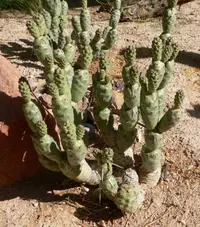
Pine Cone Cactus
Tephrocactus articulatus
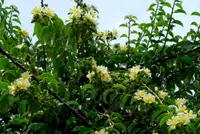
Barbados gooseberry
Pereskia aculeata
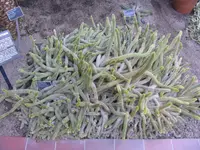
Cleistocactus baumannii
Cleistocactus baumannii

Acanthocereus oaxacensis
Acanthocereus oaxacensis