Nighttime ventilation
Provide good airflow at night by slightly opening a window or using a fan on low, which helps this night-active cactus exchange gases efficiently and reduces the risk of fungal issues in dense stems.


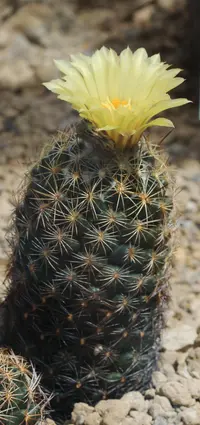
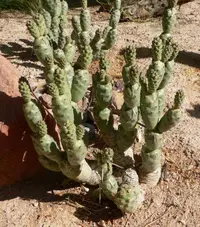
Acanthocereus fosterianus is a columnar cactus species, often grown as a climbing or sprawling plant with many-branched, angular stems. It may form dense, architectural clumps that suit large containers or greenhouse spaces.
This species is native to tropical regions of Central and South America, where it grows in sunny, dry habitats with sharply draining soils. Its drought tolerance and relatively fast growth make it straightforward to manage once basic needs are understood.
Light, airy soil, strong light, and careful watering habits are the main points to consider when learning how to care for Acanthocereus fosterianus.

Care Difficulty
Easy Care

Light Preference
Full Sun

Water Requirements
Low Water

Temperature Preference
Tropical / Frost Sensitive

Hardiness Zone
10–11

Soil Texture
Sandy, Loamy, Rocky

Soil pH
Slightly acidic (6.5–7.0), Neutral (7.0)

Soil Drainage
Well-drained

Fertilization
Minimal (feed rarely)
Scan your plant to receive care tips personalized for your specific plant
Available on iOS and Android
This cactus prefers strong light but benefits from gradual exposure to intense sun.
This species stores water in its stems and needs infrequent but thorough watering.
This cactus favors warm, arid conditions and has low tolerance for cold.
This cactus prefers dry indoor air and does not need elevated humidity.
This species needs a very fast-draining, mineral-rich substrate that dries quickly after watering.
This species is well suited to container growing when the pot is chosen for drainage and stability.
This cactus benefits from light, targeted feeding during the warm growing season to support steady stem growth.
Pruning is mainly used to manage size and remove damaged stems, rather than as a routine task for this cactus.
Container-grown plants need only infrequent repotting, mainly to refresh soil and give the roots slightly more space.
This species is commonly propagated from stem cuttings, which root reliably under warm, dry conditions.
This cactus is frost-sensitive and needs protection from freezing temperatures, especially in containers.

Plant Health Check
Not sure what's wrong with your plant? Check your plant's health inside the app.
This columnar cactus produces white, tubular flowers that open at night, an adaptation to attract nocturnal pollinators such as moths and possibly bats in its native range from Ecuador to Peru.
The species is naturally found in dry coastal forests and scrub along the Pacific coast of South America, where it tolerates high light, sandy or rocky soils, and long seasonal droughts.
Unlike many tall columnar cacti that stay mostly unbranched, this species tends to form multiple upright, green to bluish-green stems from the base, creating dense clumps under favorable conditions.
This species performs best outdoors in warm, frost‑free climates where it receives strong light and good air movement. In cooler regions it can be grown in containers and moved indoors for winter as long as light remains high.
Keep your plants happy and healthy with plant identification, disease detection, and easy care guidance.