Rhinoceros Cactus Care (Coryphantha cornifera)

Rhinoceros Cactus

About Rhinoceros Cactus

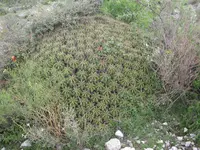
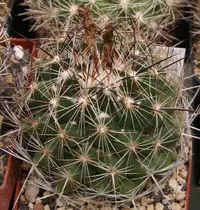
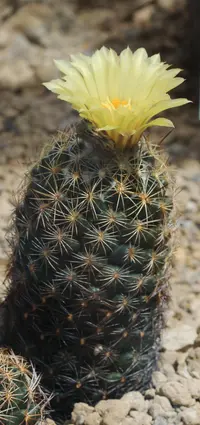
Coryphantha cornifera, commonly called rhinoceros cactus, is a small, globular cactus known for its prominent horn-like tubercles and dense spines. It usually stays compact, making it suitable for containers and small indoor displays.

This species is native to arid regions of central Mexico, where it grows in rocky, well-drained soils with intense sun and low rainfall. Its slow growth and drought tolerance make it relatively easy to keep alive, but it dislikes excess moisture and poor drainage.

With adequate light, a gritty soil mix, and careful watering, it is straightforward to care for Rhinoceros Cactus for many years in a home collection.

Main Plant Requirements

Care Difficulty

Moderate Care

Light Preference

Full Sun

Water Requirements

Low Water

Temperature Preference

Warm Climate

Hardiness Zone

9–11

Soil Texture

Sandy, Loamy, Rocky

Soil pH

Slightly acidic (6.5–7.0), Neutral (7.0)

Soil Drainage

Well-drained

Fertilization

Minimal (feed rarely)

Get Personalized Care Plan

Scan your plant to receive care tips personalized for your specific plant

Available on iOS and Android

How to Care for the Rhinoceros Cactus

This small desert cactus thrives with strong sun but benefits from some protection in very hot climates.

  • Provide 6–8 hours of direct morning to early afternoon sun; in very hot regions, give light shade or filtered light after 2–3 p.m.
  • Rhinoceros Cactus tolerates bright partial shade, but growth becomes slower and stems may stretch if light drops below about 4 hours of direct sun.
  • In summer, acclimate plants gradually when moving outdoors to prevent sunburn; in winter, prioritize the brightest available position to maintain compact growth.

Watering for Coryphantha cornifera should mimic arid, brief rains followed by thorough drying.

  • In the main growing season, water only when the top 3–5 cm of soil are completely dry, then soak the root zone and let excess drain away fully.
  • Use a very fast-draining mineral-rich mix; persistent dampness, soft yellowing tissue, or a sour smell signal overwatering and possible root rot.
  • In cool or winter periods, reduce watering sharply; slight wrinkling of the body is a normal sign it is ready for a careful, moderate drink.

This cactus prefers warm, dry conditions and is sensitive to prolonged cold and frost.

  • Optimal growth occurs at 70–85°F (21–29°C) during the day, with slightly cooler nights around 60–70°F (16–21°C).
  • Short exposures down to about 40°F (4°C) are tolerated if kept completely dry, but frost below 32°F (0°C) can scar or kill tissues.
  • In hot spells above 95°F (35°C), ensure strong air movement and some afternoon shade to limit heat stress, especially in reflected-sun sites.

This cactus prefers dry air and usually does best at 20–40% humidity.

  • Rhinoceros Cactus tolerates typical centrally heated indoor air without extra humidity measures.
  • Prolonged humidity above 50% can encourage rot, shown by soft, discolored stem tissue and a musty smell.
  • If air is very humid, increase air movement with a small fan and keep the plant away from bathrooms or unventilated kitchens.

This species needs a very fast-draining, mineral-based substrate to prevent root rot.

  • Use a gritty mix of about 50–70% inorganic material such as pumice, coarse sand, and small gravel, with 30–50% cactus potting mix.
  • Aim for slightly acidic to neutral pH around 6.0–7.0, which supports nutrient availability without encouraging rot organisms.
  • Improve aeration by avoiding fine peat-heavy mixes that compact; each watering should drain through the pot within seconds, not minutes.
  • For Coryphantha cornifera, avoid dense garden soil, clay, or moisture-retentive composts that stay wet for longer than 2–3 days.

This small cactus is very suitable for container growing.

  • Choose a pot only slightly wider than the plant to keep the root zone compact and drying evenly between waterings.
  • Select unglazed terracotta if extra evaporation is needed, as it helps prevent prolonged moisture around the roots.
  • Elevate the container on pot feet or a stand so drainage holes stay clear and excess water can escape rapidly.

Coryphantha cornifera needs only light feeding to support healthy growth in containers.

  • Use a low-dose balanced cactus fertilizer (for example 5-5-5 NPK) or very dilute liquid balanced feed at 1/4 strength.
  • Apply once every 4–6 weeks during spring–summer while actively growing, then stop feeding in fall–winter dormancy.
  • Ensure soil is already moist before feeding to avoid root burn, especially with Rhinoceros Cactus in small pots.
  • Avoid compost-rich mixes; use a gritty, lean cactus substrate and rely on sparse mineral feeding.

Pruning is minimal for Coryphantha cornifera and is mainly done for hygiene and safety.

  • Best timing is late spring to summer, when any mechanical damage heals fastest.
  • Remove only dead, diseased, or rotten tissue using small, sharp, disinfected scissors or a craft knife.
  • Trim off dried flower remains or moldy fruits to reduce fungal problems and keep the plant tidy.
  • Avoid cutting healthy stem tissue; pruning does not shape the plant and can leave long-lasting scars.

This cactus prefers to stay slightly root-bound, so repotting is infrequent but sometimes necessary.

  • Repot every 3–4 years or when roots circle the pot base, emerge from drainage holes, or growth slows despite good light.
  • Plan repotting for late spring, using a slightly wider pot and a very well-drained mineral cactus mix.
  • Stop watering 5–7 days before moving Coryphantha cornifera to let roots dry and reduce breakage risk.
  • After repotting, keep roots dry for 7–10 days, then resume light watering so any minor wounds callus before moisture returns.

Propagation of this species is most reliable from seed under controlled conditions.

  • Sow fresh seeds in late spring–early summer on the surface of a sterile, fine, gritty cactus mix.
  • Maintain 70–80°F, bright shade, and consistently slightly moist (not wet) substrate until germination.
  • Cover trays with a clear lid or plastic to hold humidity, venting daily to prevent fungal growth.
  • Once seedlings are firm and show small spines, gradually increase light and reduce moisture before pricking out.

Winter care focuses on keeping this frost-sensitive cactus cold-dry and free from excess moisture.

  • Avoid exposure below 25°F; in colder regions, grow Coryphantha cornifera in containers and move indoors before hard frost.
  • Provide a bright, cool indoor spot around 45–55°F with excellent air circulation.
  • Keep soil almost completely dry in winter; only give a very light sip if stems wrinkle severely.
  • Use a gritty, fast-draining mix so cold, stagnant moisture does not accumulate around the roots.

Care Tips

Summer rain protection

During prolonged wet summer periods, move container plants under a clear shelter or eave so the crown is not repeatedly soaked, which helps prevent rot in this species’ dense central areoles.

Top-dressing with grit

Add a 0.5–1 cm layer of coarse mineral grit or small lava rock on the soil surface to keep the crown dry, reduce algae and fungus growth, and stabilize the plant body.

Winter light boost

In winter, place the pot as close as practical to a bright south- or west-facing window and rotate it 90° every 2–3 weeks to keep the stem symmetrical while growth is slow but still responsive to light direction.

Careful repot timing

Repot only in late spring to early summer when nights stay above 60°F, then keep the plant dry for 7–10 days after repotting so damaged roots can callus before regular watering resumes.

Targeted pest checks

Inspect the areoles and the base of the plant with a magnifier every 4–6 weeks for mealybugs or scale, and use a cotton swab dipped in 70% isopropyl alcohol to remove any early infestations before they reach the woolly crown, which is harder to treat when caring for Rhinoceros Cactus.

Common Pests and Diseases

Mealybugs

This pest feeds on cactus tissues and hides in ribs, areoles, and roots, causing stunting and yellowing. Symptoms include cottony white clusters on the stem or around the base, sometimes accompanied by sooty mold on exuded honeydew.

Solution

Isolate the plant, then remove visible insects with cotton swabs dipped in 70% isopropyl alcohol and repeat weekly until no new clusters appear. For heavier infestations, use a systemic insecticide labeled for cacti or a neem oil spray, and keep the plant in bright, dry, well-ventilated conditions to discourage reinfestation.

Spider mites

These insects thrive on Coryphantha cornifera in hot, dry air and can cause a dull, dusty appearance with fine webbing between tubercles. Symptoms include tiny yellow stippling on the epidermis that can progress to bronzing and scarring.

Solution

Rinse the plant gently with a firm stream of water to remove mites and webbing, taking care not to saturate the soil. Improve air movement, slightly raise humidity around but not on the cactus, and apply a miticide or insecticidal soap labeled for mites in repeated treatments, allowing the plant to dry quickly between applications.

Scale insects

This pest appears as small, hard, brown or gray bumps on ribs and areoles that do not rub off easily and may cause yellow patches or slow growth. These insects suck sap and can weaken the plant over time if ignored.

Solution

Manually remove individual scales with a soft brush or toothpick and wipe affected areas with a cloth or cotton swab lightly moistened with 70% isopropyl alcohol. For widespread infestations, apply a systemic insecticide and maintain a drier, cleaner growing area, avoiding overcrowding with other cacti that can act as reservoirs.

Cactus corky scab

This disease produces rough, brown, corky patches on the lower stem where water has stood or where the epidermis has been repeatedly stressed. Symptoms include localized, hardened lesions that may spread slowly but usually do not kill the plant if conditions improve.

Solution

Remove any standing water on the stem, provide strong light, and increase air circulation so the plant dries quickly after watering. Trim off only clearly soft or decayed tissue with sterile tools, then adjust watering to a thorough soak followed by a full dry-out of the substrate to prevent further scab development.

Fusarium stem rot

This disease is caused by soilborne fungi that enter through wounds or old areoles, leading to internal brown or reddish rot that can progress rapidly in overwatered plants. Symptoms include sudden softening, discoloration at the base or along one side, and eventual collapse of affected sections.

Solution

At the first signs, cut away all soft, discolored tissue back to firm, healthy tissue with a sterile knife, and allow the wound to dry and callus in bright, dry conditions for several days. If healthy tissue remains, reroot the upper part in a fresh, fast-draining mineral cactus mix, and discard the original infected soil to reduce reinfection risk while following conservative watering as part of Coryphantha cornifera care.

Interesting Facts

Horn-like tubercle tips

The conical projections on this cactus end in firm, horn-like tips that inspired the common name rhinoceros cactus, a distinctive feature within its genus.

Summer-flowering habit

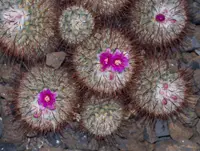
It typically produces large, pale yellow to cream flowers in summer from the center of the plant, opening in strong light and attracting insect pollinators in its native habitat.

Mexican limestone specialist

This species is naturally restricted to central Mexico, where it often grows in shallow, rocky limestone soils that provide sharp drainage and high mineral content.

Botan icon

Did you know?

The seeds of this species are released from dry fruits that remain partly hidden in the plant body, and they can accumulate in the surrounding soil, forming a persistent seed bank that helps the population recover after drought or disturbance.

FAQs about Rhinoceros Cactus

Lack of flowering usually comes from insufficient strong light, a pot that is too large, or no cool, dry winter rest. Older, well-lit, slightly cramped plants bloom more reliably than very young or overwatered ones.

Grow Healthy Plants with Botan Care

Keep your plants happy and healthy with plant identification, disease detection, and easy care guidance.

Botan plant care app — identify plants on mobile

Explore More Plants