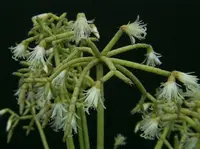
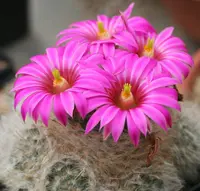
Cereus fernambucensis Care

Cereus fernambucensis

About Cereus fernambucensis

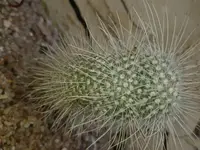
Cereus fernambucensis is a columnar, branching cactus native to coastal regions of northeastern Brazil. It typically forms shrubby clumps with tall, ribbed, blue-green stems and prominent spines.

In habitat it grows in sandy, well-drained soils, often near dunes, and is adapted to intense sun and periods of drought. Its flowers are large, nocturnal, and often attract pollinating moths or bats.

This species is generally robust and forgiving if given strong light, low to moderate watering, and gritty soil. Understanding how to care for Cereus fernambucensis mainly involves avoiding excess moisture and providing enough sun.

Main Plant Requirements

Care Difficulty

Moderate Care

Light Preference

Full Sun

Water Requirements

Low Water

Temperature Preference

Tropical / Frost Sensitive

Hardiness Zone

10–12

Soil Texture

Sandy, Rocky, Loamy

Soil pH

Slightly acidic (6.5–7.0), Neutral (7.0)

Soil Drainage

Well-drained

Fertilization

Minimal (feed rarely)

Get Personalized Care Plan

Scan your plant to receive care tips personalized for your specific plant

Available on iOS and Android

How to Care for the Cereus fernambucensis

This coastal cactus thrives in bright conditions with strong but managed sun exposure.

  • Provide 6–8 hours of direct sun daily, ideally with morning sun and light afternoon shade in very hot climates to protect stems from scorching.
  • It tolerates short periods of partial shade, but long-term low light leads to weak, elongated growth and fewer flowers in Cereus fernambucensis.
  • Outdoors, increase sun exposure gradually in spring to avoid sunburn; in cloudy seasons or higher latitudes, prioritize the brightest, least-obstructed location.

This cactus prefers deep but infrequent watering with thorough drying between soakings.

  • Allow the top 3–5 cm of soil to dry fully before watering, then soak the root zone so excess drains away, avoiding standing water around the base.
  • In spring and summer, expect more frequent watering as growth and heat increase; reduce sharply in fall and keep almost dry in cool winter conditions.
  • Watch for signs: shriveling ribs suggest underwatering, while yellowing, soft, or blackened stems indicate overwatering or poorly drained soil.

This species prefers warm, dry conditions and is sensitive to prolonged cold or frost.

  • Aim for 70–90°F (21–32°C) for active growth, as these warm temperatures support strong stem development and flowering potential.
  • Protect from temperatures below 40°F (4°C); brief dips to 35–40°F (2–4°C) may be survived if soil is dry, but frost can scar or kill stem tissue.
  • In hot spells above 95°F (35°C), it tolerates heat if soil is well drained and airflow is good, but light afternoon shade helps reduce stress.

This coastal cactus handles typical indoor humidity but still benefits from moderately dry air control.

  • Aim for 30–50% humidity; avoid persistently above 60% to reduce rot risk.
  • Dry indoor air is generally tolerated, but very hot, dry drafts can cause shriveling ribs and brown tips.
  • If stems wrinkle despite proper watering, raise humidity slightly with nearby pebble trays rather than misting.

This cactus needs a very fast-draining, mineral-heavy mix to prevent root and stem rot.

  • Use a sandy, gritty structure, such as 50–70% cactus mix blended with coarse pumice, perlite, or 3–5 mm gravel.
  • Keep drainage extremely sharp; water must run through freely and not leave the soil wet for more than 12–24 hours.
  • Target slightly acidic to neutral pH around 6.0–7.0, avoiding heavy clay-based substrates that compact around roots.
  • For Cereus fernambucensis outdoors, mound the soil or use raised beds to improve aeration and prevent waterlogging.

This species is well suited to container culture when the pot is chosen for drainage and stability.

  • Select a heavy, wide-based pot to counterbalance tall, sprawling stems and reduce tipping risk in wind.
  • Choose unglazed terracotta if extra evaporation is needed in wet climates, as it dries the mix faster than plastic.
  • Use a pot only slightly wider than the root zone so the large volume of dry mix does not stay wet after infrequent waterings.

This cactus benefits from light feeding but tolerates lean soil if otherwise well grown.

  • Use a balanced cactus fertilizer or diluted 10-10-10 liquid feed at 1/2–1/4 strength during active growth.
  • Apply every 4–6 weeks in spring and summer for container-grown Cereus fernambucensis; outdoor in-ground plants often need less.
  • Avoid high-nitrogen products that cause soft, weak growth and increase rot risk.
  • Stop feeding in fall and winter to allow natural dormancy and prevent stressed, elongated stems.

Pruning helps manage size and safety of this branching, spiny cactus.

  • Carry out pruning in late spring or early summer, when growth is active and healing is faster.
  • Remove dead, frost-damaged, rubbing, or dangerously placed stems on Cereus fernambucensis.
  • Use clean, sharp loppers or a pruning saw; wear thick gloves and eye protection.
  • Shaping cuts can open the plant’s center to more light and airflow, improving overall vigor.

Container plants and young outdoor specimens benefit from thoughtful repotting or transplanting.

  • Plan repotting or transplanting in late spring, just before strong warm-season growth begins.
  • Look for roots circling the pot, pushing from drainage holes, or slowed growth as signs space is limited.
  • Move to a pot only 2–5 cm wider, using gritty, fast-draining cactus mix to limit root disturbance.
  • Keep the root ball as intact as possible, set at the same depth, then wait 5–7 days before watering to reduce stress.

This species is commonly propagated from stem cuttings, with seeds used mainly by advanced growers.

  • Take healthy stem cuttings in late spring or summer from mature, non-shriveled segments of Cereus fernambucensis.
  • Allow cut surfaces to callus for 5–10 days in a dry, shaded place to prevent rot.
  • Plant callused ends into barely moist, gritty cactus mix and keep at 70–80°F with bright, indirect light.
  • Water sparingly until firm resistance indicates rooting, then gradually increase light and normal watering.

This cactus is frost sensitive and needs protection in regions with cold winters.

  • Avoid exposure below about 40°F; brief light frost can scar or kill young tissue.
  • Move containers indoors or into a bright, cool, frost-free space before first frost.
  • In mild climates, use a dry, gritty soil and consider a light, dry mulch around the root zone.
  • Keep soil almost dry in winter to reduce cold-related root rot, resuming watering in spring.

Care Tips

Provide sturdy support

Install a heavy, rust-resistant metal or thick wooden stake or trellis at planting time so the sprawling stems can be tied loosely with soft plant ties, preventing breakage and keeping the plant off wet soil.

Use mineral mulch

Top-dress the root zone with 2–5 cm of coarse gravel or small rocks instead of organic mulch to keep the crown dry, reduce rot risk, and stabilize soil temperature around the shallow root system.

Control size by thinning

Instead of shortening stems, remove entire older or damaged stems at the base with clean, sharp tools to open the plant’s center to light and air and maintain a manageable, structurally sound framework.

Protect from excess rain

In very wet seasons or coastal areas, use a simple lean-to cover, overhanging eave, or movable cold frame roof to limit prolonged saturation of the root zone while still allowing maximum light.

Plan for safe handling

Set permanent planting and any major repotting where there is enough space to work around the plant, and always use thick gloves, long sleeves, and folded newspaper or foam padding to move or tie stems safely when caring for Cereus fernambucensis.

Common Pests and Diseases

Mealybugs

This pest often hides in rib grooves, areoles, and branching points, feeding on sap and excreting sticky honeydew that can lead to sooty mold. Symptoms include cottony white clusters and sometimes stunted new growth on stems and fruiting areas.

Solution

Isolate the plant, then dab visible insects with cotton swabs dipped in 70% isopropyl alcohol and gently wipe along ribs and areoles. For larger plants or outdoor clumps, use a strong water spray to dislodge them, then apply a horticultural soap or light horticultural oil labeled for cacti, repeating every 7–10 days until no new clusters appear.

Scale insects

These insects appear as small, hard, brown or gray bumps attached along the ribs and at the base of spines, feeding on sap and weakening the plant over time. Symptoms include yellowing segments, poor growth, and sometimes sticky honeydew on lower parts of the stems.

Solution

Scrape or lift off individual scales with a soft brush or fingernail, taking care not to damage epidermis. Follow with a thorough application of insecticidal soap or light horticultural oil, making sure to coat all sides of the stems and repeating treatments over several weeks to target newly hatched crawlers.

Spider mites

These insects prefer hot, dry, and sheltered locations on columnar stems, where they puncture the skin and cause fine speckling and a dull, grayish surface. Symptoms include very fine webbing in ribs and branch junctions and a dusty appearance on affected areas.

Solution

Raise humidity around the plant slightly and hose stems with a firm but gentle stream of water to remove mites and webbing. If activity continues, apply insecticidal soap or a miticide labeled for ornamental use, ensuring full coverage of ribs and crevices and repeating at intervals until new growth looks clean, which is an important part of Cereus fernambucensis care instructions.

Bacterial soft rot

This disease causes water-soaked, mushy, and often foul-smelling patches on stems, usually starting from mechanical wounds or areas that stayed wet too long. Symptoms include collapsed ribs, oozing tissue, and rapid progression in warm, humid conditions.

Solution

Immediately cut out all affected tissue with a sterilized knife, removing some healthy margin around the rot, and discard infected material. Allow cut surfaces to dry and callus fully in a bright, dry, airy place, then adjust watering and rainfall exposure so stems dry quickly after wetting and avoid injuring the skin of the cactus.

Stem canker

This disease leads to localized sunken, corky, or scabbed lesions on stems that may slowly expand and distort ribs. Symptoms include rough brown patches that may crack and occasionally support secondary fungal growth on older column sections.

Solution

Prune out severely affected stem sections with sterile tools, cutting back into firm, healthy tissue and disposing of the removed parts. Improve air circulation, reduce overhead wetting, and if cankers continue to spread, use a copper-based fungicide according to label directions, focusing on drying conditions and clean pruning cuts to limit new infections.

Interesting Facts

Sprawling coastal cactus

This species naturally grows as a sprawling, many-stemmed cactus along sandy coastal areas of eastern Brazil, where its low, scrambling habit helps it tolerate strong winds and shifting dune substrates.

Night-blooming pollination

It produces large, white, strongly scented flowers that open at night and are primarily pollinated by nocturnal moths and possibly bats, an adaptation that aligns flower opening with the activity of these pollinators.

Edible, bird-dispersed fruits

The plant forms fleshy, often reddish fruits that are eaten by birds, which then disperse the seeds in their droppings, helping the species colonize new coastal sites and stabilize sandy habitats.

FAQs about Cereus fernambucensis

Growth is moderate for a cactus. In warm, bright, frost-free conditions it may add 10–30 cm per year. Cool temperatures, low light, cramped roots, or frequent overwatering slow growth significantly, especially in short northern growing seasons.

Grow Healthy Plants with Botan Care

Keep your plants happy and healthy with plant identification, disease detection, and easy care guidance.

Botan plant care app — identify plants on mobile

Explore More Plants