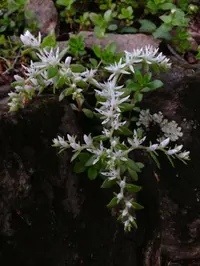
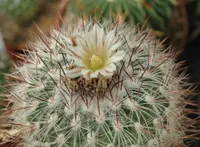
greenflower nipple cactus Care (Cochemiea barbata)

greenflower nipple cactus

About greenflower nipple cactus

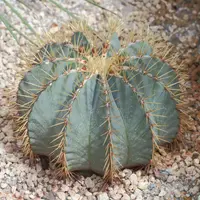
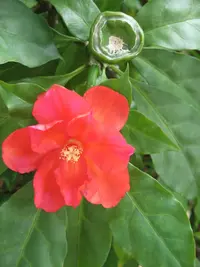
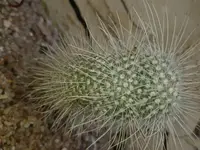
The greenflower nipple cactus, Cochemiea barbata, is a small desert cactus known for its clustered stems and distinctive greenish flowers with long, bristly filaments. It typically forms low mounds, with cylindrical stems covered in dense spines that protect it from sun and herbivores.

This species is native to arid regions of Mexico, where it grows on rocky slopes with excellent drainage and strong light. Its slow growth, drought tolerance, and compact size make it attractive to collectors, but it needs careful watering and very free-draining soil. Understanding how to care for greenflower nipple cactus helps prevent rot and maintain its natural form.

Main Plant Requirements

Care Difficulty

Moderate Care

Light Preference

Full Sun

Water Requirements

Low Water

Temperature Preference

Warm Climate

Hardiness Zone

9–11

Soil Texture

Sandy, Rocky, Loamy

Soil pH

Slightly acidic (6.5–7.0), Neutral (7.0)

Soil Drainage

Well-drained

Fertilization

Minimal (feed rarely)

Get Personalized Care Plan

Scan your plant to receive care tips personalized for your specific plant

Available on iOS and Android

How to Care for the greenflower nipple cactus

This cactus thrives in bright, intense light similar to its native desert slopes.

  • Provide 6–8 hours of direct sun daily, ideally with strong morning sun and lighter afternoon exposure to reduce scorching risk.
  • Outdoors, place on a south or southwest-facing site; in very hot climates, give 20–30% filtered shade during harsh afternoon sun to prevent yellowing or sunburn.
  • In winter, ensure the greenflower nipple cactus still receives at least 4–5 hours of bright sun to maintain compact growth and flowering potential.

Cochemiea barbata prefers infrequent, deep watering that fully dries between soakings.

  • Water only when the top 3–5 cm of soil are completely dry; in hot active growth this may be every 7–14 days, less often in cooler weather.
  • Use very fast-draining, gritty soil and allow excess water to run off freely to reduce root-rot risk and prevent a swollen, mushy stem.
  • In winter or cool periods, cut watering to a light drink every 4–6 weeks, watching for slight wrinkling as a sign to water and blackened, soft tissue as a sign of overwatering.

This desert species prefers warm, dry conditions with good airflow.

  • Aim for 70–85°F (21–29°C) during active growth, with cooler nights that stay above 55°F (13°C) for stable development.
  • Protect from frost; it may survive brief dips to 25–30°F (-4 to -1°C) if completely dry, but repeated freezing damages tissue and roots.
  • In extreme heat above 95°F (35°C), provide light afternoon shade and avoid overhead watering during the hottest hours to limit stress and sunscald.

This cactus prefers dry air and does not need extra humidity indoors.

  • Aim for 20–40% humidity, similar to most heated or air-conditioned homes.
  • Greenflower nipple cactus tolerates very dry air; problems usually come from excess moisture, not low humidity.
  • If air stays above 60% for long periods, increase air movement and ensure the potting mix dries fully between waterings to prevent rot.

Use a very fast-draining, mineral-heavy mix to prevent root and stem rot.

  • Choose a gritty, sandy substrate made from 50–70% inorganic particles such as pumice, coarse perlite, or granite grit, with the rest lean cactus potting mix.
  • Ensure water runs through in seconds and the mix dries within 3–5 days; avoid moisture-retentive peat-heavy bagged mixes.
  • Keep pH slightly acidic to neutral (about 6.0–7.0), which most commercial cactus mixes provide when combined with mineral amendments.
  • For Cochemiea barbata outdoors, mound the soil or plant on a slope or raised bed to increase drainage and aeration around the roots.

This species is well suited to container growing when drainage and root aeration are tightly controlled.

  • Select a pot only 2–3 cm wider than the root mass to keep the mix drying quickly throughout.
  • Use unglazed terracotta in humid or cool climates to increase evaporation from the sides of the pot.
  • Raise the container slightly on pot feet or stones so drainage holes stay clear and water cannot pool beneath.

Cochemiea barbata is a low-feeding desert cactus that benefits from light, precise fertilization during active growth.

  • Use a diluted balanced liquid cactus fertilizer (around 10-10-10 or similar) at 1/4–1/2 strength in spring and early summer.
  • Feed every 4–6 weeks only while the plant is actively growing and soil temperatures are warm.
  • Avoid compost-heavy or slow-release products that stay wet or salty around the roots, as this can cause rot.
  • Stop feeding in late summer and keep the greenflower nipple cactus unfertilized through fall and winter dormancy.

Pruning Cochemiea barbata is minimal and mainly focuses on hygiene and safety rather than reshaping the plant.

  • Carry out any pruning in late spring or early summer when growth is active and healing is faster.
  • Remove only dead, diseased, or collapsed stems using clean, sharp scissors or small pruning shears.
  • Trim off damaged tips to tidy appearance, but avoid cutting healthy tissue heavily as this can slow growth.
  • Use tongs or folded newspaper to handle stems and prevent damaging spines or injuring hands.

Cochemiea barbata grows slowly and prefers infrequent repotting with minimal disturbance to its roots.

  • Repot only when roots circle the pot, grow through drainage holes, or growth and flowering noticeably slow.
  • Plan repotting for late spring, every 3–5 years, when the plant is starting active growth.
  • Use a slightly larger pot with a gritty, fast-draining cactus mix to keep roots aerated and dry between waterings.
  • Unpot gently, keep the root ball mostly intact, let any broken roots callus 1–2 days, then replant and withhold watering for about a week.

Cochemiea barbata is commonly propagated from offsets and seeds under warm, dry, stable conditions.

  • Separate small offsets in late spring or early summer using a sterile knife, leaving a clean cut at the base.
  • Allow cut surfaces to dry and callus for 5–7 days in bright, indirect light before planting.
  • Set offsets into barely moist, gritty cactus mix and keep warm (70–80°F) with very light watering until roots form.
  • For seeds, sow on the surface of sterile, sandy mix, keep lightly moist, warm, and bright, then reduce watering as seedlings harden.

Winter care for Cochemiea barbata centers on keeping it cool, dry, and above damaging frost levels.

  • Keep plants at 40–50°F in winter with excellent light and almost completely dry soil to maintain dormancy.
  • In climates below 30°F, move container plants indoors to a bright, cool windowsill or unheated greenhouse.
  • Outdoors in mild regions, use a raised, very well-drained bed and a coarse mineral mulch to keep the root zone dry.
  • Avoid overhead watering in winter so stems stay dry and less prone to cold damage or rot.

Care Tips

Rock mulch ring

Place a loose ring of small rocks or coarse gravel around the base to keep the stem dry at soil level and reduce splashback that can cause rot or fungal spotting on the areoles.

Terracotta microclimate

Use an unglazed terracotta pot and raise it on pot feet or tiles so air can circulate under the container, which helps the root zone dry predictably and lowers the risk of root rot in this clustering cactus.

Cluster management

Every 2–3 years, remove and replant a few healthy offsets with a callused base into a separate pot to prevent overcrowding, improve airflow between stems, and maintain an attractive clump form.

Winter light boost

In winter dormancy, move the plant to the brightest available indoor window or supplement with a small LED grow light placed 20–30 cm above the cactus to prevent lopsided, weak growth.

Inspection with tools

Use a soft artist brush or compressed air duster to gently clean dust and debris from the spines, which improves visual inspection for mealybugs and spider mites when caring for greenflower nipple cactus.

Common Pests and Diseases

Mealybugs

This pest is attracted to the dense spines and areoles of the stems, where it hides in white, cottony masses and sucks plant sap. Symptoms include stunted growth, yellowing tissue around areoles, and sticky honeydew deposits that may attract sooty mold.

Solution

Isolate the plant, then remove visible insects with a cotton swab dipped in 70% isopropyl alcohol, working carefully around the spines. Follow with 2–3 treatments of a ready-to-use insecticidal soap or neem oil spray at 7–10 day intervals, and reduce excess humidity or crowding to prevent reinfestation.

Spider mites

These insects thrive on Cochemiea barbata in hot, dry, stagnant air, feeding on epidermal cells and causing a dull, dusty appearance. Symptoms include very fine webbing in spine clusters, tiny pale stippling, and slow decline in vigor.

Solution

Rinse the plant gently with a firm stream of water to dislodge mites, taking care not to damage the stems. Improve air movement, avoid extremely dusty conditions, and repeat washes or use a labeled miticidal or insecticidal soap spray every 5–7 days until no new webbing appears.

Scale insects

This pest appears as small, hard, brown or gray bumps along ribs and near areoles, where it feeds on sap and weakens the plant. Symptoms include localized yellowing, slight stem deformities, and sticky honeydew on nearby surfaces.

Solution

Manually remove scales from accessible surfaces with a soft brush or toothpick, then dab remaining individuals with 70% isopropyl alcohol. For larger infestations, apply insecticidal soap or a light horticultural oil thoroughly around spine clusters, repeating every 10–14 days and monitoring new growth closely as part of Cochemiea barbata care.

Corky scab lesions

This disease is a physiological disorder often triggered by repeated wetting of the stems or abrupt shifts between very dry and very wet conditions. Symptoms include rough, tan to brown, cork-like patches on the lower or exposed sides of stems, usually not soft or mushy.

Solution

Remove any severely damaged segments only if they compromise appearance or health, using a sterile knife. Adjust watering to thorough but infrequent soak-and-dry cycles, keep the stem surface as dry as possible, and increase airflow so water on the skin dries quickly after any necessary misting or rain exposure.

Fungal stem spots

This disease develops when stems stay damp for long periods in cool or poorly ventilated conditions, allowing opportunistic fungi to colonize the epidermis. Symptoms include small, sunken, dark spots that may slowly expand and coalesce, sometimes with a slightly soft center.

Solution

Quarantine the plant, then cut out small affected areas with a sterile blade if feasible and allow the wounds to dry in bright, indirect light. Reduce watering frequency, avoid overhead watering, improve airflow, and, if spots continue to spread, apply a sulfur-based or copper-based fungicide labeled for cacti, following the product directions carefully.

Interesting Facts

Beard-like floral bristles

The bright red, hair-like bristles emerging from the flowers of this cactus give it a bearded appearance, which inspired the species name barbata, meaning bearded in Latin. These bristles help protect the floral tube and likely influence which pollinators can reach the nectar.

Hummingbird-pollinated flowers

Its long, tubular, red flowers are adapted for hummingbird pollination, matching the birds’ bill shape and color preferences. The flowers often appear in a ring near the stem tip, forming a showy display that attracts these fast-moving pollinators in its native range in Mexico.

Cliff and rock specialist

In the wild, this species typically grows on rocky slopes and cliffs in arid regions of Mexico. It is adapted to shallow, fast-draining crevices where roots anchor into minimal pockets of soil and organic matter.

Botan icon

Did you know?

Taxonomically, this species has a complex history and was long included in the genus Mammillaria before molecular and morphological studies supported its placement in Cochemiea, reflecting a refined understanding of its evolutionary relationships among these small, tuberculate cacti.

FAQs about greenflower nipple cactus

Lack of flowers usually comes from insufficient light, no cool, dry winter rest, or a plant that is still immature. Avoid repotting too often, keep fertilizer low, and maintain stable conditions to encourage flowering.

Grow Healthy Plants with Botan Care

Keep your plants happy and healthy with plant identification, disease detection, and easy care guidance.

Botan plant care app — identify plants on mobile

Explore More Plants