strawberry cactus Care (Cochemiea dioica)

Also known as: California fishhook cactus, strawberry pincushion, fishhook cactus
strawberry cactus

About strawberry cactus

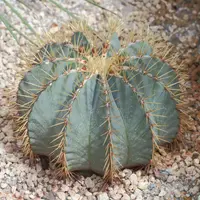
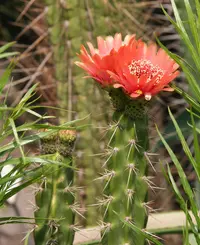
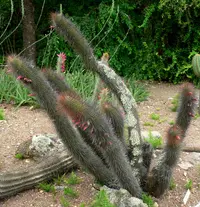
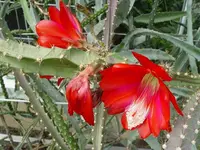
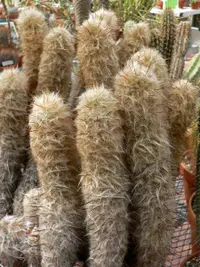
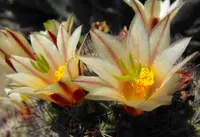
Strawberry cactus (Cochemiea dioica) is a small desert cactus known for its rounded stems, dense spines, and bright red, club-shaped fruits that resemble strawberries. It usually grows in clusters, forming low mounds over time.

This species is native to arid regions of the southwestern United States and northern Mexico, where it experiences intense sun and very dry conditions. Its slow growth and drought tolerance make it suitable for containers and rock gardens.

The plant prefers strong light, very well-draining soil, and infrequent watering, which generally makes it low maintenance once established. Understanding these natural conditions helps clarify how to care for strawberry cactus in a home setting.

Main Plant Requirements

Care Difficulty

Moderate Care

Light Preference

Full Sun

Water Requirements

Low Water

Temperature Preference

Warm Climate

Hardiness Zone

9–11

Soil Texture

Sandy, Rocky, Loamy

Soil pH

Slightly acidic (6.5–7.0), Neutral (7.0)

Soil Drainage

Well-drained

Fertilization

Minimal (feed rarely)

Get Personalized Care Plan

Scan your plant to receive care tips personalized for your specific plant

Available on iOS and Android

How to Care for the strawberry cactus

This desert cactus thrives with strong light but can scorch in the harshest afternoon sun.

  • Provide 6–8 hours of direct sun, ideally morning to early afternoon; in very hot regions, give light afternoon shade to protect stems from bleaching.
  • Outdoors, place strawberry cactus in an open, unobstructed spot; indoors, use a south- or west-facing window with minimal obstructions or thin sheer curtains.
  • In winter, move plants to the brightest possible location, as low light stretches growth; rotate the pot weekly for even exposure if grown inside.

Watering for this species must stay on the dry side to prevent root and stem rot.

  • Allow soil to dry completely, at least the top 5–8 cm, before watering again; use a finger or wooden skewer to check depth, not just the surface.
  • During active growth in spring–summer, water thoroughly, then drain fully; in fall, reduce frequency, and in winter give only light sips every few weeks if stems start to wrinkle.
  • Use very fast-draining, gritty soil on a slope or in a raised bed to protect Cochemiea dioica from standing water, yellowing tissue, and mushy roots.

This cactus prefers warm, dry conditions and is sensitive to hard frost and prolonged cold.

  • Aim for 70–90°F (21–32°C) during active growth; short spikes to 100°F (38°C) are tolerated if soil is dry and airflow is good.
  • Protect from temperatures below 40°F (4°C); brief dips to 32°F (0°C) may not kill the plant but can scar tissue, especially if soil is wet.
  • In winter, a cool, dry rest at 45–55°F (7–13°C) helps maintain compact growth, but avoid freezing drafts and sudden temperature swings.

This cactus prefers dry air and typically stays healthy in 20–40% humidity.

  • Strawberry cactus handles very low indoor humidity without extra misting or trays.
  • Watch for soft, pale, or splitting stems as signs of excess humidity combined with poor air flow.
  • If air is consistently above 50% humidity, increase ventilation and avoid crowding plants to reduce moisture around stems.

Provide very fast-draining, mineral-rich soil to prevent root rot in Cochemiea dioica.

  • Use a cactus mix amended with 30–50% extra coarse sand, pumice, or perlite to increase drainage and aeration.
  • Aim for a gritty, mostly inorganic texture, avoiding dense loam or peat-heavy potting soil that retains water too long.
  • Keep soil slightly alkaline to neutral, around pH 7.0–7.5, by avoiding large amounts of acidic compost or bark.
  • Ensure no perched water layer forms by checking that water runs through quickly and the mix dries fully between waterings.

This species is well suited to container growing when the pot is chosen to control moisture and provide stability.

  • Select a pot only 2–4 cm wider than the root mass to keep the mix drying at an appropriate rate.
  • Choose unglazed terracotta for faster evaporation if overwatering is a concern or the climate is humid.
  • Place the container on a stable, level surface so the spiny stems are not disturbed by tipping or shifting.

This desert cactus has low nutrient demand, so use light feeding to support growth without forcing it.

  • Apply a diluted balanced liquid fertilizer (about 1/4–1/2 strength, low in nitrogen) every 4–6 weeks in spring–summer while growth is active.
  • Choose a cactus-specific or general balanced NPK formula; avoid high-organic compost that stays wet and can rot roots.
  • Stop feeding completely in fall–winter when growth slows, as strawberry cactus rests and excess salts can accumulate.
  • Flush the pot with plain water a few times each growing season to reduce fertilizer salt buildup in the soil.

Pruning needs for Cochemiea dioica are minimal and mainly focused on health and safety.

  • Carry out any pruning in late spring–summer, when growth is active and wounds seal faster.
  • Remove only dead, diseased, or shriveled stems, and any offsets that are crowding or rubbing against each other.
  • Use clean, sharp pruning shears or a knife and wear thick gloves to avoid injury from spines.
  • Shaping should be conservative; over-cutting can disfigure the clump and reduce flowering potential.

Handling this cactus gently during repotting or transplanting helps keep its fine roots intact and healthy.

  • Repot every 3–4 years or when roots circle the pot, growth slows, or soil becomes compacted and drains poorly.
  • Plan repotting for late spring, using a pot just 1 size larger with a very fast-draining cactus mix.
  • Let soil dry fully, then slide the plant out carefully, loosening only the outer root layer and removing rotten roots.
  • Replant at the same depth, backfill lightly, and keep dry for 5–7 days before lightly watering to reduce transplant shock.

This species is commonly propagated from offsets and seeds under warm, bright, and dry-leaning conditions.

  • Detach offsets in late spring–summer, cutting cleanly at the base and removing a small section of stem if needed.
  • Allow cut surfaces to callus in dry air for 5–10 days before setting on or in gritty, sterile cactus mix.
  • Maintain bright indirect light, 75–85°F, and very light, infrequent misting or bottom watering until roots form.
  • For seeds, sow on the surface of barely moist, sterile mix, provide warmth and bright shade, and keep only slightly moist.

This cactus prefers cool, very dry winter conditions and is only lightly tolerant of brief cold.

  • Keep above 35–40°F; prolonged exposure below freezing can damage stems and roots.
  • Move container plants indoors or into an unheated but frost-free, bright space for winter.
  • Reduce watering to almost none, giving only a light drink every 4–6 weeks to prevent severe shriveling.
  • In mild climates, use a coarse gravel mulch around the root zone to improve drainage and limit cold, wet soil contact.

Care Tips

Protect from summer rain

If grown outdoors in warm climates, place the pot under a solid overhang or move it to a sheltered spot before forecasted summer storms to prevent prolonged wetting of the stems and crown rot.

Use top dressing

Add a 0.5–1 cm layer of clean pumice or coarse gravel on the soil surface to keep the neck of the plant dry, reduce algae growth, and stabilize the shallow root system.

Optimize pot shape

Choose a relatively deep, narrow terracotta pot so the taproot can develop downward while excess moisture evaporates more easily through the porous sides.

Rotate for even spines

Turn the pot 90° every 2–3 weeks during the growing season so light reaches all sides evenly and the stems remain symmetrical with uniform spine density.

Cool, bright winter rest

If possible, overwinter the plant in a bright spot at 45–55°F with completely dry soil to encourage stronger flowering the following season when growing strawberry cactus.

Common Pests and Diseases

Mealybugs

This pest often hides in the woolly areoles and stem crevices, feeding on plant sap and causing slow decline and distorted new growth. Symptoms include white cottony clusters and sticky honeydew that can attract sooty mold.

Solution

Isolate the plant, then dab visible mealybugs with cotton swabs dipped in 70% isopropyl alcohol and repeat weekly until no new pests appear. Improve light and air movement, and for heavier infestations use a labeled systemic insecticide for cacti according to instructions, avoiding overspraying the sensitive stem tips.

Red spider mites

These insects thrive on dry, hot windowsills and greenhouse benches, causing faded, rough, and stippled skin on the stems of this small desert cactus. Symptoms include fine webbing between tubercles and a dull, greyish appearance of affected areas.

Solution

Rinse the plant gently with a firm stream of water to remove mites and webbing, taking care not to damage spines, then increase humidity slightly around the plant without overwatering. For persistent problems, apply a targeted miticide or insecticidal soap labeled for cacti, repeating treatments as directed to disrupt the life cycle.

Scale insects

This pest appears as small, hard, brown or tan bumps on ribs and tubercles, where the insects suck sap and weaken the plant over time. Symptoms include localized yellowing or pitted tissue beneath the scales and occasional honeydew on the pot surface.

Solution

Remove individual scales manually with a soft brush or toothpick, then wipe affected areas with a light application of 70% isopropyl alcohol. If populations are extensive, use a systemic insecticide suitable for succulents and maintain the plant in bright, airy conditions to discourage re‑infestation, which is important when caring for strawberry cactus.

Corky stem scab

This disease results from minor mechanical damage or repeated wetting of the stem surface, leading to brown, corky patches that may crack as the cactus grows. Symptoms include dry, hardened lesions that do not feel soft or mushy but can disfigure the plant if conditions continue.

Solution

Improve cultural conditions by avoiding overhead watering, allowing the stem to stay dry, and providing bright light with good airflow. Remove only severely damaged tissue if it begins to crack or harbor pests, sterilizing tools before and after cutting, and adjust watering so the soil dries fully between waterings.

Fungal stem rot

This disease usually starts at a damaged areole, spine base, or waterlogged crown, leading to soft, discolored tissue that can spread rapidly in warm, stagnant conditions. Symptoms include dark, mushy spots with a possible foul odor and eventual collapse of affected segments.

Solution

At the first sign, cut away all soft, discolored tissue back to firm, healthy flesh using sterile tools and allow the wound to dry and callus in a warm, airy place. Reduce watering frequency, ensure the potting mix is very fast-draining mineral cactus soil, and keep the plant in bright, indirect sun while monitoring closely for any new soft areas.

Interesting Facts

Brightly colored fruits

This species produces elongated, bright red to orange fruits that stand out strongly against its spiny stems and are eaten by birds and small mammals, which help disperse the seeds.

Coastal desert specialist

It is native to arid and semi-arid coastal regions of Baja California and nearby islands, where it tolerates intense sun, limited rainfall, and salty winds better than many other cacti.

Hooked central spines

Its central spines are often curved or hooked at the tips, which may help protect the plant from herbivores and can also trap leaf litter that slowly adds organic matter around the base.

Botan icon

Did you know?

This cactus often grows in very shallow, rocky soils and crevices where few other plants can survive, anchoring itself into cracks in volcanic or limestone rock and contributing to stabilization of otherwise bare slopes in its native range.

FAQs about strawberry cactus

Lack of blooms usually comes from insufficient light, a pot that is too large, or the plant being too young. Cool, dry winter rest and strong spring–summer light are important flowering triggers for this desert species.

Grow Healthy Plants with Botan Care

Keep your plants happy and healthy with plant identification, disease detection, and easy care guidance.


Botan plant care app — identify plants on mobile

Explore More Plants