Graham's nipple cactus Care (Cochemiea grahamii)

Graham's nipple cactus

About Graham's nipple cactus

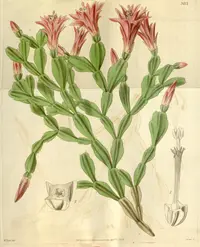
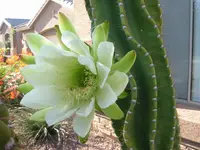
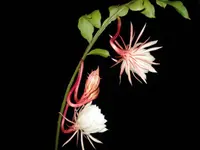
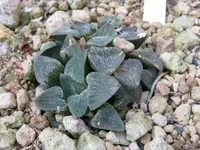
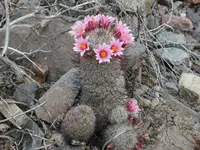
Graham's nipple cactus, Cochemiea grahamii, is a small desert cactus native to the southwestern United States and northern Mexico. It typically forms short, cylindrical stems covered in white to yellowish spines. In season it produces showy tubular flowers, usually pink to reddish, that stand out against the spines. The plant often grows in rocky, well-drained habitats with high light and low rainfall. This species is generally considered easy to grow for those who provide strong light, very free-draining soil, and careful watering. Its slow growth and compact size make it suitable for containers, and learning how to care for Graham's nipple cactus is straightforward for most home growers.

Main Plant Requirements

Care Difficulty

Easy Care

Light Preference

Full Sun

Water Requirements

Low Water

Temperature Preference

Warm Climate

Hardiness Zone

9–11

Soil Texture

Sandy, Loamy, Rocky

Soil pH

Slightly acidic (6.5–7.0), Neutral (7.0)

Soil Drainage

Well-drained

Fertilization

Minimal (feed rarely)

Get Personalized Care Plan

Scan your plant to receive care tips personalized for your specific plant

Available on iOS and Android

How to Care for the Graham's nipple cactus

This desert cactus needs strong light to maintain compact, healthy growth.

  • Provide 6–8 hours of direct sun daily, ideally with morning sun and light afternoon shade in very hot, low-latitude areas to prevent scorching.
  • In the ground, site Graham's nipple cactus where it gets unshaded exposure most of the day; in partial shade it will elongate and flower less.
  • Monitor summer sun: pale, yellowed patches indicate sunburn, while stretched, leaning stems signal insufficient light, especially in cooler seasons.

This species is drought-adapted and must dry well between waterings to avoid root problems.

  • Allow the top 3–5 cm of soil to dry completely before watering; in hot, dry weather this may be every 10–21 days, but always check the soil first.
  • Use very fast-draining, gritty soil so water runs through quickly; avoid standing water around the roots of Cochemiea grahamii.
  • Reduce watering sharply in winter, giving only a light drink every 4–6 weeks; soft, yellowing or splitting stems suggest overwatering, while deep wrinkling signals it is too dry.

This cactus prefers warm, arid conditions and is sensitive to hard frost.

  • Aim for active growth temperatures around 70–90°F (21–32°C); short spikes to 95°F (35°C) are tolerated if the soil is dry and airflow is good.
  • Protect from frost: it usually survives brief dips to 25–28°F (-4 to -2°C) if completely dry, but repeated freezing damages tissue and roots.
  • In cooler regions, give a cool-dry rest in winter around 45–55°F (7–13°C) under cover, then reintroduce warmth gradually in spring to avoid stress cracking.

This cactus prefers dry air and usually does not need extra humidity control indoors.

  • Aim for 20–40% relative humidity, similar to a heated indoor room or arid climate.
  • It tolerates very dry air; problems are more likely from excess moisture than from low humidity.
  • If stems look pale, swollen, or fungus spots appear, reduce nearby humidifiers and increase air movement rather than adding humidity.

Use a very fast-draining, mineral-heavy mix to keep roots of Cochemiea grahamii dry between waterings.

  • Choose a gritty substrate with 60–80% mineral content, such as coarse sand, pumice, or small gravel, with only a small amount of organic matter.
  • Ensure water drains through in seconds; if it pools on the surface or the pot feels heavy for long, add more pumice or grit.
  • Aim for slightly acidic to neutral pH around 6.0–7.0, which suits nutrient uptake and discourages some root pathogens.
  • Avoid peat-heavy, compact, or moisture-retentive mixes that stay wet, as these quickly lead to root rot in this cactus.

This species is well suited to container cultivation, including small pots.

  • Select a pot only 2–3 cm wider than the root ball so the mix dries quickly and does not trap moisture around the roots.
  • Use a heavier material like terracotta or ceramic to prevent tipping if stems lean or cluster to one side.
  • Raise the pot on feet or mesh so drainage holes stay clear and water exits rapidly after each irrigation.

Light feeding keeps Graham's nipple cactus healthy without forcing soft, weak growth.

  • Use a low-strength balanced cactus fertilizer (diluted to 25–50% of label rate) or a very light application of slow-release granules in spring.
  • Feed once in late spring and once in mid-summer during active growth; do not exceed 2 applications per year.
  • Avoid rich composts or high-nitrogen feeds, which promote stretched, vulnerable tissue.
  • Stop feeding in fall and winter dormancy to prevent root and stem rot.

Cochemiea grahamii needs minimal pruning, mainly for health and safety around its spines.

  • Carry out any pruning in late spring or early summer when growth is most active.
  • Remove only dead, diseased, or severely damaged stems using clean, sharp scissors or pruning snips.
  • Cut crowded or rubbing stems at the base to slightly open the clump and improve air flow without over-thinning.
  • Disinfect tools before and after use to reduce the risk of fungal or bacterial infections.

This cactus prefers tight containers and infrequent disturbance, so repot only when clearly needed.

  • Check for roots circling the pot, pushing through drainage holes, or very slow growth as signs it needs more space.
  • Plan repotting every 3–4 years in late spring, using a shallow pot with excellent drainage and fresh cactus mix.
  • Water lightly a few days before the move, then slide the root ball out gently, handling the plant with folded newspaper or tongs.
  • Disturb roots as little as possible, replant at the same depth, then keep soil barely moist for 1–2 weeks while it re-establishes.

Cochemiea grahamii is most often propagated from offsets, with seeds used for larger-scale growing.

  • Take offsets in late spring or early summer, cutting cleanly at the base with a sterile knife.
  • Allow cut surfaces to callus in a dry, shaded place for 5–7 days to reduce rot risk.
  • Set callused offsets on a barely moist, gritty cactus mix and keep in bright, indirect light at 70–80°F.
  • Sow seeds on the surface of sterile, fine cactus mix, keep lightly covered, evenly barely moist, and warm until germination.

This desert cactus tolerates brief light frost when dry but benefits from controlled winter conditions in cultivation.

  • Keep plants at 40–50°F in bright light with almost completely dry soil through winter dormancy.
  • In frost-prone climates, move containers indoors or into a cold greenhouse before temperatures drop below 32°F.
  • Ensure excellent air circulation and avoid overhead watering to limit fungal problems in cool conditions.
  • For in-ground plants in marginal climates, provide a raised, very free-draining bed and a clear rain cover over winter.

Care Tips

Deep pot choice

Use a tall, narrow clay pot with a large drainage hole so the taproot can develop fully and the root zone dries quickly between waterings, which greatly reduces rot risk.

Top-dressing gravel

Apply a 1–2 cm layer of coarse pumice or gravel on the soil surface to keep the stem base dry, prevent algae and moss, and make spotting early rot or pests easier when caring for Graham's nipple cactus.

Sun acclimation routine

When moving the plant to stronger light, increase exposure over 10–14 days by adding about 30–60 minutes of direct sun every few days to avoid corky sunburn scars on the stems.

Targeted pest checks

Inspect closely between the tubercles and around flower scar rings every month with a hand lens, since mealybugs and scale often hide in these crevices and are easier to control if found early.

Winter dryness strategy

In winter, keep the plant completely dry and place it in the brightest cool spot available to promote a strong flower set in spring and reduce the chance of root loss during dormancy.

Common Pests and Diseases

Mealybugs

This pest feeds on cactus stems and in areoles, leaving white cottony clusters and causing yellowing or stunted growth.

Solution

Isolate the plant, then remove visible insects with cotton swabs dipped in 70% isopropyl alcohol and repeat weekly until no new patches appear; for heavier infestations, apply a systemic insecticide labeled for cacti and reduce excess nitrogen fertilization that encourages soft, vulnerable growth.

Spider mites

These insects thrive in hot, very dry conditions and cause fine speckling, dull patches, and sometimes thin webbing on cactus surfaces.

Solution

Increase humidity around but not directly on the stems, rinse the plant under a firm but gentle stream of water to dislodge mites, and follow with several applications of insecticidal soap or horticultural oil, ensuring full coverage of all ribs and areoles.

Scale insects

This pest appears as hard, flat or dome-shaped brown to gray bumps on stems and areoles and slowly weakens the plant by sucking sap.

Solution

Gently pry off individual scales with a fingernail or soft brush, swab remaining spots with 70% isopropyl alcohol, and if the infestation is widespread, use a systemic insecticide and maintain good light and airflow to support recovery while following Graham's nipple cactus care instructions.

Corky scab lesions

This disease causes rough, brown, corky patches on stems, usually starting near the base where moisture lingers longest.

Solution

Improve airflow, avoid overhead watering, keep the plant in a fast-draining mineral substrate, and remove any severely affected segments with a sterile knife, then keep the cut tissue dry and shaded until it calluses fully.

Fungal stem spotting

Symptoms include small sunken or discolored spots that may enlarge, sometimes becoming soft or dark if humidity stays high or water sits on the stem surface.

Solution

Promptly cut out affected areas with a sterile blade, dust the wound with sulfur or a dry fungicidal powder, adjust watering so the substrate dries quickly, and provide brighter light and better ventilation to reduce future fungal pressure.

Interesting Facts

Hooked central spines

This species produces distinctive hooked central spines that can catch on passing animals, which likely helps disperse the small fruits and seeds when stems are bumped or brushed.

Summer-blooming desert flowers

It typically flowers in late spring to summer, producing tubular pink to reddish blooms that are adapted for pollination by hummingbirds and long-tongued insects in its hot, arid native range.

Arid borderland native

It is native to rocky slopes and gravelly desert habitats of the Sonoran Desert in the southwestern United States and northwestern Mexico, where it grows in full sun with minimal organic soil and very low rainfall.

FAQs about Graham's nipple cactus

Lack of flowers usually comes from insufficient light, no cool, dry winter rest, or too much nitrogen. This species sets buds after a bright, cooler period, so maintain a drier winter and avoid heavy feeding.

Grow Healthy Plants with Botan Care

Keep your plants happy and healthy with plant identification, disease detection, and easy care guidance.

Botan plant care app — identify plants on mobile

Explore More Plants