Copiapoa humilis Care

Copiapoa humilis

About Copiapoa humilis

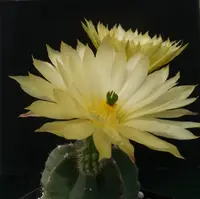
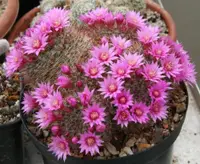
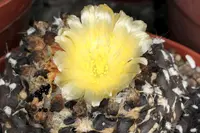
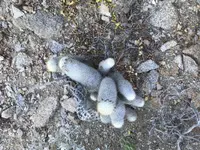
Copiapoa humilis is a small, clumping desert cactus native to the coastal deserts of northern Chile. It forms low mounds of rounded, gray‑green stems with dark spines. Plants often produce yellow flowers near the crown, adding contrast to the muted body color. The slow growth and compact size make it suitable for containers and small spaces. This species comes from very dry, sunny habitats with mineral, fast-draining soils, so it dislikes excess moisture. Its drought tolerance and modest size make it manageable for patient growers who can provide bright light and careful watering. Understanding how to care for Copiapoa humilis mainly involves avoiding overwatering and poor drainage.

Main Plant Requirements

Care Difficulty

Moderate Care

Light Preference

Full Sun

Water Requirements

Low Water

Temperature Preference

Tropical / Frost Sensitive

Hardiness Zone

10–11

Soil Texture

Sandy, Rocky, Loamy

Soil pH

Slightly acidic (6.5–7.0), Neutral (7.0)

Soil Drainage

Well-drained

Fertilization

Minimal (feed rarely)

Get Personalized Care Plan

Scan your plant to receive care tips personalized for your specific plant

Available on iOS and Android

How to Care for the Copiapoa humilis

This desert cactus needs strong light but benefits from some protection from intense midday sun.

  • Provide 6–8 hours of direct sun daily, ideally with morning sun and light afternoon shade, especially in hot, dry climates.
  • In very strong summer sun, use 30–40% shade cloth or plant near a rock or low shrub to filter harsh midday rays and prevent scorching.
  • In cooler or coastal areas, full sun all day is suitable; pale, elongated growth signals insufficient light and the need for a brighter spot.

Watering should mimic brief desert rains followed by thorough drying.

  • Allow the top 3–5 cm of soil to dry completely before watering, then soak deeply so excess drains away, whether in ground or in a pot.
  • From late spring to early fall, expect watering every 10–21 days depending on heat, wind, and soil drainage; reduce sharply in cool or cloudy periods.
  • In winter, keep almost dry, watering only enough to prevent shriveling; soft, yellowing tissue or a sour smell indicates overwatering and possible root rot.

Stable warmth with cool, dry winters supports healthy growth and flowering.

  • Optimal growing temperatures are 70–85°F (21–29°C) during the day and 55–65°F (13–18°C) at night in the active season.
  • The plant tolerates brief drops to 32°F (0°C) if soil is completely dry, but prolonged frost damages tissue and can kill roots.
  • In hot spells above 95°F (35°C), increase air movement and provide light midday shade to prevent overheating, especially in containers or reflected-heat sites.

This species thrives in dry air and rarely needs humidity adjustment in homes.

  • Target 20–40% relative humidity, similar to arid indoor environments or heated rooms.
  • Plants tolerate very dry air but suffer if kept in persistently damp, stagnant conditions.
  • Soft, swollen tissue, black spotting at the base, or lingering surface moisture indicate humidity is too high; increase airflow rather than adding humidity.

Copiapoa humilis requires a very fast-draining, mineral, cactus-style substrate.

  • Use a gritty mix of roughly 60–70% inorganic material such as pumice, coarse sand, and small gravel with 30–40% cactus potting mix.
  • Ensure water runs through in seconds and the mix dries fully within 2–4 days to protect the shallow roots from rot.
  • Aim for slightly acidic to neutral pH around 6.0–7.0, avoiding strongly alkaline or salty substrates.
  • Avoid peat-heavy, compact, or moisture-retentive mixes; add extra pumice or grit to improve aeration and prevent waterlogged pockets.

This compact cactus is very suitable for container growing.

  • Choose a pot just 1–2 in wider than the plant cluster to limit excess wet substrate around the roots.
  • Select unglazed terracotta for faster moisture loss if overwatering is a concern, or a heavier ceramic pot outdoors to resist tipping by wind.
  • Raise the container slightly on feet or pot risers so drainage holes clear the saucer and water exits quickly after irrigation.

Feeding needs are low, but light nutrition supports steady growth in Copiapoa humilis kept in containers.

  • Use a low-dose balanced cactus fertilizer (diluted to 25–50% strength) or a gentle slow-release formula suited to succulents.
  • Apply once every 4–6 weeks during the warm, active growing season only, when light is strong.
  • Do not fertilize in winter or during cool, low-light dormancy to prevent soft, weak tissue.
  • Always water lightly before feeding to avoid root burn in this drought-adapted species.

Pruning needs are minimal, focused on health and safety rather than shaping Copiapoa humilis.

  • Best timing is late spring to summer, when the plant is actively growing and wounds dry quickly.
  • Remove only dead, diseased, or rotting tissue using clean, sharp tools to limit infection risk.
  • Trim off damaged offsets or collapsed stems at the base to maintain a compact clump.
  • Avoid cosmetic cutting of healthy stems, as this cactus naturally forms its dense mound over time.

Container-grown plants benefit from infrequent repotting that refreshes the gritty, fast-draining mix.

  • Look for roots circling the drainage holes, top-heaviness, or stalled growth as signals to repot Copiapoa humilis.
  • Plan repotting for late spring, every 3–5 years, when days are warmer and recovery is faster.
  • Use a dry, mineral-rich cactus mix, handling the root ball gently and keeping roots as intact as possible.
  • After repotting, keep the plant dry and shaded for 5–7 days, then reintroduce water gradually to limit stress.

New plants are usually raised from seeds, with offsets used when available around mature clumps.

  • Sow fresh seed in late spring to early summer in a sterile, very gritty cactus mix.
  • Maintain 70–80°F, bright indirect light, and lightly moist (not wet) substrate until germination.
  • For offsets, cut cleanly at the base, then allow the wound to callus in dry air for 7–14 days.
  • Place callused offsets on barely moist mix and provide strong light and good airflow to encourage rooting.

This desert cactus needs cool, very dry winter conditions and must avoid prolonged freezing.

  • Keep temperatures around 40–50°F with ample light to support a natural resting period for Copiapoa humilis.
  • Move containers indoors or to a cold greenhouse before frost if outdoor lows approach 32°F.
  • Suspend watering almost completely in winter so roots remain dry and rot risk stays low.
  • Ensure the potting mix and drainage holes stay free of standing water or snow melt exposure.

Care Tips

Deep pot choice

Use a deep, heavy clay pot with a large drainage hole to give the taproot room to develop and to keep the plant stable against toppling in strong sun or outdoor wind.

Summer airflow management

Place the plant where it receives steady, gentle airflow during hot weather to keep the ribs dry and reduce the risk of fungal spotting after rare summer showers or mist.

Winter dryness protocol

From late fall to early spring, keep the root zone completely dry and store the plant in a bright, cool, frost-free place to prevent root loss during its natural rest period.

Targeted pest checks

Inspect the woolly crown and the base of stems with a hand lens every few weeks to catch early mealybug or scale infestations, then treat locally with cotton swabs dipped in isopropyl alcohol before populations spread.

Gradual light shifts

When moving the plant between indoors, greenhouse, and outdoor full sun, increase light exposure over 10–14 days to prevent epidermal scarring and maintain the compact form valued when growing Copiapoa humilis.

Common Pests and Diseases

Red spider mites

This pest thrives in hot, very dry conditions and can cause pale, rough patches and a dusty or webbed look on the stem surface. Symptoms include slow growth and a dull, sandblasted appearance of the cactus skin.

Solution

Increase air movement and, if grown indoors, briefly raise humidity around the plant without keeping the soil wet, then gently spray the stem with a strong stream of water to dislodge mites. If populations remain, use a targeted miticide or horticultural oil labeled for cacti, applied in the early morning or evening, and repeat as directed until new growth looks clean.

Root mealybugs

This pest feeds on underground parts and is common on Copiapoa in mineral, well-drained mixes where it can go unnoticed. Symptoms include sudden shriveling despite normal watering and white, cottony clusters on roots when the plant is lifted from the pot.

Solution

Unpot the plant, wash all soil from the roots, and remove visible insects and cottony residue by hand or with a soft brush. Soak the root system briefly in an appropriate systemic insecticide solution or use an isopropyl alcohol dip, then repot into fresh, sterile, very free-draining mix and isolate the plant from others while monitoring new growth.

Stem mealybugs

These insects hide in woolly areoles and between clustered heads, where they suck sap and excrete sticky honeydew that may attract sooty mold. Symptoms include white, cottony masses at the base of spines and slow, distorted growth on affected heads.

Solution

Touch visible colonies with a cotton swab dipped in 70% isopropyl alcohol to dissolve the waxy coating, then gently rinse the plant after treatment. For clustered plants or heavy infestations, use a systemic insecticide suitable for cacti and repeat applications according to label directions to protect tender new tissue and support long-term Copiapoa humilis plant care.

Corky scab lesions

This disease-like physiological disorder appears as rough, brown, corky patches on older stem areas, often triggered by intense sun, sudden temperature swings, or past mite damage. Symptoms include hardened, bark-like tissue that does not spread rapidly but can disfigure the plant surface.

Solution

Adjust light gradually when moving the plant to stronger sun, and avoid sudden changes in watering or temperature that stress the epidermis. Remove severe, raised lesions only if they trap moisture, by cutting with a sterile blade and allowing the wound to dry completely in bright, airy shade before resuming normal watering.

Fungal stem rot

This disease enters through small wounds or cracked tissue and is encouraged by cool, damp conditions around the base of the plant. Symptoms include soft, discolored spots that turn dark, sometimes with a slight odor, and can spread quickly through the small globular heads.

Solution

At the first sign of soft tissue, cut out all affected areas with a sterile knife back to firm, healthy tissue, dust the wound with sulfur or a copper-based fungicide, and keep the plant completely dry in bright, airy shade until a callus forms. If rot is advanced but some heads remain firm, remove and reroot healthy offsets in fresh, very fast-draining mineral mix, reducing watering strongly during the first weeks.

Interesting Facts

Fog-dependent desert life

This small cactus is native to Chile’s Atacama Desert and relies heavily on coastal fog, called camanchaca, which condenses on its spines and epidermis and then trickles down to the roots as a key water source.

Variable body forms

Within its limited range, this species shows marked variation, forming either solitary globular stems or low clustering mounds, with spine color and density shifting noticeably between nearby populations.

Ultra-slow growth strategy

Copiapoa humilis grows extremely slowly, often taking many years to reach just a few centimeters in diameter, a strategy that reduces water demand and helps it survive in one of the driest habitats on Earth.

Botan icon

Did you know?

Some wild populations of Copiapoa humilis are thought to include individual plants that have persisted for many decades, with clumps gradually enlarging through offsets while the original stem ages in place under virtually unchanged desert conditions.

FAQs about Copiapoa humilis

This species grows very slowly, often adding only a few millimeters in height per year. Growth is most noticeable in warm months, then almost stops in winter. Patience is essential when growing Copiapoa humilis from small plants or seedlings.

Grow Healthy Plants with Botan Care

Keep your plants happy and healthy with plant identification, disease detection, and easy care guidance.

Botan plant care app — identify plants on mobile

Explore More Plants