Bird's Nest Cactus Care (Mammillaria decipiens)

Bird's Nest Cactus

About Bird's Nest Cactus

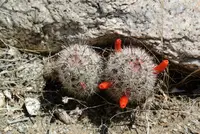
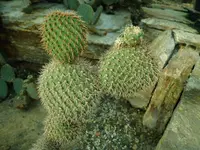
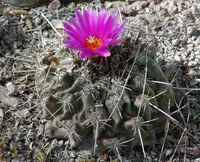
Mammillaria decipiens, commonly called bird's nest cactus, is a small, clustering cactus from arid regions of Mexico. It forms low, rounded mounds that resemble a spiny nest. Short, white to pale yellow spines hide much of the stem and help protect it from sun and moisture loss.

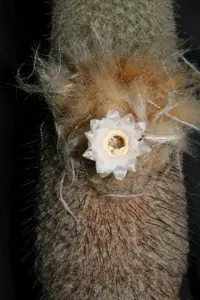
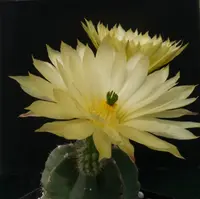
In spring to summer it often produces small white to pale cream flowers in a ring near the top of each stem. Its compact size and slow, tidy growth make it well suited to pots, windowsills, and small indoor collections.

This species prefers bright light, minimal watering, and very fast-draining soil, which makes it relatively simple for those learning how to care for Bird's Nest Cactus.

Main Plant Requirements

Care Difficulty

Easy Care

Light Preference

Full Sun

Water Requirements

Low Water

Temperature Preference

Warm Climate

Hardiness Zone

9–11

Soil Texture

Sandy, Loamy, Rocky

Soil pH

Slightly acidic (6.5–7.0), Neutral (7.0)

Soil Drainage

Well-drained

Fertilization

Minimal (feed rarely)

Get Personalized Care Plan

Scan your plant to receive care tips personalized for your specific plant

Available on iOS and Android

How to Care for the Bird's Nest Cactus

This small cactus prefers bright, direct sun but must adapt gradually to avoid scorch.

  • Provide 4–6 hours of direct morning sun plus bright light the rest of the day; light afternoon shade is helpful in very hot, dry climates.
  • Plant Mammillaria decipiens (Bird's Nest Cactus) in an open spot where nearby plants or structures do not block sun, but allow dappled shade in midsummer.
  • Pale, elongated stems indicate too little light, while yellowed, sunburned patches on the sunny side signal excessive, sudden exposure.

Watering should mimic brief desert rains followed by thorough drying.

  • Allow the top 3–5 cm of soil to dry completely before watering, then soak the root zone so excess drains away quickly.
  • In spring and summer, expect to water roughly every 10–21 days depending on heat, wind, and soil drainage; in winter, water lightly once every 4–6 weeks or not at all if kept cool.
  • Wrinkling and slight softening suggest underwatering, while blackened bases, mushy tissue, or a sour smell indicate overwatering and poor drainage for Mammillaria decipiens.

This species prefers warm, dry air and cool but not freezing winters.

  • Aim for 70–85°F (21–29°C) during active growth, with nights slightly cooler to support compact, healthy stems.
  • Protect from frost; brief dips to 32°F (0°C) may be survived if perfectly dry, but safer minimums are 40–45°F (4–7°C) to prevent tissue damage.
  • In hot spells above 95°F (35°C), increase airflow and provide light afternoon shade, as extreme heat with intense sun can cause stress and sunscald.

This cactus handles dry indoor air well and rarely needs extra humidity attention.

This species needs a very fast-draining, mineral-heavy substrate to prevent root rot.

  • Use a gritty mix such as 50% cactus potting mix with 50% mineral materials like pumice, perlite, and coarse sand.
  • Ensure the texture is loose and airy, with visible particles that do not compact after repeated watering.
  • Aim for slightly acidic to neutral pH around 6.0–7.0, avoiding heavy additions of peat that hold excess moisture.
  • Avoid fine, clay-heavy, or dense organic-rich soils that stay wet longer than 2–3 days after watering.

This species is well suited to container growing when excess moisture is controlled carefully.

  • Choose a wide, shallow pot that matches the shallow root system and reduces the risk of soggy lower layers.
  • Select unglazed terracotta if extra evaporation is needed in cooler or low-light situations to prevent prolonged dampness.
  • Use a pot with multiple drainage holes so heavy mineral mixes shed water quickly across the entire base.

Mammillaria decipiens benefits from light, controlled feeding rather than heavy fertilization.

  • Apply a diluted balanced liquid fertilizer (around 10-10-10 or 20-20-20 at 1/4 strength) every 4–6 weeks during spring–summer.
  • Use a cactus-specific or low-nitrogen formula to avoid soft, etiolated growth in this Bird's Nest Cactus.
  • Stop feeding in fall and winter to respect its natural rest period and reduce rot risk.
  • Avoid compost-rich mixes or slow-release pellets that stay moist and can burn the roots.

Mammillaria decipiens needs minimal pruning, focused on hygiene rather than shaping.

  • Best time is late spring or early summer, when growth is active and wounds seal faster.
  • Remove dead, diseased, or damaged stems and spent flowers with clean, sharp scissors or small pruning snips.
  • Cut away rotting or overcrowded offsets at the base to maintain airflow and a compact clumping form.
  • Disinfect tools before and after use to limit fungal and bacterial spread through fresh cuts.

This cactus prefers slightly tight pots and infrequent repotting to avoid unnecessary root disturbance.

  • Plan to repot every 3–4 years, or when roots circle the pot, emerge from drainage holes, or growth slows noticeably.
  • Repot in late spring, using a shallow container with excellent drainage and a gritty cactus mix.
  • Gently loosen the root ball, remove old soil, and trim only dead or mushy roots, keeping healthy roots intact.
  • After repotting, keep the plant dry for 5–7 days, then resume light watering to let wounds callus and reduce stress.

Mammillaria decipiens is commonly propagated from offsets and seeds under warm, bright conditions.

  • In late spring–summer, gently twist or cut off firm offsets at the base using a sterile knife.
  • Let cut surfaces dry and callus for 3–7 days before placing offsets on slightly moist, gritty cactus mix.
  • Provide bright, indirect light, warmth around 70–80°F, and very light watering until roots develop.
  • For seeds, sow on the surface of sterile, barely moist mix, cover lightly, and maintain warmth and high air humidity.

This cactus needs a cool, very dry winter rest and has low frost tolerance, especially in containers.

  • Keep indoor plants at 45–55°F with plenty of light and almost no water from late fall to early spring.
  • Move potted plants indoors before temperatures drop below 32°F, using the sunniest window available.
  • In mild climates, outdoor specimens benefit from a raised, sharply drained bed and a clear rain shield in winter.
  • Avoid fertilizing and heavy watering during winter, which can trigger rot in cold, dormant roots.

Care Tips

Rotate for symmetry

Turn the pot 90° every 2–3 weeks during active growth so the plant receives even light and develops a balanced, compact cushion rather than leaning toward the brightest side.

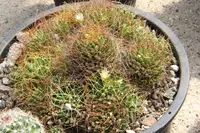
Use top dressing

Apply a 0.5–1 cm layer of clean grit or small decorative stones over the soil surface to keep the stem base dry, reduce algae growth, and improve air movement around the roots.

Winter rest management

From late fall to early spring, keep the plant in a brighter, cooler spot and almost completely dry to encourage flower bud formation and prevent weak, elongated growth.

Targeted pest checks

Inspect the woolly areoles and the base of stems with a magnifying glass every few weeks, as mealybugs often hide in these areas, and treat early with an alcohol-dipped cotton swab if any are found.

Safe repotting technique

When repotting, wrap the plant in folded newspaper or use kitchen tongs padded with foam to avoid damaging spines and tissue, then gently tease out old soil so the radial root system can spread evenly in the new pot, which supports healthier Mammillaria decipiens plant care.

Common Pests and Diseases

Mealybugs

This pest appears as white, cottony clusters tucked between tubercles, around areoles, and at the stem base. Symptoms include slow growth, yellowing, and sticky honeydew on nearby surfaces.

Solution

Isolate the plant, then remove visible insects with a cotton swab dipped in 70% isopropyl alcohol, repeating weekly until gone. Improve light and air movement, and for heavier infestations use a ready-to-use insecticidal soap or neem oil spray, keeping the plant dry and shaded until tissue recovers.

Red spider mites

These insects are tiny and often invisible to the eye, but cause a dull, dusty look to stems, fine webbing, and pale speckling on the cactus surface. Damage is more common in hot, very dry indoor conditions.

Solution

Rinse the plant thoroughly with a strong but controlled stream of water, then apply insecticidal soap or a miticide labeled for houseplants, repeating after 7–10 days. Raise humidity slightly around the plant without wetting the soil, and avoid placing the cactus directly over heating vents to help prevent reinfestation.

Scale insects

This pest forms small, hard, brown or gray bumps along ribs, tubercles, and at the plant base. Symptoms include patchy yellowing, localized shriveling, and sticky honeydew that can lead to sooty mold on nearby surfaces.

Solution

Gently scrape or pry off individual scales with a toothpick or soft brush, then dab remaining spots with 70% isopropyl alcohol. For persistent problems, use a systemic insecticide formulated for cacti and succulents, and inspect regularly so colonies are removed before they spread.

Corky stem lesions

This disease presents as localized tan to brown, rough, cork-like patches rather than smooth, even age-related corking. Symptoms include irregular scarring around the base or on one side of the stem, sometimes following minor wounds or sun stress.

Solution

Remove any soft, dark, actively spreading tissue with a sterile knife, cutting back to firm, healthy flesh, and keep the plant dry in bright, indirect light until the wound calluses. Improve drainage, avoid overhead watering, and protect from intense midday sun to reduce future stress-related lesions and secondary infection.

Soft bacterial rot

This disease causes suddenly soft, watery, and foul-smelling areas on the stem, often starting from a wound or from water trapped between tubercles. Symptoms include collapse of affected sections and rapid spread in warm, wet conditions.

Solution

Cut away all mushy tissue with a sterile blade until only firm, healthy tissue remains, dust cuts lightly with sulfur or cinnamon, and allow the plant to dry in a warm, airy spot for several days before very light watering. If the main stem is severely affected, salvage any firm offsets or healthy sections as cuttings and re-root them in dry, fast-draining cactus mix, following Mammillaria decipiens plant care best practices to avoid overwatering.

Interesting Facts

Multiple subspecies diversity

This species is taxonomically complex and includes several recognized subspecies that differ in spine length, clustering habit, and flower size, reflecting fine-scale adaptation to different microhabitats in central Mexico.

Sun-reactive flower color

Its cream to pale yellow flowers often show a reddish or pinkish midstripe on the petals that becomes more pronounced with strong light exposure, a visual cue that helps attract specific pollinators in its rocky habitats.

Shallow rock-crevice roots

In its native limestone outcrops, it anchors itself in very shallow rock crevices, with roots adapted to quickly absorb brief rainfall and tolerate long dry intervals in extremely thin, mineral soils.

Botan icon

Did you know?

In the wild, dense cushions formed by this species often trap wind-blown dust and organic particles between its tubercles, gradually creating tiny pockets of soil that allow small annual plants and mosses to establish around and within the cactus clumps, subtly shaping local microhabitats.

FAQs about Bird's Nest Cactus

Lack of flowers usually comes from insufficient light, no cool dry winter rest, or excess nitrogen fertilizer. Provide bright light, a slightly cooler, drier winter period, and avoid heavy feeding to encourage bud formation and regular spring–summer flowering.

Grow Healthy Plants with Botan Care

Keep your plants happy and healthy with plant identification, disease detection, and easy care guidance.

Botan plant care app — identify plants on mobile

Explore More Plants