Use mineral mulch
Apply a 2–3 cm top layer of coarse gravel or pumice around the base to keep pads dry at the soil line, reduce rot risk, and discourage weeds without trapping excess moisture.

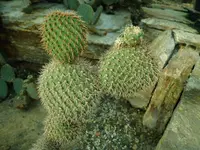
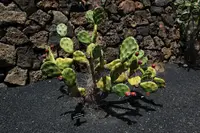
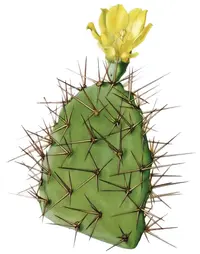
Opuntia pycnantha is a branching, shrubby cactus known for its flattened, oval pads and dense covering of long yellow spines. It forms low, wide clumps rather than tall columns.
This species is native to arid regions of Australia, where it thrives in hot, dry, and open habitats. Its thick pads store water, allowing the plant to tolerate drought and poor, stony soils.
The main challenge in how to care for Opuntia pycnantha is managing its strong spines and avoiding overwatering. It generally prefers bright sun, very well-drained soil, and minimal moisture once established.

Care Difficulty
Easy Care

Light Preference
Full Sun

Water Requirements
Low Water

Temperature Preference
Warm Climate

Hardiness Zone
9–11

Soil Texture
Sandy, Rocky, Loamy

Soil pH
Slightly acidic (6.5–7.0), Neutral (7.0)

Soil Drainage
Well-drained

Fertilization
Minimal (feed rarely)
Scan your plant to receive care tips personalized for your specific plant
Available on iOS and Android
This cactus thrives in strong sun but still benefits from some protection in extreme conditions.
This species is highly drought-tolerant and prefers infrequent, deep watering in fast-draining soil.
This cactus prefers warm, arid conditions and handles heat better than cold.
This cactus handles dry indoor air well and rarely needs special humidity management.
Soil for Opuntia pycnantha must be very fast-draining and mineral-heavy to prevent root rot.
This species is well suited to container growing when the pot and setup control excess moisture and support its spreading pads.
This drought-adapted cactus needs only light feeding, especially when grown in poor, sandy soils.
Pruning is mainly corrective and for access, as this species naturally forms a spreading clump.
This cactus is usually grown in the ground, so focus on careful outdoor transplanting or infrequent pot ups.
New plants are most commonly produced from pad cuttings rather than by seed for this species.
This cactus has some cold tolerance but benefits from basic winter precautions in regions with frost.

Plant Health Check
Not sure what's wrong with your plant? Check your plant's health inside the app.
This species is naturally restricted to coastal and near-coastal areas of the Western Cape in South Africa, occurring mainly on rocky slopes and granite outcrops rather than across the wider Cape Floristic Region.
Its cladodes (flattened stem segments) carry closely packed, yellowish spines arising from areoles that are often surrounded by a conspicuous pale halo, giving the pads a visibly speckled, armed appearance even from a distance.
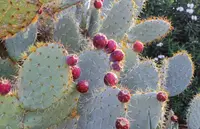
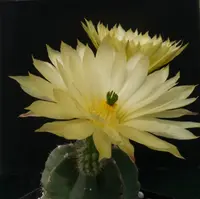
It produces bright yellow flowers followed by relatively small, ovoid fruits that tend to remain more elongated and less fleshy than those of many cultivated prickly pear relatives, making it of limited interest as an edible fruit crop.
This species performs best outdoors in hot, bright, dry climates, where it can develop full pads and normal flowering. Indoors it often grows slowly and becomes etiolated, so Opuntia pycnantha indoor care is generally considered challenging long term.
Keep your plants happy and healthy with plant identification, disease detection, and easy care guidance.