Opuntia quimilo Care

Opuntia quimilo

About Opuntia quimilo

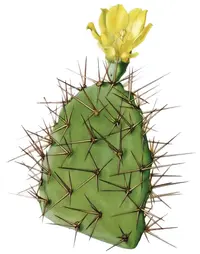
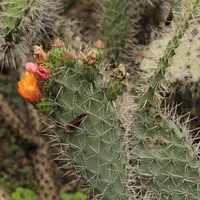
Opuntia quimilo is a columnar prickly pear cactus native to arid regions of Argentina. It forms tall, tree-like plants with flat, paddle-shaped segments and strong spines. Mature specimens can develop a clear trunk with branching pads above, giving a sculptural, architectural look that suits dry gardens and large containers. This species is adapted to high light, heat, and drought, which makes it resilient when kept on the dry side in well-drained, sandy soil. For anyone learning how to care for Opuntia quimilo, its main needs are strong sun, infrequent watering, and protection from prolonged winter wet.

Main Plant Requirements

Care Difficulty

Easy Care

Light Preference

Full Sun

Water Requirements

Low Water

Temperature Preference

Warm Climate

Hardiness Zone

9–11

Soil Texture

Sandy, Loamy, Rocky

Soil pH

Slightly acidic (6.5–7.0), Slightly alkaline (7.0–7.5)

Soil Drainage

Well-drained

Fertilization

Minimal (feed rarely)

Get Personalized Care Plan

Scan your plant to receive care tips personalized for your specific plant

Available on iOS and Android

How to Care for the Opuntia quimilo

This desert cactus needs strong light to form sturdy pads and spines.

  • Provide 6–10 hours of direct sun daily; full sun is ideal in most dry, open sites, especially morning and early afternoon light.
  • Young or newly transplanted Opuntia quimilo benefits from 1–2 weeks of bright, filtered light to harden off and reduce sunburn risk before full exposure.
  • In very hot regions, protect from harsh late-afternoon sun with light shade; insufficient sun causes thin, elongated pads and weak growth.

This species is highly drought-tolerant and stores water in its pads.

  • Let soil dry completely between waterings; in typical desert or dry garden conditions, natural rainfall often suffices once plants are established.
  • When growing in deeper, well-drained soil, water only when the top 5–8 cm are bone dry, then soak thoroughly so water drains quickly away from the roots.
  • In cool or winter periods, reduce or stop supplemental watering; signs of overwatering include yellowing, soft pads, while deep wrinkling suggests prolonged drought stress.

This cactus prefers warm, dry conditions with pronounced seasonal temperature shifts.

  • Optimal growth occurs around 70–90°F (21–32°C), with good tolerance of dry heat up to about 100–105°F (38–41°C) if soil drainage is excellent.
  • It copes with brief drops near 25–28°F (-4 to -2°C) if pads are dry, but repeated hard freezes damage tissue and can kill young plants.
  • In cooler climates, position plants where winter lows stay above 32°F (0°C) or provide protection from frost, cold wind, and prolonged freezing, especially for potted specimens.

This cactus thrives in dry air and rarely needs humidity adjustment indoors.

  • Target 20–50% relative humidity, similar to most heated or air-conditioned homes.
  • Dry air is usually tolerated, but persistently above 70% can promote rot, especially in cool conditions.
  • Humidity stress appears as soft, waterlogged pads or black spots, reduced by stronger airflow and allowing the potting mix to dry fully.

Soil for Opuntia quimilo must be very fast-draining and highly aerated to prevent root and pad rot.

  • Use a gritty mix such as 50–70% mineral material (pumice, coarse sand, small gravel) with 30–50% cactus potting mix.
  • Aim for slightly acidic to neutral pH around 6.0–7.2, avoiding strongly acidic or alkaline substrates that limit nutrient availability.
  • Improve drainage and aeration by avoiding fine peat-heavy mixes that stay wet and instead adding larger particles that create air pockets.
  • Do not use dense garden soil, clayey substrates, or containers without sharp drainage, as these hold water around roots for too long.

This species is suitable for container growing when the pot is chosen to manage its size and weight.

  • Choose a wide, heavy pot to counterbalance tall, pad-heavy growth and reduce tipping in wind or on balconies.
  • Select unglazed terracotta if extra evaporation is needed in humid or cool climates to reduce the risk of root rot.
  • Use a shallow to medium-depth container that matches the relatively shallow root system, avoiding unnecessarily deep pots that trap moisture at the bottom.

This cactus grows well in lean soils but benefits from light feeding during the warm growing season.

  • Apply a diluted balanced liquid fertilizer (around 10-10-10) at 1/4–1/2 strength every 4–6 weeks in late spring and summer.
  • Use a cactus-specific or low-nitrogen formula; avoid high nitrogen that encourages weak, overly lush pads.
  • Skip compost-rich mixes and do not fertilize dry soil; water lightly first, then apply fertilizer solution.
  • Stop feeding Opuntia quimilo in fall and winter to allow full dormancy and prevent soft, frost-prone growth.

This species needs minimal pruning, mainly for safety, shape, and plant health.

  • Plan light pruning in late spring or early summer, once the risk of frost has passed.
  • Remove dead, diseased, storm-damaged, or crossing pads using long-handled, sharp pruners or a clean knife.
  • Cut pads at the joint, avoiding tearing tissue, to keep a clean outline and manage plant height or spread.
  • Disinfect tools before and after working on Opuntia quimilo to reduce the risk of spreading fungal or bacterial issues.

Container-grown plants may need infrequent repotting, while garden specimens are usually transplanted only when necessary.

  • Look for roots circling the pot drainage holes, slow growth, or frequent tipping as signs repotting is needed.
  • Plan repotting or transplanting in late spring to early summer, every 3–5 years for potted plants.
  • Wear thick gloves, wrap pads in folded newspaper, and keep the root ball as intact as possible to limit stress.
  • Place Opuntia quimilo in a slightly larger pot or new site with very free-draining, gritty soil, then keep dry for 5–7 days before light watering.

This cactus is most commonly propagated from pad cuttings, with seeds used mainly for larger-scale growing.

  • Take healthy, mature pads in late spring or early summer, cutting cleanly at the joint with sterile tools.
  • Allow cut pads to dry and callus for 7–14 days in a shaded, airy place to reduce rot risk.
  • Set the callused end 2–3 cm deep in dry, gritty cactus mix, then water sparingly once roots begin forming.
  • For seed propagation of Opuntia quimilo, use fresh seed in warm conditions (70–80°F) and very free-draining substrate, keeping just slightly moist.

This cactus is moderately cold tolerant but benefits from dry, sheltered conditions in winter, especially in wet or very cold climates.

  • In-ground plants in mild, dry regions may tolerate brief light frosts if soil drains very well.
  • Mulch lightly with gravel or coarse sand around the base to keep the crown dry, not to insulate with moisture-holding material.
  • Move containers under a roof, into an unheated greenhouse, or indoors to a bright, cool spot above about 35–40°F.

Care Tips

Stabilize Tall Pads

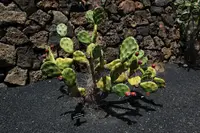
As the plant gains height, anchor heavy pads with discreet stakes or a low wire frame so wind or accidental bumps do not snap joints at the narrow segments.

Encourage Upright Form

Remove new pads that emerge at very low or awkward angles and keep only those that grow upward, which helps build a strong, columnar structure less prone to breakage.

Use Mineral Mulch

Apply a 2–3 cm top layer of coarse gravel or pumice around the base to keep pads dry at soil level, reduce rot risk, and moderate surface temperature in full sun.

Dry-Season Root Check

At the end of a dry period, gently probe the top 3–5 cm of soil around the plant to confirm that fine feeder roots remain firm and white, which helps detect early rot or overwatering damage before pads show symptoms.

Safe Pad Handling

When transplanting or propagating, handle pads only with thick folded newspaper or barbecue tongs and work at arm’s length, which prevents tiny spines (glochids) from embedding in skin during caring for Opuntia quimilo.

Common Pests and Diseases

Cochineal scale

This pest forms dense, white, cottony clusters on pads and can turn them grayish as it feeds on plant sap. Symptoms include sticky residue and weakened, discolored pads.

Solution

Physically remove colonies with a strong jet of water or by wiping pads with cotton soaked in 70% isopropyl alcohol, then repeat weekly until no new spots appear. For outdoor plants with severe infestations, use a labeled horticultural soap or light horticultural oil, applied in the cool part of the day to avoid pad burn.

Opuntia mealybug

These insects hide in pad joints and roots, producing white, wool-like masses and causing stunted growth and pad yellowing. Symptoms include distorted new pads and slow decline despite adequate light and water.

Solution

Expose and rinse infested areas thoroughly with water, then dab visible clusters with 70% isopropyl alcohol to break down their protective coating. For recurring problems, repot in fresh, well-draining cactus mix, discard heavily infested soil, and treat above- and below-ground parts with a systemic or contact insecticide labeled for mealybugs on cacti, following all label directions.

Cactus longhorn beetle

This pest chews large notches in pads and its larvae tunnel inside, leading to collapse of individual pads or whole segments. Symptoms include irregular bite marks, sawdust-like frass, and sudden pad shriveling or detachment.

Solution

Hand-pick adult beetles at dusk or night when they are most active and destroy any heavily tunneled pads, cutting well into healthy tissue and disposing of affected material off-site. Reduce habitat by removing plant debris around the base and, in high-pressure areas, use protective barriers or screens to limit beetle access to young plants.

Black spot lesion

This disease causes small, dark, sunken spots on pads that may enlarge and coalesce into rough, corky patches. Symptoms include localized tissue death, sometimes with a slightly raised, scabby surface on older lesions.

Solution

Cut out or carefully slice away badly affected pad sections with a sterile knife, then allow the wound to dry and callus in a dry, bright but not scorching location. Improve air movement, avoid overhead watering, and in humid regions consider a copper-based fungicide at labeled intervals when new lesions appear.

Soft rot (bacterial)

This disease produces water-soaked, mushy areas on pads that can quickly collapse and emit a foul odor, often entering through wounds caused by cold, insects, or mechanical injury. Symptoms include rapid tissue breakdown starting from a damaged spot and spreading through the pad.

Solution

Immediately remove and discard affected pads well into firm, healthy tissue using sterilized tools, and keep the plant in a dry, warm, well-ventilated location to halt spread. Avoid wounding, protect from excessive rain or overhead irrigation, and allow any future cuts or damage to dry fully before exposing the plant to moisture as part of general Opuntia quimilo care instructions.

Interesting Facts

Massive arborescent cactus

This species can develop a tree-like structure with a woody trunk and a branched crown several meters tall, making it one of the more imposing prickly pears in its native range in northern Argentina.

Strongly dimorphic spines

Its pads bear both long, stiff, yellowish central spines and dense clusters of tiny, barbed glochids, an effective dual defense system against large herbivores and smaller animals.

Specialist dry-forest native

It is naturally found in the dry Chaco region, where it is adapted to hot, highly seasonal conditions with intense sun, poor soils, and long dry periods, and contributes to local woodland structure and habitat complexity.

FAQs about Opuntia quimilo

Growth is moderate for a cactus. In warm, dry climates it often adds 10–30 cm of height per year, taking 5–10 years to form a substantial shrub or small tree under good conditions.

Grow Healthy Plants with Botan Care

Keep your plants happy and healthy with plant identification, disease detection, and easy care guidance.

Botan plant care app — identify plants on mobile

Explore More Plants