Pad stabilization
In windy or high-traffic areas, anchor new pads with short bamboo stakes and soft ties for 1–2 growing seasons to prevent mechanical breakage at the joints while roots establish.

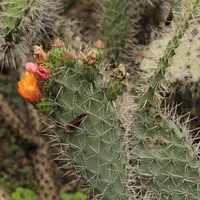
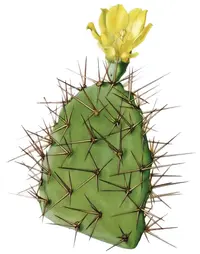
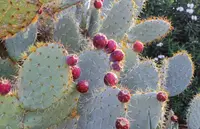
Opuntia soederstromiana is a shrubby prickly pear cactus with flat, jointed pads and sparse but sharp spines or bristles. It forms low, spreading clumps that can gradually cover ground over time. This species is native to arid and semi-arid regions of South America, where it grows in rocky, well-drained soils with intense sun and low rainfall. Its drought tolerance and slow, steady growth make it a relatively low-maintenance choice for dry gardens and container culture. Those learning how to care for Opuntia soederstromiana mainly need to focus on strong light, very well-drained mineral-rich soil, and avoiding overwatering, especially in cool conditions.

Care Difficulty
Easy Care

Light Preference
Full Sun

Water Requirements
Low Water

Temperature Preference
Warm Climate

Hardiness Zone
9–11

Soil Texture
Sandy, Loamy, Rocky

Soil pH
Slightly acidic (6.5–7.0), Slightly alkaline (7.0–7.5)

Soil Drainage
Well-drained

Fertilization
Minimal (feed rarely)
Scan your plant to receive care tips personalized for your specific plant
Available on iOS and Android
This cactus prefers strong, direct light similar to its native arid habitats.
Watering should mimic infrequent desert rains with thorough drying between soakings.
This species thrives in warm, dry climates and tolerates a fairly wide temperature range.
This cactus handles typical indoor humidity well and rarely needs adjustment.
This species prefers very fast-draining, mineral-based soil that dries quickly between waterings.
This species is suitable for container growing when the pot is chosen to support its shallow but spreading root system.
This cactus needs minimal feeding but benefits from light nutrition during active growth for balanced Opuntia soederstromiana plant care.
Pruning is mainly for safety, space control, and plant health rather than for stimulating growth in Opuntia soederstromiana.
Container-grown plants and young clumps benefit from occasional transplanting to maintain healthy roots and stable growth.
This species is most commonly multiplied from pad cuttings, which root reliably in warm, dry conditions.
Mature plants are fairly cold tolerant but still benefit from thoughtful winter management, especially in containers.

Plant Health Check
Not sure what's wrong with your plant? Check your plant's health inside the app.
This species is native to dry inter‑Andean valleys of Ecuador and nearby regions, where it grows on rocky slopes and disturbed sites instead of true deserts, tolerating a pronounced seasonal dry period.
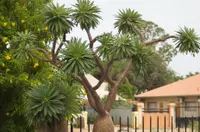
Mature plants can develop a distinct trunk with branched upper pads, giving a small tree or arborescent shape rather than remaining a low, sprawling cactus.
In its native range, birds and small mammals feed on its fleshy fruits and sometimes on young pads, helping disperse its seeds across open, seasonally dry landscapes.
This species performs best outdoors in full sun and open air, where it develops firm pads and natural shape. Indoors it often becomes etiolated and weak, so Opuntia soederstromiana indoor care is usually less successful long term.
Keep your plants happy and healthy with plant identification, disease detection, and easy care guidance.