prickly pear Care (Opuntia sulphurea)

prickly pear

About prickly pear

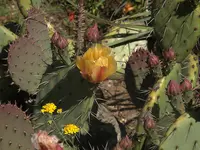
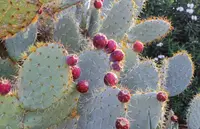
Opuntia sulphurea is a low-growing prickly pear cactus with flat, rounded pads covered in spines and fine, hair-like glochids. It forms clumps that slowly spread over time. Native to arid regions of South America, it is adapted to strong sun, poor soils, and long dry periods. This makes it naturally drought-tolerant and generally low maintenance once established. The plant prefers very well-draining, sandy or rocky soil and plenty of light. Its main challenges are rot from excess moisture and handling risks from the sharp spines, which influence how to care for prickly pear in home gardens.

Main Plant Requirements

Care Difficulty

Easy Care

Light Preference

Full Sun

Water Requirements

Low Water

Temperature Preference

Warm Climate

Hardiness Zone

8–11

Soil Texture

Sandy, Loamy, Rocky

Soil pH

Slightly acidic (6.5–7.0), Slightly alkaline (7.0–7.5)

Soil Drainage

Well-drained

Fertilization

Minimal (feed rarely)

Get Personalized Care Plan

Scan your plant to receive care tips personalized for your specific plant

Available on iOS and Android

How to Care for the prickly pear

Opuntia sulphurea thrives in strong, direct sun typical of arid, open landscapes.

  • Provide 6–10 hours of direct sun daily, ideally with full morning and mid-day exposure in an open, unshaded site.
  • Tolerates light afternoon shade in very hot climates, but deep or all-day shade causes thin, etiolated pads and weak growth.
  • Newly planted prickly pear benefits from 1–2 weeks of bright, filtered sun before full exposure to reduce sunscald risk on tender pads.

This cactus evolved for dry climates and prefers infrequent, deep watering with thorough drying between events.

  • Water only when the top 5–8 cm of soil are completely dry; in hot, dry weather this may mean every 2–4 weeks, less often in cool seasons.
  • Use very fast-draining, gritty soil and sloped or raised sites so water never pools around the roots after rain or irrigation.
  • Overwatering shows as yellowing, soft, or wrinkling pads at the base; underwatering shows as slow, firm pad shriveling without softness.

This species is adapted to wide temperature swings but still has clear limits for safe growth.

  • Best growth occurs around 70–90°F (21–32°C), with warm, dry air and strong sun during the main growing season.
  • Established plants tolerate brief drops to about 20°F (-6°C) if soil is dry, but repeated hard freezes greatly increase rot risk.
  • Handles extreme summer heat up to 100–110°F (38–43°C) if soil drains well, with no standing water during hot periods.

Opuntia sulphurea handles low humidity well and rarely needs special humidity management.

Opuntia sulphurea prefers very fast-draining, mineral-based soil that prevents water from remaining around the roots.

  • Use a gritty mix such as 60–70% mineral components (pumice, coarse sand, gravel) with 30–40% cactus potting mix.
  • Aim for slightly acidic to neutral pH around 6.0–7.2 to support nutrient uptake without stressing roots.
  • Ensure the mix feels loose and crumbly; break up fine peat or compacted material that can hold water around the root zone.
  • Avoid heavy clay, straight compost, or moisture-retentive mixes that stay wet longer than 1–2 days after watering.

This species grows well in containers when given a stable, very free-draining setup.

  • Choose a wide, low container to support the spreading pads and reduce tipping in windy spots.
  • Select unglazed terracotta if possible, as it allows faster evaporation and helps keep the root zone dry.
  • Elevate the pot slightly on feet or bricks so drainage holes never sit directly in collected water.

This drought-adapted prickly pear needs only light, infrequent feeding in containers or poor soils.

  • Use a dilute balanced cactus fertilizer (around 10-10-10) or slow-release granules at 1/2 strength.
  • Feed once in early spring and again in mid-summer during active growth, then stop.
  • Do not fertilize in fall or winter, when growth slows and the plant rests.
  • Avoid high-nitrogen products, which cause soft, weak pads more prone to rot.

Pruning Opuntia sulphurea is mainly done to control size, improve shape, and remove damaged pads.

  • Choose late spring or early summer, after frost risk, so wounds dry in warm, dry air.
  • Remove dead, diseased, or crowded pads at the joint using long-handled pruners or a sharp knife.
  • Thin congested areas to let light and air reach inner pads, improving vigor and flowering.
  • Allow cut surfaces to callus and discard removed pads safely to avoid unwanted spreading.

Transplanting is infrequent and mainly needed when plants outgrow their space or containers.

  • Look for roots circling the pot, slow growth despite good light, or pads pressing hard against nearby plants.
  • Plan moves for late spring to early summer, about every 3–5 years for container plants.
  • Water lightly 3–5 days before moving, then let soil dry so roots handle disturbance better.
  • Lift the plant with thick gloves, keep the root ball as intact as possible, replant in sharply drained soil, and avoid heavy watering for 7–10 days.

Propagation is commonly done from pad cuttings and, less often, from seed.

  • Take healthy pads in late spring or early summer and cut cleanly at the joint with a sterile knife.
  • Let cut pads dry and callus for 5–10 days in a shaded, airy place before planting.
  • Insert pads upright in gritty, almost dry cactus mix and keep at 70–80°F with bright light.
  • For seeds, use a fast-draining mix, maintain light moisture, and provide warmth for gradual germination.

Mature plants are fairly cold tolerant but benefit from simple winter precautions, especially in containers.

  • Established plants often tolerate light, brief frosts but can suffer pad damage in prolonged freezes.
  • Apply a 5–8 cm layer of mineral mulch or gravel around the base in fall to buffer root temperatures.
  • Move potted plants to an unheated, bright, frost-free space and keep almost dry over winter.
  • Brush heavy snow or ice off pads gently to reduce breakage and rot.

Care Tips

Use deep containers

For potted plants, use a deep, heavy container at least 25–30 cm tall to anchor the root system and reduce the risk of the plant toppling as pads get larger and heavier.

Gravel mulch layer

Apply a 2–3 cm layer of coarse mineral mulch such as gravel, pumice, or crushed lava rock on the soil surface to keep pads dry near the base and reduce stem rot and weed competition.

Pad orientation control

When planting new pads, orient the broad faces north–south so both sides receive similar light, which helps prevent lopsided growth and sunscald on young tissue.

Winter moisture shielding

In regions with wet winters, place a simple sloped cover made from clear plastic or a cold frame roof over outdoor plants to keep the crown and roots dry while still allowing full light.

Safe pad handling

Handle pads only with long-handled tongs or folded newspaper and keep a roll of duct tape or a cosmetic adhesive strip nearby to lift out fine glochids from skin, which is a practical safety step when caring for prickly pear.

Everything About prickly pear

Common Pests and Diseases

Cochineal scale

This pest appears as white, cottony clusters on pads and in areoles, often staining the surface with reddish dye when crushed. Symptoms include yellowing pads, reduced vigor, and sticky residue attracting ants.

Solution

Physically remove clusters with a strong jet of water, then wipe affected pads with cotton soaked in 70% isopropyl alcohol to dissolve the waxy coating. For larger infestations, apply a contact insecticidal soap or horticultural oil labeled for cacti on a dry, shaded day and repeat after 7–10 days if needed.

Opuntia cactus bug

This pest, a sap-sucking true bug, causes pitted, corky spots and localized pad collapse where it feeds. Symptoms include discolored patches that may turn brown or sunken over time.

Solution

Handpick visible adults and nymphs in early morning when they move slowly, and prune and discard heavily damaged pads. Encourage natural predators and, if needed, target young nymphs with insecticidal soap applied thoroughly to pad surfaces while avoiding use during intense sun to prevent scorch.

Nematode galls

This disease is caused by plant-parasitic nematodes that feed on the roots, forming galls and reducing water uptake. Symptoms include stunted growth, poor pad development, and low vigor despite adequate light and watering.

Solution

Remove and discard severely affected plants and avoid replanting cacti in the same soil. For mild cases, lift the plant, trim the most affected roots, replant in fresh, well-draining mineral soil, and rotate planting sites if growing prickly pear outdoors in beds with a history of nematodes.

Pad soft rot

This disease starts as water-soaked, soft areas on pads that may ooze and quickly turn dark and foul-smelling. Symptoms include rapid pad collapse, especially after mechanical injury or prolonged wetness.

Solution

Cut out affected tissue well into healthy, firm tissue with a sterile knife and discard infected material, then keep the plant completely dry and well ventilated until wounds callus. Avoid overhead watering, protect pads from hail or mechanical damage, and maintain very sharp drainage to limit bacterial spread.

Fungal leaf spots

This disease produces small, dark, sunken lesions on pads that can coalesce into larger, corky spots under humid or rainy conditions. Symptoms include cosmetic scarring and, in severe cases, weakening of affected segments.

Solution

Prune and discard heavily spotted pads, disinfecting tools between cuts, and improve air circulation by spacing plants and keeping pads dry. In wet climates or prolonged rainy periods, use a copper-based fungicide labeled for cacti as a preventive spray, applying lightly and allowing pads to dry fully between treatments.

Interesting Facts

Sulfur-yellow flower pads

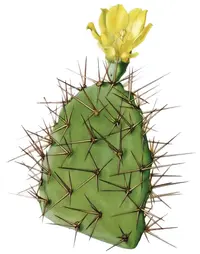
This species develops showy sulfur-yellow flowers that arise directly from the flat, spiny pads, a color tone that helps distinguish it from many other South American opuntias with more common orange or red hues.

High Andean specialist

It naturally occurs in high, dry regions of the central and southern Andes of Argentina and nearby areas, where it tolerates strong solar radiation, intense winds, and poor, stony soils.

Defensive glochid armor

The pads carry both long spines and dense clusters of tiny barbed hairs called glochids, which are particularly abundant and irritating in this species, providing strong protection against grazing animals in its native range.

Botan icon

Did you know?

In some Andean localities this cactus forms compact, low-growing cushions that help reduce heat loss and protect its tissues from ground-level temperature extremes, a growth form considered an adaptation to cold, arid, high-elevation environments.

FAQs about prickly pear

Lack of blooms usually comes from insufficient light, plants that are still too young, or excess nitrogen fertilizer. Cool, dry winter rest and strong sun in the growing season help trigger flowering in mature pads.

Grow Healthy Plants with Botan Care

Keep your plants happy and healthy with plant identification, disease detection, and easy care guidance.

Botan plant care app — identify plants on mobile

Explore More Plants