Mammillaria zeilmanniana Care

Mammillaria zeilmanniana

About Mammillaria zeilmanniana

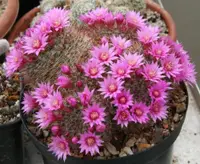
Mammillaria zeilmanniana is a small globular cactus, often forming tight clusters of rounded stems covered in neat, white spines. It is best known for its bright magenta flowers that circle the stem in a ring, giving a decorative, tidy appearance.

This species is native to arid regions of central Mexico, where it grows on rocky slopes and well-drained soils. Its compact size and slow growth make it suitable for containers and windowsills.

The plant prefers bright light, low to moderate watering, and gritty, fast-draining soil. Its drought tolerance and modest care needs help explain how to care for Mammillaria zeilmanniana in typical home conditions.

Main Plant Requirements

Care Difficulty

Moderate Care

Light Preference

Full Sun

Water Requirements

Low Water

Temperature Preference

Tropical / Frost Sensitive

Hardiness Zone

10–11

Soil Texture

Sandy, Loamy, Rocky

Soil pH

Slightly acidic (6.5–7.0), Neutral (7.0)

Soil Drainage

Well-drained

Fertilization

Minimal (feed rarely)

Get Personalized Care Plan

Scan your plant to receive care tips personalized for your specific plant

Available on iOS and Android

How to Care for the Mammillaria zeilmanniana

This small cactus thrives with bright, direct light but needs protection from extreme midday intensity in hot climates.

  • Provide 4–6 hours of direct morning sun plus bright indirect light for the rest of the day for compact, healthy growth of Mammillaria zeilmanniana.
  • In very hot regions, give filtered or dappled light from midday to late afternoon to prevent yellowing, corky patches, or sunburn scars on the skin.
  • Insufficient light causes stretched, elongated growth and fewer flowers, so move the plant gradually to a brighter position, especially in late winter and early spring.

This cactus prefers thorough but infrequent watering that allows the soil to dry well between soakings.

  • During active growth in spring and summer, water only when the top 3–5 cm of soil are completely dry, then soak thoroughly and let all excess drain away.
  • In autumn, extend the drying period; in winter, water sparingly or not at all if kept cool, to support a dry rest period for Mammillaria zeilmanniana.
  • Watch for soft, yellowing stems or a sour smell as signs of overwatering, and shriveling or deep wrinkling as signals that a careful, deep watering is needed.

This species prefers warm, dry conditions with a cooler, drier rest in winter.

  • Aim for 70–85°F (21–29°C) during active growth, with good air movement to prevent heat buildup around the stems.
  • Protect the plant from frost; brief exposure down to 40–45°F (4–7°C) may be tolerated if kept dry, but growth stops below about 55°F (13°C).
  • In hot spells above 95°F (35°C), shade the plant during midafternoon and avoid overhead watering to reduce heat stress and tissue damage.

This cactus handles typical indoor humidity well and rarely needs special adjustments.

  • Target 30–50% humidity, similar to average home air, without deliberate humidifying.
  • Dry air is usually tolerated, but combined with heat it may cause slight stem shriveling and slower growth.
  • If shriveling worsens despite correct watering, move Mammillaria zeilmanniana away from heating vents to reduce extra moisture loss.

This species needs a very fast-draining, mineral-based mix that dries quickly between waterings.

  • Use a gritty blend such as 40% cactus potting mix with 60% mineral material like pumice, coarse sand, and small lava rock.
  • Aim for pH 6.0–7.5, which supports nutrient availability without encouraging rot organisms.
  • Increase aeration by avoiding fine peat-based mixes that compact; coarse particles should dominate the texture.
  • Avoid dense, water-retentive garden soil or unamended all-purpose potting mix, which traps moisture around roots and stem base.

This compact cactus is well suited to container culture.

  • Choose a shallow, wide pot so the relatively small root system anchors the plant without leaving large volumes of unused, wet mix.
  • Unglazed terracotta is helpful because it wicks moisture from the mix and shortens drying time after watering.
  • Place the container where it cannot be knocked over, since a heavy mineral mix in a small pot can make it unexpectedly top-heavy.

This small cactus benefits from modest feeding to support flowering but does not need rich soil.

  • Use a diluted balanced cactus fertilizer (around 10-10-10) or low-nitrogen succulent feed at 1/4–1/2 strength.
  • Apply every 4–6 weeks during active growth in spring and summer on pre-watered soil.
  • Avoid organic compost that stays wet, as it can increase rot risk in the root zone.
  • Stop feeding Mammillaria zeilmanniana in fall and winter to allow proper dormancy.

Pruning needs are minimal and focus on health and safety rather than shaping.

  • Best timing is late spring to summer when the plant is actively growing and wounds seal faster.
  • Remove only dead, diseased, or rotting stems and any collapsed or heavily scarred tissue.
  • Use long tweezers or tongs and a sterile, sharp blade to avoid damaging healthy tubercles.
  • Light removal of badly placed offsets can slightly improve airflow but does not strongly change plant shape.

This cactus prefers a stable root environment and only occasional repotting in a well-drained mix.

  • Repot every 3–4 years or when roots circle the pot base, drainage slows, or growth becomes stunted.
  • Plan repotting in late winter to early spring before strong new growth starts for lower stress.
  • Use a pot just 1–2 cm wider, with gritty cactus mix, keeping the root ball as intact as possible.
  • Let roots dry 3–5 days after repotting before the first light watering to reduce rot risk for Mammillaria zeilmanniana.

Propagation is commonly done from offsets and seeds under warm, bright, and dry-leaning conditions.

  • Detach firm offsets in late spring, allowing cut surfaces to callus for several days before potting.
  • Set offsets in barely moist, gritty cactus mix at 70–80°F with bright, indirect light to encourage rooting.
  • Sow seeds on the surface of sterilized, fine cactus substrate, keeping it slightly moist and covered for humidity.
  • Ventilate seed trays gradually to prevent damping-off, then increase light once seedlings develop several spines.

Winter care focuses on keeping this cactus cool, very dry, and fully frost-free.

  • Mammillaria zeilmanniana is not reliably frost hardy and should stay above 40°F, ideally 45–55°F in winter.
  • Move container plants indoors to a bright, cool window or an unheated, frost-free room.
  • Stop watering or give only tiny sips every 4–6 weeks to prevent root rot in cold conditions.
  • Ensure excellent air circulation and completely dry soil before any brief temperature drops.

Care Tips

Encourage Dense Clumping

Rotate the pot 90° every 2–3 weeks during active growth to keep the stems evenly lit and encourage a compact, symmetrical clump instead of leaning growth toward one side.

Controlled Winter Rest

From late fall to late winter, keep the plant almost completely dry and slightly cooler to promote abundant spring flowering, then resume normal watering only once buds start to swell.

Flower Ring Protection

When buds appear, avoid overhead watering and instead water at the soil line to prevent moisture from sitting between the tubercles, which can lead to bud drop or localized rot in the flowering ring.

Smart Pot Selection

Use a heavy, shallow clay pot with drainage holes so the small root system is not buried in deep, wet soil and the plant stays stable as offsets form around the main stem.

Prevent Corking Damage

If the base begins to cork (harden and brown with age), handle the plant by the pot rim rather than the stem to avoid cracking the tissue, which can become an entry point for rot organisms when caring for Mammillaria zeilmanniana.

Common Pests and Diseases

Spider mites

This pest thrives on drought-stressed cacti and causes fine webbing, pale speckling, and a dull, grayish look to the stems.

Solution

Increase air movement, rinse the plant under a strong but controlled stream of lukewarm water, then repeat weekly; if needed, apply a horticultural oil or insecticidal soap labeled for mites to all stem surfaces, keeping the plant out of strong sun until dry.

Mealybugs

These insects hide between tubercles and around the stem base, appearing as white cottony clusters and causing stunted growth and yellowing areoles.

Solution

Isolate the plant, dab visible insects with cotton swabs dipped in 70% isopropyl alcohol, then spray the plant and pot surface with insecticidal soap or a systemic product labeled for cacti, repeating treatments every 7–10 days until no new insects appear.

Root mealybugs

This pest attacks below the soil line, leading to poor growth, wrinkling despite watering, and white cottony deposits on roots when the plant is unpotted.

Solution

Unpot the cactus, gently wash off all soil, remove infested roots, and soak the remaining roots briefly in a dilute systemic insecticide solution; repot in fresh, dry, sterile cactus mix and keep the plant slightly on the dry side for 7–10 days before resuming normal watering as part of Mammillaria zeilmanniana care instructions.

Corky stem rot

This disease usually follows mechanical damage or overwatering and appears as sunken, brown, corky lesions that may slowly expand along the stem.

Solution

Cut out all affected tissue with a sterile knife back to firm, healthy tissue, allow the wounds to dry and callus in bright, dry conditions for several days, then adjust watering and avoid overhead wetting to reduce further infection.

Fungal stem spots

Symptoms include small, dark, circular spots that may enlarge and coalesce, often starting on the lower stem where humidity and splashing are higher.

Solution

Remove and discard affected tissue where possible, improve light and airflow around the plant, keep the stem dry, and if spots continue to spread, apply a sulfur-based or copper-based fungicide rated for ornamental cacti according to label directions.

Interesting Facts

Ring-shaped flower display

This cactus commonly produces a dense ring of bright magenta-pink flowers around the upper part of the stem, forming a pronounced floral crown when in full bloom.

Native to central Mexico

It is naturally found in limited areas of central Mexico, often growing on rocky slopes and limestone outcrops where drainage is extremely fast and rainfall is highly seasonal.

Dense areole wool

Many cultivated forms show conspicuous white wool in the areoles (the small cushion-like structures that bear spines and flowers), which helps protect the stem apex from intense sun and sudden temperature shifts.

Botan icon

Did you know?

Some wild populations have been considered of conservation concern because of their restricted distribution and pressure from illegal collection for the ornamental cactus trade, leading to monitoring and protection efforts in parts of their native range.

FAQs about Mammillaria zeilmanniana

This cactus usually blooms in spring to early summer, producing a crown of small funnel-shaped pink to magenta flowers near the stem top. Individual blooms are short-lived, but the display often lasts several weeks.

Grow Healthy Plants with Botan Care

Keep your plants happy and healthy with plant identification, disease detection, and easy care guidance.

Botan plant care app — identify plants on mobile

Explore More Plants