woollyjoint pricklypear Care (Opuntia tomentosa)

Also known as: Velvety tree pear, Velvet Opuntia, Velvet Tree-Pear
woollyjoint pricklypear

About woollyjoint pricklypear

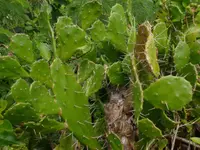
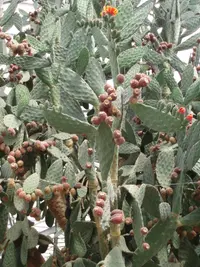
Woollyjoint pricklypear (Opuntia tomentosa) is a tree-like cactus from Mexico, known for its upright, branching pads covered in fine, short hairs. Mature plants can form a small, woody trunk, giving them a shrubby or small-tree appearance rather than a low, spreading mat. The pads are usually green to gray-green and bear both spines and tiny glochids, which can detach and irritate skin. This species is adapted to sunny, semi-arid habitats with well-drained, rocky or sandy soils. It is generally tough and drought-tolerant, but sensitive to prolonged cold and wet, which guides how to care for woollyjoint pricklypear in gardens or containers.

Main Plant Requirements

Care Difficulty

Easy Care

Light Preference

Full Sun

Water Requirements

Low Water

Temperature Preference

Warm Climate

Hardiness Zone

9–11

Soil Texture

Sandy, Loamy, Rocky

Soil pH

Slightly acidic (6.5–7.0), Slightly alkaline (7.0–7.5)

Soil Drainage

Well-drained

Fertilization

Minimal (feed rarely)

Get Personalized Care Plan

Scan your plant to receive care tips personalized for your specific plant

Available on iOS and Android

How to Care for the woollyjoint pricklypear

This cactus thrives in strong light and copes well with full sun when acclimated properly.

  • Provide 6–8 hours of direct sun daily, ideally with morning sun and some protection from intense late afternoon summer sun to limit scorching on young pads.
  • In hot climates, offer light afternoon shade or filtered sun, especially for newly planted woollyjoint pricklypear, to prevent sunburn and wrinkling.
  • In cooler months, ensure an open, unshaded exposure so pads stay firm and compact; thin, stretched growth indicates the plant needs more direct light.

This species stores water in its pads and needs infrequent but thorough watering.

  • Allow the top 3–5 cm of soil to dry completely before watering; in hot growing seasons, this may mean deep watering every 2–4 weeks in the ground, depending on rainfall and soil type.
  • Use fast-draining, sandy or gravelly soil so excess water exits quickly; standing water around the roots greatly increases rot risk for Opuntia tomentosa.
  • In cool or dormant seasons, reduce watering to only when pads begin to slightly soften or wrinkle; yellow, mushy pads and a sour smell suggest chronic overwatering.

This cactus prefers warm to hot conditions and is sensitive to prolonged cold and frost.

  • Aim for active growth in 70–90°F (21–32°C); the plant tolerates short heat spikes up to about 100°F (38°C) if soil drains well and airflow is good.
  • Protect from frost; brief dips to 28–32°F (-2–0°C) may be survived when dry, but repeated freezing damages pads and can kill young plants.
  • In cooler regions, plant in a warm, south-facing microclimate and keep soil on the dry side in fall–winter so tissues are less vulnerable to cold damage.

This cactus handles low humidity well and rarely needs special moisture control indoors.

  • Target 30–50% humidity; typical heated or air-conditioned rooms fall within this range.
  • It tolerates very dry air, but sudden shriveling pads can signal combined drought and extremely low humidity.
  • If air is below ~25%, place the pot away from heating vents and group with other plants rather than misting.

This cactus needs very fast-draining, mineral-rich soil to prevent root and stem rot.

  • Use a gritty mix: 50–70% inorganic material such as pumice, coarse sand, or small gravel, with the rest cactus potting mix.
  • Aim for a loose, crumbly texture that breaks apart easily in the hand and never compacts after watering.
  • Keep pH slightly acidic to neutral (pH 6.0–7.2), which suits Opuntia tomentosa and supports nutrient uptake.
  • Avoid clay-heavy, peat-dominant, or water-retentive mixes; if using bagged cactus soil, cut it with extra pumice or coarse sand to improve drainage and aeration.

This species adapts well to container culture when the pot is chosen to manage weight and drainage.

  • Choose a wide, heavy terracotta or ceramic pot to counter the top-heavy pads and reduce tipping outdoors.
  • Leave a 2–3 cm gap between root ball and pot wall to limit excess wet mix while still allowing root expansion.
  • Raise the container on feet or bricks so drainage holes stay clear and water runs off quickly after rain or irrigation.

Opuntia tomentosa has low nutrient needs but responds to light, controlled feeding in active growth.

  • Use a diluted balanced cactus fertilizer (around 10-10-10) or slow-release granules at 1/2–1/4 strength in spring and early summer.
  • Feed every 4–6 weeks during the growing season if growth is in a container or poor soil.
  • Skip fertilizing in winter dormancy to avoid weak, elongated pads.
  • In the ground, woollyjoint pricklypear often needs no more than a thin layer of compost once a year.

Pruning Opuntia tomentosa is mainly for safety, shape control, and plant health.

  • Carry out pruning in late spring or early summer once frost risk has passed.
  • Remove dead, diseased, storm-damaged, or crossing pads with clean, sharp pruners or a pruning saw for thick stems.
  • Cut at the pad joint to control size and encourage a more compact, branching form.
  • Disinfect tools before and after use to limit disease spread.

Container-grown plants and young transplants need thoughtful handling to avoid root damage.

  • Plan repotting or transplanting in late spring, when soil is warming and growth is starting.
  • Look for roots circling the pot, reduced vigor, or very fast drying soil as signs that the plant needs a larger container or ground space.
  • Repot every 3–5 years, using a slightly larger pot and gritty cactus mix, or transplant into well-drained, sandy soil outdoors.
  • Wear thick gloves, keep the root ball as intact as possible, and water lightly after moving to reduce stress and rot risk.

New plants are most often produced from pads, though seeds are also possible.

  • Take healthy pad cuttings in late spring to midsummer using a clean, sharp knife at the joint.
  • Allow cut pads to dry and callus for 5–10 days in a shaded, airy place before planting.
  • Insert the callused end into a dry, gritty cactus mix and keep slightly warm (70–80°F) with bright, indirect light until rooted.
  • Sow seeds in a fast-draining mix, barely covered, and keep lightly moist and warm for slow but steady germination.

This cactus prefers mild winters and benefits from some protection in colder climates.

  • Tolerates brief light frosts but extended exposure below about 25°F can damage pads.
  • In-ground plants in marginal climates benefit from a 5–8 cm layer of dry gravel or coarse mulch over the root zone.
  • Wrap or cover exposed pads with frost cloth during hard freezes, keeping material off direct contact when possible.
  • Move container plants indoors to a bright, cool, dry spot before repeated frost arrives and reduce watering sharply.

Care Tips

Use gritty mulch

Apply a 1–2 cm top layer of coarse gravel or pumice around the base to keep pads dry at the soil line, reduce rot risk, and discourage fungus gnats without trapping excess moisture.

Stabilize young pads

Support newly formed pads with a short stake or rock brace for the first season in windy or high-traffic areas so they root firmly at the joint and do not snap under their own weight.

Control plant spread

Remove and dispose of fallen or broken pads promptly, as many will root where they land, and use thick tongs or a folded piece of cardboard to handle segments safely.

Winter dryness strategy

In regions with wet, cool winters, plant on a raised mound or in a sloped bed so excess water drains away quickly, and consider a simple rain cover during prolonged storms to prevent pad splitting and root rot.

Inspect areoles regularly

Check the fuzzy areoles and pad joints every few weeks for cochineal scale or spider mites, then treat early with a gentle jet of water or targeted insecticidal soap rather than waiting for visible pad damage when caring for woollyjoint pricklypear.

Common Pests and Diseases

Cochineal scale

This pest forms dense white, cottony clusters on pads and can quickly cover large areas, feeding on plant sap and weakening growth.

Solution

Remove heavily infested pads and discard them in the trash, then hose remaining pads with a strong stream of water to dislodge insects and cottony masses. For persistent infestations, dab visible scale with isopropyl alcohol on a cotton swab or spray with an insecticidal soap labeled for cacti, repeating every 7–10 days until new pads emerge clean.

Opuntia mealybug

This pest creates small white, fuzzy clusters in pad joints and along areoles, sucking sap and causing yellowing, stunted pads, and sticky honeydew that can attract sooty mold.

Solution

Quarantine affected plants, then inspect joints and areoles closely and squash or wipe off visible mealybugs with alcohol-moistened cotton. Follow with an application of insecticidal soap or a light horticultural oil, making sure to cover pad joints and undersides, and repeat several times to break the life cycle as part of consistent Opuntia tomentosa care instructions.

Pad spot (Phyllosticta)

This disease causes small circular tan or brown spots with dark margins that can enlarge and form scabby, sunken lesions on pads.

Solution

Prune and discard affected pads before lesions merge, sterilizing tools between cuts, and avoid overhead watering that leaves pads wet for long periods. Improve spacing and sun exposure for faster pad drying, and consider a copper-based fungicide labeled for cacti if new spots keep appearing in warm, humid conditions.

Fusarium stem rot

Symptoms include yellowing pads, softening around the base, and internal brown or reddish discoloration that moves upward through the plant.

Solution

Cut out and discard all visibly affected tissue, taking 1–2 cm into firm, healthy tissue, and allow cut surfaces to dry and callus in bright, dry conditions before replanting. Reduce watering, use a very fast-draining mineral cactus mix, and avoid wounding pads and stems, which gives the fungus easier entry points.

Cactus longhorn beetle

This pest chews notches and wounds in pads, while larvae tunnel inside stems and pads, causing collapse, breakage, and dieback from internal damage.

Solution

Inspect at dusk and hand-remove adult beetles into soapy water, then cut open and discard any pads that show internal tunneling or sudden collapse. Limit mulch or dense groundcover near the base, keep plants vigorous with strong sun and lean, well-drained soil, and remove severely damaged plants to reduce local beetle breeding sites.

Interesting Facts

Fuzzy joint segments

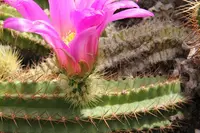
This cactus develops elongated, cylindrical pads covered with a dense felt of short hairs (tomentum), giving the joints a velvety appearance that distinguishes it from the flatter pads of many other Opuntia species.

Tree-like cactus form

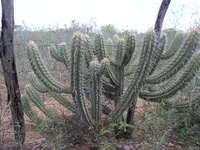
In suitable conditions it can grow with a distinct woody trunk and a branching crown, forming a small arborescent cactus rather than a low, shrubby clump typical of many prickly pears.

Specialist pollinator visits

In its native range in central Mexico, its orange to reddish flowers are visited by a specific set of bees that collect both nectar and pollen, making it an important local nectar source during its blooming period.

Botan icon

Did you know?

This species can form natural hybrids with other nearby Opuntia in the wild, and these hybrids contribute to high morphological variation in local populations, which has made its precise taxonomic limits a recurring topic in cactus systematics research.

FAQs about woollyjoint pricklypear

The pads and fruits are considered edible in many regions when properly prepared, but they have numerous spines and tiny glochids that irritate skin and mouth. Only consume carefully cleaned parts and follow local foraging or food safety guidance.

Grow Healthy Plants with Botan Care

Keep your plants happy and healthy with plant identification, disease detection, and easy care guidance.

Botan plant care app — identify plants on mobile

Explore More Plants