Echinocereus viereckii Care

Echinocereus viereckii

About Echinocereus viereckii

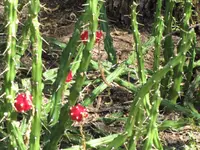
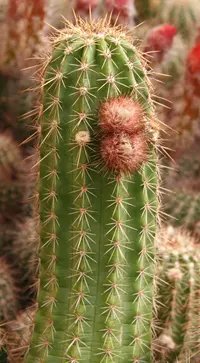
Echinocereus viereckii is a small columnar cactus known for its slender green stems lined with short, bristly spines. Mature plants often form dense clumps that create a low, architectural mound.

It is native to arid regions of northeastern Mexico, where it grows in rocky, well-drained habitats with intense sun. In cultivation it is considered relatively easy for growers who provide bright light, porous soil, and minimal excess moisture.

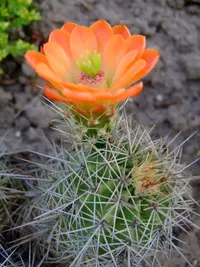
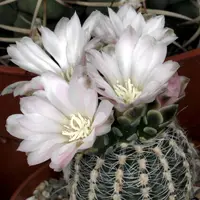
The plant is valued for its large, showy flowers, which contrast strongly with the narrow stems. For most home growers, learning how to care for Echinocereus viereckii focuses on avoiding overwatering and providing strong light.

Main Plant Requirements

Care Difficulty

Easy Care

Light Preference

Full Sun

Water Requirements

Low Water

Temperature Preference

Warm Climate

Hardiness Zone

9–11

Soil Texture

Sandy, Loamy, Rocky

Soil pH

Slightly acidic (6.5–7.0), Neutral (7.0)

Soil Drainage

Well-drained

Fertilization

Minimal (feed rarely)

Get Personalized Care Plan

Scan your plant to receive care tips personalized for your specific plant

Available on iOS and Android

How to Care for the Echinocereus viereckii

This cactus prefers strong light but benefits from gradual sun exposure adjustments.

  • Provide 6–8 hours of direct sun daily, ideally with morning sun and some light afternoon shade in very hot climates.
  • Acclimate Echinocereus viereckii slowly to full sun to prevent sunburn, starting with filtered or partial sun for 1–2 weeks.
  • In winter, ensure the plant still receives 4–6 hours of bright sun, as low light leads to pale, elongated, weak growth.

Watering should mimic a desert climate with deep, infrequent soakings and thorough drying between them.

  • Let the top 5–7 cm of soil dry completely before watering; in hot, active growth this may mean every 10–21 days, depending on heat and wind.
  • Use fast-draining, gritty soil and a container or bed with excellent runoff so water never sits around the roots.
  • In cool autumn–winter conditions, water only once the soil is fully dry for many days; prune back if stems yellow and soften, which signals overwatering.

This species prefers warm conditions and must be protected from hard frost.

  • Aim for active growth temperatures around 70–90°F (21–32°C), with good air movement in hotter weather to prevent heat stress.
  • Protect from freezing; short dips to about 25°F (−4°C) may be survived if soil is very dry, but frost can still scar tissues.
  • In winter rest, keep it cool and dry around 45–55°F (7–13°C) if possible, avoiding repeated freeze–thaw cycles that damage roots.

This cactus prefers very dry air and does not need extra humidity.

  • Aim for 20–40% relative humidity, similar to a dry indoor room or arid outdoor climate.
  • Dry air is well tolerated; issues are more often from excess moisture around the roots than from low humidity.
  • If stems shrivel while soil stays moist, reduce ambient humidity and improve air movement instead of adding water.

Use a very fast-draining, mineral-heavy mix to keep roots dry between waterings.

  • Choose a gritty, sandy substrate with little organic matter, such as 60–70% mineral components and 30–40% cactus mix.
  • Combine pumice or coarse perlite with coarse sand and a lean cactus potting base to increase drainage and aeration.
  • Keep pH slightly acidic to neutral (pH 6.0–7.0), avoiding strongly alkaline or salty substrates that can damage roots.
  • Avoid dense peat, unamended compost, or fine garden soil that compacts, holds water, and promotes root rot in Echinocereus viereckii.

This species is well suited to container culture when the pot is chosen to keep roots dry and stable.

  • Select a pot only slightly wider than the root system so the mix dries quickly and does not stay wet in unused areas.
  • Use unglazed terracotta to increase evaporation from the sides of the pot and reduce the risk of prolonged moisture around the roots.
  • Place the container where it cannot tip, as clustered stems can become top-heavy when older and loaded with growth.

This cactus grows well with minimal feeding but benefits from light, targeted nutrition during active growth.

  • Apply a diluted balanced liquid fertilizer (around 10-10-10 at 1/4 strength) every 4–6 weeks in spring–summer when caring for Echinocereus viereckii.
  • Use a cactus-specific or low-nitrogen formula to avoid soft, weak growth and maintain compact stems.
  • Ensure soil is already moist before feeding, and never apply to dry roots to reduce burn risk.
  • Stop fertilizing in fall–winter to allow proper dormancy and prevent etiolated, stretched growth.

Echinocereus viereckii needs very little pruning, mainly for health and safety rather than shaping.

  • Best time for any work is late spring–summer, when growth is active and wounds seal faster.
  • Use clean, sharp cactus tongs and a sterile knife or pruners to remove dead, diseased, or rotting stems at the base.
  • Cut away badly scarred or pest-damaged sections, leaving firm, unblemished tissue to reduce infection risk.
  • Avoid cosmetic reshaping; heavy removal can stress the plant and reduce flowering the following season.

This species prefers slightly tight conditions and infrequent disturbance, but occasional repotting supports long-term health.

  • Repot every 3–4 years or when roots circle the pot, drainage slows, or growth becomes noticeably stunted.
  • Choose late spring as the ideal time, when active growth helps the plant recover more quickly from root disturbance.
  • Use a shallow pot with good drainage and a gritty cactus mix, handling the root ball gently to keep it as intact as possible.
  • Allow roots to dry for 2–3 days after repotting before light watering to reduce rot risk and encourage new root growth.

Echinocereus viereckii is commonly propagated from offsets and seeds under warm, bright conditions.

  • Detach firm offsets in late spring–early summer, then air-dry cut surfaces for several days until callused.
  • Plant offsets in a sterile, gritty cactus mix, keep slightly warm (70–80°F), and water sparingly until roots form.
  • Sow seeds on the surface of a barely moist, well-draining medium, then cover lightly with grit for stability.
  • Provide bright, indirect light and good airflow for seedlings, avoiding overwatering to prevent damping-off fungal problems.

This cactus tolerates short light frosts when dry but benefits from thoughtful winter management, especially in containers.

  • For outdoor plants, ensure soil drains rapidly and stays mostly dry through winter to enhance cold tolerance.
  • In regions below about 20°F, add a dry mineral mulch around the base to insulate the root zone.
  • Move potted specimens indoors or into a cold, bright, frost-free area, and keep them almost completely dry until spring.

Care Tips

Encourage Clumping Form

When offsets appear at the base, leave most attached to build a tight clump and only remove a few with a clean, sharp knife for propagation so the main plant keeps its natural clustered shape.

Use Mineral Mulch

Top-dress the pot with a 1–2 cm layer of coarse pumice, gravel, or grit to keep the stem base dry, reduce algae and fungus growth, and stabilize the plant in its pot.

Cool-Dry Winter Rest

Provide a distinct winter rest by keeping the plant almost completely dry and slightly cooler for 8–12 weeks, which helps trigger heavier flowering in spring when growing Echinocereus viereckii.

Rotate For Even Spines

Turn the pot 90° every 2–3 weeks during active growth so spines and ribs develop evenly and the plant does not lean permanently toward the light.

Inspect Flower Scars

After flowering, periodically inspect old flower and fruit scars at the stem top, and gently remove any soft, dark tissue with sterile tools to prevent fungal issues from starting in old floral remains.

Common Pests and Diseases

Mealybugs

This pest feeds on cactus stems and hides in woolly white clusters between ribs and at the base of spines. Symptoms include slowed growth, yellowing patches, and sticky honeydew that can encourage sooty mold on stems.

Solution

Isolate the plant, then dab visible insects with cotton swabs dipped in 70% isopropyl alcohol, repeating weekly until no new clusters appear. Improve light and air movement, avoid overfertilizing, and for larger infestations use a systemic insecticide labeled for cacti, following the product rate carefully.

Spider mites

These insects prefer hot, dry conditions and can cause fine speckling, dulling of the green stem, and very fine webbing in the cactus ribs. This pest can weaken stems and make them more prone to sunburn and other stress.

Solution

Rinse the plant thoroughly with a strong but controlled stream of water, especially in rib grooves, and then raise ambient humidity slightly without keeping the soil wet. If mites persist, apply a targeted miticide or insecticidal soap on all stem surfaces, repeating at 5–7 day intervals to break the life cycle.

Scale insects

This pest appears as small, hard, brown or gray bumps tightly attached to ribs or at the base of spines and does not wipe off easily. These insects suck sap, causing localized yellow or pale spots and general decline over time.

Solution

Manually scrape or pry off individual scales with a toothpick or soft brush, then wipe affected areas with a cloth lightly moistened with 70% isopropyl alcohol. For heavier infestations, use a systemic insecticide suited to succulents and reduce plant stress by maintaining bright light and correct, sparse watering, which supports better Echinocereus viereckii care.

Fusarium stem rot

This disease is caused by soilborne fungi that invade through wounds or waterlogged roots, leading to soft, sunken, often reddish-brown areas on the stems. Symptoms include progressive collapse of segments, sometimes with internal discoloration in a ring pattern.

Solution

Remove and discard all affected stems well below the visibly damaged tissue, using sterile tools, and allow remaining healthy sections to dry and callus before replanting in fresh, fast-draining cactus mix. Prevent recurrence by watering sparingly, avoiding injury to the stems, and ensuring the potting medium dries thoroughly between waterings.

Bacterial soft rot

This disease produces rapidly spreading, foul-smelling, mushy tissue on stems, usually starting from a damaged spot or area kept wet. Symptoms include wet, translucent patches that quickly collapse and may ooze liquid when pressed.

Solution

Cut away all affected tissue into firm, healthy stem using disinfected tools, and discard any severely rotted plants that cannot be salvaged. Improve air circulation, avoid overhead watering and stem injury, and keep the plant in a warm, bright, dry position so cut surfaces dry and form a protective callus before any repotting or outdoor exposure.

Interesting Facts

Ringed stem growth

This cactus often forms distinctive stem segments marked by narrow constrictions, giving older clumps a ringed or beaded appearance that helps distinguish it from related Echinocereus species with smoother columns.

Spring flower display

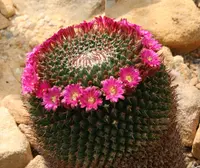
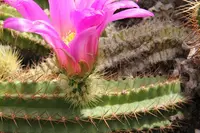
It produces large, funnel-shaped magenta to pink flowers in late spring, typically from the upper stem areoles, creating a dense crown of blooms that can almost hide the stems when flowering is abundant.

Regional endemism

This species is naturally restricted to northeastern Mexico, especially parts of Tamaulipas and Nuevo León, where it grows on rocky limestone slopes and low scrub, adapted to high light and well-drained mineral soils.

Botan icon

Did you know?

Some wild populations show a cristate, or crested, growth form where the stem tip mutates into a fan-shaped ridge, creating highly sculptural clumps that are actively sought after and selectively propagated by cactus collectors.

FAQs about Echinocereus viereckii

Lack of flowers is often caused by insufficient light, overly rich or damp soil, or inadequate winter rest. Provide strong sun, a cool, dry winter period, and avoid nitrogen-heavy fertilizer to encourage bud formation.

Grow Healthy Plants with Botan Care

Keep your plants happy and healthy with plant identification, disease detection, and easy care guidance.

Botan plant care app — identify plants on mobile

Explore More Plants