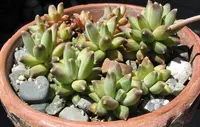
Deep pot selection
Choose a tall, narrow, unglazed clay pot so the long taproot can grow straight down and the sides can dry quickly, which reduces the risk of basal rot in mature plants.

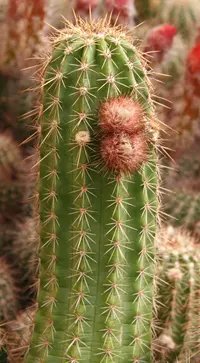
Echinocereus ortegae is a small, clumping cactus known for its cylindrical stems and striking spring flowers, often in shades of pink to magenta. Spines are usually dense but relatively fine, giving the plant a slightly bristly look rather than a harshly armored one.
This species is native to arid regions of Mexico, where it grows in rocky, well-drained soils with strong sunlight and low rainfall. Its drought tolerance and slow, compact growth habit make it suitable for containers and rock gardens.
For those learning how to care for Echinocereus ortegae, the main needs are bright light, very sharp drainage, and careful watering that allows the soil to dry between waterings.

Care Difficulty
Moderate Care

Light Preference
Full Sun

Water Requirements
Low Water

Temperature Preference
Warm Climate

Hardiness Zone
9–11

Soil Texture
Sandy, Rocky, Loamy

Soil pH
Slightly acidic (6.5–7.0), Neutral (7.0)

Soil Drainage
Well-drained

Fertilization
Minimal (feed rarely)
Scan your plant to receive care tips personalized for your specific plant
Available on iOS and Android
This desert cactus favors strong light but still needs protection from harsh extremes.
This species stores water in its stems and needs infrequent but thorough watering.
This cactus prefers warm, dry conditions and tolerates moderate heat and brief light frosts.
This cactus thrives in very dry air and rarely needs humidity adjustments indoors.
This species needs a very fast-draining, mineral-rich substrate to prevent root rot.
This cactus is well suited to container growing in bright, dry locations.
This desert cactus grows well with minimal feeding but benefits from light, targeted nutrition in active growth.
Pruning needs are very limited and focus mainly on health and safety rather than shaping.
This cactus prefers to stay slightly root-bound and only needs infrequent repotting or transplanting.
Propagation of this species is practical through offsets and seeds when suitable material is available.
Cold tolerance is moderate, so some winter management helps prevent stem damage and root rot in many regions.

Plant Health Check
Not sure what's wrong with your plant? Check your plant's health inside the app.
This species is naturally restricted to a limited area in Baja California Sur, Mexico, where it grows on rocky slopes and limestone outcrops, often in very sparse desert scrub.
Mature plants develop distinctive, often reddish to brown hooked central spines that help shade the stem and provide some protection from herbivores in its harsh native habitat.
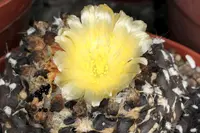
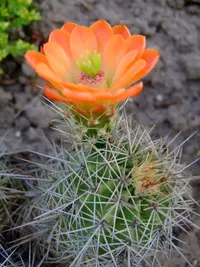
It produces relatively large, funnel-shaped magenta to pink flowers near the stem tips, which open in strong light and attract native pollinators such as bees in its desert environment.
Lack of flowering usually comes from insufficient light, too much water, or no cool, dry winter rest. Mature plants bloom best after bright sun, lean soil, light feeding, and a slightly cooler, drier period before spring.
Keep your plants happy and healthy with plant identification, disease detection, and easy care guidance.

-1-200x150.webp)