Rotate Containers
Turn the pot 90° every 2–3 weeks during active growth so the clumps develop evenly and do not lean toward the light, which keeps the plant compact and balanced when growing Stagfig.

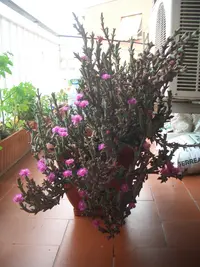
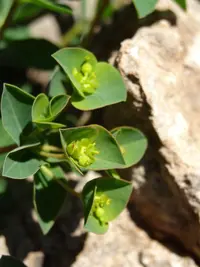
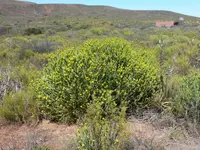
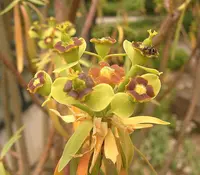
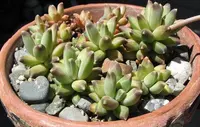
Stagfig (Smicrostigma viride) is a small, succulent shrublet from the ice plant family, valued for its compact form and textured, bright green foliage. It typically forms low, branching mounds with fleshy leaves and small, daisy-like flowers that add subtle color rather than showy blooms.
This species is native to dry regions of South Africa, where it grows in rocky, well-drained soils with sparse rainfall and strong sunlight. Its drought tolerance and slow, tidy growth habit make it suitable for containers, rock gardens, and windowsills, provided excess moisture is avoided.
Many growers find it straightforward to care for Stagfig when given bright light, fast-draining soil, and careful, infrequent watering that allows the roots to dry between waterings.

Care Difficulty
Moderate Care

Light Preference
Partial Shade

Water Requirements
Moderate Water

Temperature Preference
Warm Climate

Hardiness Zone
Unknown

Soil Texture
Sandy, Loamy, Rocky

Soil pH
Acidic (5.5–6.5)

Soil Drainage
Well-drained

Fertilization
Minimal (feed rarely)
Scan your plant to receive care tips personalized for your specific plant
Available on iOS and Android
This compact succulent prefers bright, open light similar to its native South African habitat.
This species stores moisture in its leaves, so it prefers thorough but infrequent watering.
This succulent favors mild, dry conditions and dislikes cold, damp weather.
Humidity is a minor factor for Smicrostigma viride and typical indoor levels are usually adequate.
Smicrostigma viride prefers a fast-draining, mineral-lean substrate that prevents waterlogging around its roots.
This species is well suited to container growing, especially in shallow, free-draining pots.
Smicrostigma viride is a light feeder and needs only modest nutrition in cultivation.
Smicrostigma viride benefits from light, corrective pruning rather than heavy cutting.
This species is slow-growing and rarely needs frequent repotting when grown in containers.
Smicrostigma viride is most often propagated by seed or small stem cuttings under controlled conditions.
This plant prefers mild, frost-free conditions and benefits from some winter protection in colder climates.

Plant Health Check
Not sure what's wrong with your plant? Check your plant's health inside the app.
This species is a dwarf, clump-forming succulent native to arid parts of South Africa, where it grows in shallow, stony soils and often nests among gravel for protection from heat and herbivores.
Its small, slightly translucent green leaves often match the surrounding stones and soil, providing camouflage that reduces herbivore damage and sun stress in its exposed habitat.
In its native climate it grows mainly in the cooler, wetter months and rests during the hottest, driest periods, an adaptation that helps conserve water and survive unpredictable rainfall patterns important for Smicrostigma viride plant care.
This species is generally slow-growing, forming small clumps over several years rather than quickly filling space. Growth speed depends on light, temperature, nutrition, and root health, so expect gradual size increases rather than dramatic seasonal changes.
Keep your plants happy and healthy with plant identification, disease detection, and easy care guidance.