Fish-stunning Spurge Care (Euphorbia piscatoria)

Fish-stunning Spurge

About Fish-stunning Spurge

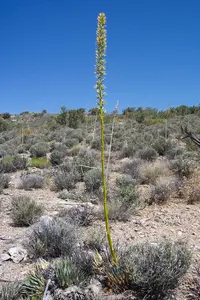
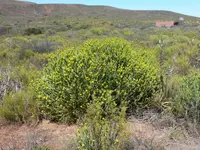
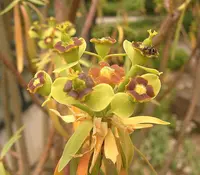
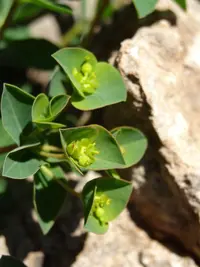
Fish-stunning spurge (Euphorbia piscatoria) is a shrubby succulent from rocky coastal areas of the Madeira archipelago. It forms many upright, branched stems with narrow, evergreen leaves and small, yellowish flower clusters near the tips.

This species stores water in its stems and tolerates dry, exposed sites, which makes it relatively forgiving in low-humidity indoor conditions. However, its milky sap is irritating and it dislikes waterlogged soil, so it suits careful, observant growers.

In cultivation, it prefers bright light, good air flow, and sharply draining, mineral-rich soil. Those factors are central to how to care for Fish-stunning Spurge successfully over time.

Main Plant Requirements

Care Difficulty

Moderate Care

Light Preference

Full Sun

Water Requirements

Low Water

Temperature Preference

Warm Climate

Hardiness Zone

Unknown

Soil Texture

Sandy, Loamy, Rocky

Soil pH

Slightly acidic (6.5–7.0), Neutral (7.0)

Soil Drainage

Well-drained

Fertilization

Minimal (feed rarely)

Get Personalized Care Plan

Scan your plant to receive care tips personalized for your specific plant

Available on iOS and Android

How to Care for the Fish-stunning Spurge

This sun-loving succulent thrives in bright, open exposures with protection from extreme midday heat.

  • Provide 6–8 hours of direct sun daily, ideally strong morning sun with lighter afternoon exposure, especially in hot climates.
  • Plant Fish-stunning Spurge in a position with full sun to light partial shade; in very intense summer sun, offer slight midday shade to prevent scorching.
  • Watch stems and leaves for stress: pale, elongated growth signals too little light, while brown, crisp patches indicate sunburn and the need for filtered sun.

This drought-adapted euphorbia prefers infrequent, deep watering and fast-draining soil.

  • Allow the top 3–5 cm of soil to dry fully before watering; in hot, dry periods this may mean watering every 7–14 days, less often in cool seasons.
  • Use gritty, sharply draining soil and avoid water collecting around the roots, which increases risk of rot in Euphorbia piscatoria.
  • Signs of overwatering include yellowing, mushy stems and a sour smell, while wrinkling or slight stem shriveling suggests the plant needs a thorough soak.

This species prefers warm, arid conditions and is sensitive to prolonged cold and frost.

  • Aim for 65–80°F (18–27°C) for active growth, with steady warmth and low humidity supporting strong, compact stems.
  • Protect the plant from frost; growth slows below 50°F (10°C) and tissue damage can occur near 32°F (0°C), especially if soil is wet.
  • Tolerates brief heat up to 95°F (35°C) if soil drains well and air moves freely, but reduce watering in hot spells to prevent root stress.

This species tolerates typical indoor humidity and rarely needs special adjustments.

  • Aim for 30–50% humidity, which suits its succulent, drought-adapted tissues.
  • It copes well with dry heated rooms, but avoid placing it directly over hot radiators or vents.
  • If stems wrinkle despite correct watering, briefly raise humidity with a nearby tray of water and pebbles, not by misting.

This drought-adapted succulent requires very fast-draining, mineral-rich soil to prevent root rot.

  • Use a gritty mix such as 60–70% cactus/succulent substrate blended with coarse sand or fine gravel for structure.
  • Ensure sharply draining conditions by adding 20–30% perlite or pumice to increase aeration and reduce water retention.
  • Keep pH slightly acidic to neutral (pH 6.0–7.2), avoiding very alkaline or peat-heavy mixes that stay wet.
  • For Euphorbia piscatoria in pots, avoid compact, clay-based, or pure compost soils that collapse and suffocate roots.

This species is well suited to container growing due to its compact, succulent root system.

  • Choose a pot only 2–4 cm wider than the root ball to limit excess wet substrate around the roots.
  • Select a heavy, stable container if stems grow tall, so the plant does not tip when the substrate dries.
  • Use a pot material like unglazed terracotta to speed evaporation, which supports the very fast-draining mix it prefers.

Euphorbia piscatoria prefers lean conditions and only modest feeding when grown in containers or poor soils.

  • Use a balanced, dilute liquid fertilizer (around 10-10-10) at 1/2 strength during the active growing season.
  • Feed every 4–6 weeks in spring and early summer if growth appears weak or foliage pales.
  • Avoid compost-rich or high-nitrogen mixes, which can cause soft, leggy growth in Fish-stunning Spurge.
  • Stop feeding in late summer and do not fertilize during winter dormancy.

Pruning Euphorbia piscatoria is mainly done to maintain shape, remove damage, and manage size.

  • Prune in late winter or early spring before strong new growth starts.
  • Remove dead, damaged, or crossing stems first, then thin crowded shoots to open the plant.
  • Shorten overly long stems to a node to maintain a compact, balanced form and stable structure.
  • Use clean, sharp pruners and avoid sap contact with skin; rinse tools after cutting.

Container-grown Euphorbia piscatoria benefits from occasional repotting or transplanting to refresh the root environment.

  • Check for roots circling the pot, emerging from drainage holes, or slowed growth as signals to move up 1 pot size.
  • Plan repotting or transplanting for early spring, just before active growth, to support quick recovery.
  • Expect to repot every 3–4 years in a free-draining, gritty mix that prevents prolonged root wetness.
  • Handle roots gently, keep the original soil ball mostly intact, and water lightly after moving to reduce shock.

Euphorbia piscatoria is most commonly propagated from stem cuttings taken during the active growing season.

  • Take 8–12 cm semi-ripe cuttings in late spring or early summer, cutting just below a node.
  • Allow cut ends to dry and callus for 1–2 days to reduce rot risk from the milky sap.
  • Insert cuttings into a very free-draining mix, keep slightly moist, and provide bright, indirect light.
  • Maintain warmth around 70–75°F and good airflow until firm rooting develops.

Euphorbia piscatoria prefers mild winters and needs protection from hard frost, especially in containers.

  • In regions below about 25°F, grow in pots and move indoors to a bright, cool, frost-free place for winter.
  • Outdoors in mild climates, apply a light, dry mulch around the root zone to buffer soil temperature swings.
  • Keep soil on the dry side in winter, since cold, wet conditions greatly increase root rot risk.
  • Shelter plants from icy winds and heavy winter rain using a porch overhang or cold frame if possible.

Care Tips

Sap-safe handling

Wear gloves and avoid touching your face when pruning or repotting, since the milky latex sap is irritating, and rinse tools in soapy water afterward to prevent residue hardening on blades.

Targeted stem support

Use short, discreet stakes or gravel mounding around the base of taller stems to keep top-heavy growth stable without trapping moisture against the main stem.

Controlled branching

Pinch or cut back only the soft stem tips in early active growth to encourage a fuller, branched habit while minimizing sap flow and stress on the plant.

Strategic rotation

Rotate the pot 90° every 3–4 weeks so the plant develops an even, compact form instead of leaning toward the light source or becoming lopsided.

Quarantine and scouting

When introducing new succulents nearby, keep them in a separate area for 2–3 weeks and inspect weekly with a hand lens so pests are caught early and do not spread while caring for Fish-stunning Spurge.

Common Pests and Diseases

Powdery mildew

This disease appears as white, powdery patches on leaves and young stems, often in warm, dry air with poor air movement. Symptoms include slowed growth and distorted new leaves on stressed plants in bright outdoor exposures or crowded indoor shelves.

Solution

Improve air circulation around the plant, avoid overhead watering, and remove heavily infected leaves to reduce spore load. Treat remaining foliage with a sulfur or potassium bicarbonate fungicide labeled for ornamentals, applied according to directions, and keep humidity moderate and stable during recovery.

Mealybugs

These insects form cottony white clusters in stem joints, leaf bases, and on roots, feeding on sap and weakening the plant. Symptoms include sticky honeydew, sooty mold on surfaces below the plant, and slowed or distorted growth.

Solution

Isolate the plant, then dab visible insects with cotton swabs dipped in 70% isopropyl alcohol and rinse foliage gently after treatment. For persistent infestations, repeat alcohol applications weekly and use a systemic insecticide suitable for succulents, ensuring the potting mix drains very well to avoid additional stress while caring for Fish-stunning Spurge.

Spider mites

This pest thrives in hot, dry indoor or greenhouse conditions, causing tiny yellow stippling on leaves and fine webbing along stems. Symptoms include dull, dusty-looking foliage and gradual leaf drop if the population is high.

Solution

Rinse the plant thoroughly with a firm but gentle stream of lukewarm water, especially underside of leaves and stem crevices, then allow it to dry in good airflow. If mites persist, apply horticultural oil or insecticidal soap labeled for spider mites every 5–7 days for several cycles, keeping the plant out of direct sun during treatment to prevent leaf burn.

Aphids

These insects cluster on tender shoot tips and young inflorescences, sucking sap and causing curled or misshapen new growth. Symptoms include sticky honeydew deposits and sometimes ants visiting the plant to feed on the secretions.

Solution

Prune off heavily infested tips and discard them, then wash remaining stems with a strong but controlled stream of water to dislodge insects. Follow with insecticidal soap sprays applied to all plant surfaces, repeating weekly until new growth emerges clean and monitoring nearby plants to prevent re‑infestation.

Stem canker

This disease causes sunken, brown to black lesions on succulent stems, often starting at mechanical wounds or areas of prolonged moisture contact. Symptoms include localized stem shriveling, cracking, and eventual dieback of affected segments.

Solution

Cut out infected stem sections well into healthy tissue with a sterile knife and discard all diseased material, keeping the milky sap off skin and eyes. Allow cut surfaces to dry and callus in bright, dry conditions, adjust watering so the soil dries fully between waterings, and avoid wetting the stems to limit future infections.

Interesting Facts

Endemic Macaronesian shrub

This spurgewort is naturally restricted to the Azores and Madeira archipelagos, where it grows mainly on coastal cliffs and rocky slopes exposed to strong wind and salt spray.

Milky latex defense

Like many Euphorbia species, it produces a white, sticky latex that deters herbivores and helps seal wounds, but in this species the latex has been traditionally noted by local fishers for its toxicity to fish in confined pools.

Cliffside root adaptation

Plants form woody bases and strong, branching roots that anchor them into fissures and shallow rocky soils, allowing survival on steep maritime cliffs where few other shrubs can persist.

FAQs about Fish-stunning Spurge

This species contains a milky latex sap that is irritating and potentially toxic if ingested. It can cause mouth, stomach, and skin irritation in humans and pets. Always handle with gloves and keep away from children and animals.

Grow Healthy Plants with Botan Care

Keep your plants happy and healthy with plant identification, disease detection, and easy care guidance.

Botan plant care app — identify plants on mobile

Explore More Plants