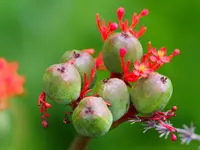
Hairy Nipple Crownfig Care (Trichodiadema setuliferum)

Hairy Nipple Crownfig

About Hairy Nipple Crownfig

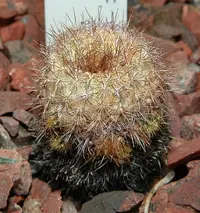
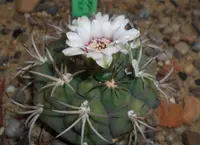
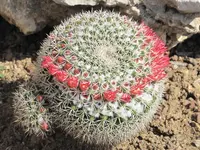
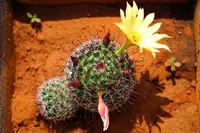
Hairy nipple crownfig, Trichodiadema setuliferum, is a small succulent shrublet from arid regions of South Africa. It forms low cushions of short, jointed stems covered in bristly hairs.

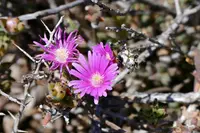
The leaves end in a tiny crown of stiff, hairlike bristles, which gives the plant its common name. In good light it produces daisy-like flowers in bright magenta or pink tones.

This species prefers strong light, very fast-draining gritty soil, and careful watering with long dry intervals. Once these needs are understood, how to care for Hairy Nipple Crownfig becomes straightforward for growers who are used to succulents.

Main Plant Requirements

Care Difficulty

Moderate Care

Light Preference

Full Sun

Water Requirements

Low Water

Temperature Preference

Warm Climate

Hardiness Zone

10–11

Soil Texture

Sandy, Loamy, Rocky

Soil pH

Slightly acidic (6.5–7.0), Neutral (7.0)

Soil Drainage

Well-drained

Fertilization

Minimal (feed rarely)

Get Personalized Care Plan

Scan your plant to receive care tips personalized for your specific plant

Available on iOS and Android

How to Care for the Hairy Nipple Crownfig

This small succulent prefers bright, direct light but must acclimate slowly to strong sun.

  • Provide 4–6 hours of direct morning sun with bright, filtered light the rest of the day for compact growth.
  • Tolerates light afternoon sun in mild climates, but intense summer sun may scorch foliage; add 30–40% shade cloth if tips bleach or shrivel.
  • In winter, move Hairy Nipple Crownfig to the sunniest spot available; too little light causes elongated, weak stems and sparse flowering.

This drought-tolerant succulent needs infrequent, careful watering to avoid root rot.

  • Water only when the top 3–5 cm of soil are completely dry; the pot should feel noticeably lighter before watering.
  • During active growth in spring and fall, water thoroughly, then let excess drain; in winter, reduce to very light sips once soil has stayed dry for several days.
  • Soft, yellowing leaves or a mushy base indicate overwatering, while deep wrinkling and very limp leaves signal that Trichodiadema setuliferum is staying dry for too long.

This species prefers warm, dry conditions and dislikes sustained cold or freezing temperatures.

  • Aim for 65–80°F (18–27°C) during active growth for steady development and flowering.
  • Protect from frost; it may tolerate brief drops to 28–32°F (-2–0°C) if completely dry, but tissue damage is likely below freezing.
  • In hot weather above 90°F (32°C), provide airflow and some afternoon shade; in cooler seasons, slightly lower temperatures around 55–65°F (13–18°C) can encourage a mild rest period.

This succulent prefers dry household air and does not need added humidity.

  • Aim for 30–50% humidity, similar to typical indoor levels, for stable growth in Hairy Nipple Crownfig.
  • Dry air is well tolerated; sustained humidity above 60% increases risk of stem rot and fungal spots.
  • Humidity stress appears as soft, translucent stems or blackened bases; improve air movement and reduce ambient humidity rather than misting.

This species needs a very fast-draining, mineral-rich mix to prevent root and stem rot.

  • Use a gritty, sandy substrate with coarse particles that create open structure and rapid drainage.
  • A practical mix is 50–70% inorganic material (pumice, coarse sand, perlite, small gravel) with the rest lean cactus mix.
  • Aim for slightly acidic to neutral pH around 6.0–7.0 to support nutrient uptake without salt buildup in Trichodiadema setuliferum.
  • Avoid heavy loam, peat-heavy blends, or compacted mixes that stay wet longer than 24 hours after watering.

This compact succulent is very suitable for container growing.

  • Choose a shallow, wide pot so the fibrous roots can spread laterally without leaving wet pockets in the center.
  • Unglazed terracotta containers help moisture evaporate faster, reducing the chance of root and collar rot after watering.
  • Elevate the pot on feet or mesh risers so drainage holes stay clear and excess water leaves the container quickly.

This compact succulent grows well with very light feeding, so focus on moderation when caring for Hairy Nipple Crownfig.

  • Use a low-dose balanced liquid fertilizer (around 10-10-10) diluted to 25–50% strength during active growth in spring–summer.
  • Feed once every 4–6 weeks only if growth is weak or soil is very lean, avoiding heavy or frequent applications.
  • Skip compost-rich mixes and high-organic fertilizers that retain moisture and can cause root rot in this xeric species.
  • Stop feeding in fall and winter, when growth slows, to prevent soft, cold-sensitive tissue and nutrient buildup in the potting mix.

Pruning for Trichodiadema setuliferum is mainly cosmetic, aimed at keeping the clump compact and healthy.

  • Best time is late winter to early spring, just before active growth resumes.
  • Use clean, sharp scissors or small snips to remove dead, shriveled, or damaged stems at the base.
  • Thin out crowded or elongated shoots to maintain a low, dense cushion and improve light penetration.
  • Avoid cutting into firm, healthy stems excessively, which can slow flowering and reduce the plant’s natural shape.

This species prefers a snug pot and infrequent disturbance, so repot only when clearly rootbound.

  • Look for roots circling the drainage holes, water running straight through, or slowed growth as signs it needs more space.
  • Plan repotting for late winter or early spring, about every 3–4 years, using a shallow, wide container.
  • Prepare a fast-draining succulent mix, gently loosen the root ball, and remove old, compacted soil from the outer layer.
  • Minimize root stress by handling roots carefully, watering lightly after potting, and keeping the plant shaded for 5–7 days.

Trichodiadema setuliferum is most often propagated from stem cuttings, with seeds as a slower alternative.

  • Take short, firm cuttings in late spring or early summer, selecting non-flowering shoots.
  • Allow cut ends to dry and callus for 2–3 days before planting in a gritty, well-drained medium.
  • Place cuttings in bright, indirect light at 68–75°F, keeping the mix barely moist until roots form.
  • Sow seeds on the surface of a sandy mix, maintain gentle warmth and light, and keep slightly moist until germination.

This succulent tolerates mild cool conditions but needs protection from prolonged frost and excess winter moisture.

  • In regions below about 25°F, grow in containers so plants can be moved indoors for winter.
  • Keep indoor plants in the brightest possible spot with cool, dry air and reduced watering.
  • Outdoors in mild climates, use very sharp-draining soil and a gravel mulch to keep the crown dry in cold rains.

Care Tips

Encourage Compact Shape

Rotate the pot 90° every 1–2 weeks and lightly pinch back overly long shoots in late spring to keep the plant dense and cushion-like instead of leggy.

Top-Dress With Grit

Add a 0.5–1 cm layer of fine gravel or horticultural grit on the soil surface to protect the neck of the plant from rot and keep the fine roots near the surface well aerated.

Seasonal Rest Period

Reduce watering and avoid repotting during the hottest part of summer when growth naturally slows, then resume more active care as new growth appears in cooler seasons.

Root Health Checks

Every 1–2 years, gently slip the plant from its pot at the start of the growing season to check for firm, white roots and trim away any brown, mushy tissue before replanting at the same depth.

Targeted Pest Monitoring

Inspect the woolly areoles and stem joints monthly with a magnifying glass to catch early signs of mealybugs or spider mites, and isolate the plant promptly if pests are found to protect other succulents while caring for Hairy Nipple Crownfig.

Common Pests and Diseases

Mealybugs

This pest often hides in leaf axils and along the rough, hairy stems, feeding on sap and causing stunted growth and yellowing segments. Symptoms include white, cottony clusters and sticky honeydew on stems or nearby surfaces.

Solution

Remove visible insects with a cotton swab dipped in 70% isopropyl alcohol, then rinse the plant gently with lukewarm water to dislodge remaining pests. Isolate the plant, improve light and airflow, and repeat spot treatments weekly; for larger infestations, use a ready-to-use insecticidal soap labeled for succulents, applied according to the product directions.

Spider mites

These insects thrive on small succulent leaves in dry indoor air, causing fine speckling, dull color, and sometimes delicate webbing between segments. Symptoms include slow decline, leaf shriveling, and a dusty appearance on close inspection.

Solution

Shower the plant with a gentle but thorough stream of lukewarm water, including the undersides of leaves, to physically remove mites and webbing. Maintain brighter light, avoid very dry stagnant air, and repeat washing every few days; if the population persists, apply a miticide or insecticidal soap labeled for mites, making sure to cover all surfaces.

Scale insects

This pest appears as small, brown or tan bumps along stems and at the base of leaves, where it feeds on sap and weakens the plant over time. Symptoms include sticky honeydew, sooty mold growth, and general decline in vigor.

Solution

Gently scrape or pry individual scales off the stems with a fingernail or soft tool, then wipe affected areas with a cloth lightly moistened with 70% isopropyl alcohol. Keep the plant under close observation and repeat manual removal every 7–10 days; in heavier cases, combine this with targeted use of horticultural oil, applied according to the label when temperatures are mild.

Soft stem rot

This disease typically appears after overwatering or cold, wet conditions, causing water-soaked, mushy segments starting at the base. Symptoms include foul odor, sudden collapse of stems, and rapid spreading if not addressed.

Solution

Cut away all affected, mushy tissue with a sterile blade, discarding any soft or discolored parts and keeping only firm, healthy segments. Allow remaining tissue and the soil surface to dry thoroughly, improve drainage and watering habits, and if rot is extensive, take healthy cuttings to re-root in fresh, gritty, sterile substrate as part of careful Trichodiadema setuliferum care.

Fungal leaf spots

This disease develops in humid, poorly ventilated conditions, producing small dark spots or patches on the tiny leaves that may coalesce and cause tissue death. Symptoms include discolored patches, slight leaf shriveling, and slow thinning of the plant canopy.

Solution

Remove and discard affected segments to reduce the source of spores, then increase airflow and ensure the plant dries quickly after watering. Avoid overhead watering, keep the foliage dry, and if spotting continues, apply a sulfur-based or copper-based fungicide labeled for ornamental succulents, following all label precautions.

Interesting Facts

Miniature caudex formation

Mature plants often develop a small, thickened stem base that functions like a caudex, storing water and allowing the plant to withstand extended dry periods in its native South African habitat.

Bristly leaf tips

Each tiny cylindrical leaf ends in a tuft of stiff, hair-like bristles that increase surface shading on the leaf tip and may help reduce water loss under high solar radiation.

Rocky habitat specialist

In the wild, this species typically grows in shallow, stony soils and rock crevices, anchoring between stones where water drains rapidly but small pockets of moisture remain around the roots.

FAQs about Hairy Nipple Crownfig

Lack of flowers often comes from insufficient light intensity, too much nitrogen-rich fertilizer, or young age. Ensure bright conditions, a lean, well-drained mix, and avoid frequent repotting. Cool, bright winters help set abundant spring blossoms.

Grow Healthy Plants with Botan Care

Keep your plants happy and healthy with plant identification, disease detection, and easy care guidance.

Botan plant care app — identify plants on mobile

Explore More Plants