Encourage Compact Clumps
Rotate the pot 1–2 times per month so light reaches all sides evenly; this keeps growth symmetrical and prevents the stems from stretching toward one direction as the clump expands.

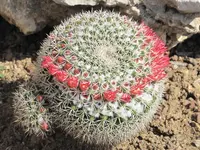
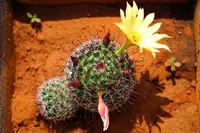
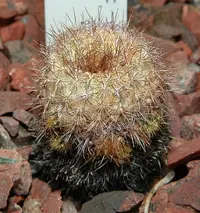
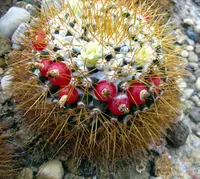
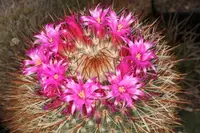
Mammillaria scrippsiana is a small, clustering cactus known for its neat, rounded stems covered in fine white spines that create a soft, frosted look. It often produces small pink to reddish flowers in a ring near the stem tips, adding subtle color contrast.
This species is native to arid regions of Mexico, where it grows on rocky slopes with excellent drainage and high light. Its compact size and slow growth make it suitable for containers and windowsills, especially for those learning how to care for Mammillaria scrippsiana.
The plant is generally considered easy to grow if given bright light, sharply draining mineral-rich soil, and infrequent but thorough watering, with dry periods between waterings.

Care Difficulty
Easy Care

Light Preference
Full Sun

Water Requirements
Low Water

Temperature Preference
Warm Climate

Hardiness Zone
9–11

Soil Texture
Sandy, Rocky, Loamy

Soil pH
Slightly acidic (6.5–7.0), Neutral (7.0)

Soil Drainage
Well-drained

Fertilization
Minimal (feed rarely)
Scan your plant to receive care tips personalized for your specific plant
Available on iOS and Android
This small desert cactus needs bright light that mimics open, rocky habitats.
Watering should imitate brief desert rains followed by dry periods.
This species prefers warm, dry conditions but tolerates moderate temperature swings.
This cactus prefers dry air and does not need extra humidity.
This species needs a fast-draining, mineral-based mix to prevent root rot.
This small cactus is very suitable for container growing.
This small cactus benefits from light feeding to support compact, healthy growth during the active season.
This cactus needs minimal pruning, mainly for health and appearance rather than shaping.
Container-grown plants benefit from infrequent but careful repotting to refresh the gritty substrate and manage offset clusters.
This species is commonly propagated from offsets, with seeds as a slower but viable option.
This cactus needs a cool, very dry winter rest to stay compact and flower well.

Plant Health Check
Not sure what's wrong with your plant? Check your plant's health inside the app.
This species forms dense white radial spines that almost completely obscure the green stem, an adaptation that reflects intense sunlight and reduces water loss in its native habitats of northern Mexico.
With age, it produces numerous offsets around the original stem, creating tight, cushion-like clumps that can eventually form low, rounded mounds on rocky slopes.
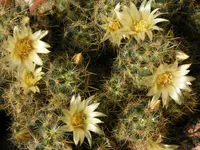
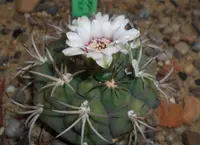
In favorable conditions, it produces small funnel-shaped white to pale pink flowers in a neat ring near the stem apex, usually appearing in late winter to spring earlier than many other small cacti of similar habitats.
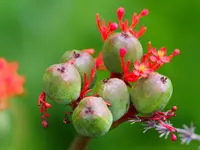
This species usually blooms in late winter to spring, producing small funnel-shaped flowers around the crown. Blooms are typically white to pale pink, sometimes with a darker mid-stripe, and are followed by small, elongated red fruits.
Keep your plants happy and healthy with plant identification, disease detection, and easy care guidance.