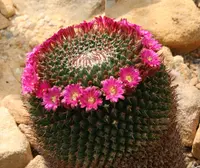
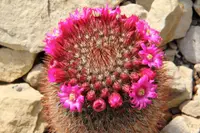
Cuddly cactus Care (Cereus jamacaru)

Also known as: Peruvian Apple Cactus, Pitaya, Queen Of The Night

About Cuddly cactus

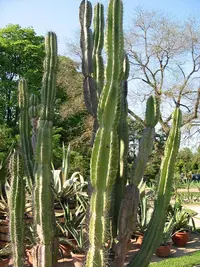
Cuddly cactus (Cereus jamacaru) is a columnar cactus species that forms tall, tree-like stems with sparse, sturdy spines and a strongly vertical habit. In cultivation it often appears as upright, ribbed blue‑green columns that can slowly branch with age.

This species is native to dry, rocky regions of northeastern Brazil, where it is adapted to strong sun, low rainfall, and well-drained, poor soils. Its drought tolerance and slow growth make it relatively low-maintenance, but cold sensitivity and a need for high light can challenge beginners.

In general, it prefers bright, direct light, infrequent but deep watering, and gritty, fast-draining soil, which guides how to care for Cuddly cactus indoors or outdoors in warm climates.

Main Plant Requirements

Care Difficulty

Easy Care

Light Preference

Full Sun

Water Requirements

Low Water

Temperature Preference

Tropical / Frost Sensitive

Hardiness Zone

10–12

Soil Texture

Sandy, Loamy, Rocky

Soil pH

Slightly acidic (6.5–7.0), Neutral (7.0)

Soil Drainage

Well-drained

Fertilization

Minimal (feed rarely)

Get Personalized Care Plan

Scan your plant to receive care tips personalized for your specific plant

Personalized Care in the App

Available on iOS and Android

How to Care for the Cuddly cactus

This cactus thrives in strong light and benefits from long daily sun exposure.

  • Provide 6–10 hours of direct sun daily; full south or west exposure suits mature plants, while young Cuddly cactus plants benefit from softer morning sun plus bright light the rest of the day.
  • In very hot regions, give light afternoon shade or filtered sun in midsummer to prevent bleaching or corky sunscald on stems.
  • If stems stretch, lean, or lose their bluish tone, light is insufficient; move to a brighter, more open location, especially in spring and early summer.

This species stores water in its stems and must dry out well between waterings.

  • Water only when the top 3–5 cm of soil are completely dry; in hot, dry weather this may mean deep watering every 2–4 weeks outdoors in very free‑draining soil.
  • Use gritty, fast‑draining soil so water runs through quickly; avoid any standing water around the root zone to reduce rot risk.
  • Signs of overwatering include yellowing, soft or mushy stems and a sour odor, while severe wrinkling and shriveling during the growing season indicate the need for a thorough soak.

This cactus prefers warm to hot conditions and is sensitive to frost.

  • Best growth occurs around 70–90°F (21–32°C); it tolerates brief heat up to 100–105°F (38–41°C) if soil drains well and air moves freely.
  • Protect from cold below 40°F (4°C); extended exposure near 32°F (0°C) can scar tissues, and hard frost may kill young or unacclimated plants.
  • In mild climates, it can stay outdoors year‑round; in cooler regions, position it where winter temperatures stay above 45°F (7°C), such as a sheltered wall or heat‑retaining microclimate.

This cactus tolerates a wide humidity range and suits typical indoor air without special adjustments.

  • Aim for 30–50% humidity, similar to most heated or air-conditioned homes, for stable growth of Cuddly cactus.
  • Dry air is usually tolerated, but very low humidity combined with heat can increase shriveling and faster substrate drying.
  • Watch for puckered stems and soft new growth as stress signs, and increase humidity slightly by grouping plants or placing nearby open trays of water.

Use a very fast-draining, mineral-rich cactus mix to keep roots oxygenated and prevent rot.

  • Combine roughly 50–60% coarse mineral material (pumice, perlite, coarse sand, small gravel) with 40–50% lean cactus potting mix for Cereus jamacaru.
  • Aim for slightly acidic to neutral pH around 6.0–7.0 to support nutrient availability without encouraging rot organisms.
  • Increase aeration by avoiding fine peat-heavy mixes that compact; use chunky particles that keep visible air spaces after watering.
  • Avoid dense, moisture-retentive garden soil, clay-based mixes, or containers without sharp drainage, which keep roots wet for too long.

This species is suitable for container growing if the pot is chosen to manage its fast, tall, and heavy growth.

  • Select a deep, heavy terracotta or concrete pot so the tall stem mass does not tip or shift in wind or minor bumps.
  • Use a pot only 2–4 in wider than the root ball to limit excess wet substrate that would stay moist around sparse roots.
  • Place large containers on wheeled platforms or stable stands that support the weight and allow small rotations for even light exposure.

Cereus jamacaru benefits from modest feeding during active warm-season growth, especially in containers.

  • Use a balanced liquid fertilizer (around 10-10-10) at 1/4–1/2 strength every 4–6 weeks in spring and summer.
  • For potted Cuddly cactus, a slow-release cactus fertilizer or thin layer of well-aged compost works well.
  • Always water lightly before applying fertilizer to reduce root burn risk.
  • Stop feeding in fall and winter when growth slows or stops.

Pruning Cereus jamacaru is mainly done to control size, improve structure, and remove weak tissue.

  • Carry out structural pruning in late spring or early summer once frost risk has passed.
  • Remove dead, damaged, rubbing, or inward-growing stems using clean, sharp loppers or a pruning saw.
  • Shortening or removing crowded branches improves light penetration and reduces top-heaviness.
  • Disinfect tools between cuts if disease is suspected to limit pathogen spread.

Transplanting or repotting Cereus jamacaru is infrequent but important when roots outgrow the space.

  • Check for roots circling the pot, emerging from drainage holes, or slowed growth as cues to move up 1 pot size every 3–5 years.
  • Plan transplanting for late spring or early summer, when warm temperatures support recovery.
  • Wear thick gloves, support the stem with soft ties or fabric, and disturb roots as little as possible.
  • After transplanting, set the plant in bright shade for 7–10 days, then resume normal sun and very light watering to limit stress.

Cereus jamacaru is commonly propagated from stem cuttings or seeds under warm, bright conditions.

  • Take 15–30 cm stem cuttings in late spring or early summer and let cut surfaces callus for 7–10 days.
  • Plant callused cuttings upright in a gritty, fast-draining cactus mix and keep slightly moist, not wet.
  • For seed, sow on the surface of sterile, sandy mix, then keep at 70–80°F with bright, indirect light.
  • Maintain good air circulation and avoid overwatering to reduce rot during rooting and germination.

Cereus jamacaru is sensitive to hard frost and needs basic winter protection in cold climates.

  • In-ground plants tolerate only brief light frosts; use 5–8 cm of dry mulch around the root zone in marginal areas.
  • Wrap tall stems with breathable frost cloth during cold snaps to limit tissue damage.
  • Move container plants indoors or to a frost-free garage, keeping them cool (45–55°F) and almost dry.
  • Water sparingly in winter, just enough to prevent shriveling, then resume normal watering in spring.

Care Tips

Early structural staking

Install a sturdy wooden or metal stake when the plant is still under 30–40 cm tall so the main stem grows straight and anchored, and secure it loosely with soft ties that will not cut into the expanding tissue.

Gradual sun hardening

If moving a plant from indoors or shade to full sun, increase direct light exposure by 30–60 minutes every few days to prevent sunscald and corky scars on the epidermis.

Basal pup management

Remove excess basal pups with a clean, sharp knife and allow cut surfaces to dry for several days before replanting, which keeps the main column strong while providing healthy offsets for propagation when you grow Cereus jamacaru.

Root zone insulation

In ground, apply a 3–5 cm layer of coarse mineral mulch such as gravel or pumice around but not touching the stem to reduce soil temperature swings and improve drainage at the crown.

Preventive mealybug checks

Inspect the areoles and rib grooves monthly with a hand lens, and at the first sign of mealybugs dab them with isopropyl alcohol on a cotton swab before resorting to broader chemical controls.

Common Pests and Diseases

Cochineal scale

This pest forms dense white, cottony clusters on stems and ribs, feeding on the cactus sap and weakening new growth. Symptoms include sticky residue and localized yellowing around feeding sites.

Solution

Remove colonies by scrubbing affected areas with a soft brush dipped in water with a small amount of mild soap or 70% isopropyl alcohol, then rinse well and let the plant dry. Reduce excess humidity, avoid overhead watering, and isolate heavily infested plants to limit spread while repeating cleaning every 7–10 days until no new patches appear.

Mealybugs

These insects appear as small white, fuzzy spots tucked into areoles and crevices, where they suck sap and cause stunted, distorted segments. Symptoms include honeydew, sooty mold growth, and slowed overall vigor.

Solution

Dislodge visible insects with cotton swabs dipped in 70% isopropyl alcohol, then spray the plant thoroughly with a solution of water and mild insecticidal soap, avoiding strong sun until dry. Inspect weekly, treat new clusters promptly, and improve light and airflow to limit re-infestation as part of long-term Cereus jamacaru plant care.

Red spider mites

These insects are tiny and often hard to see but cause fine yellow stippling and a dull, dusty look on green cactus tissue, sometimes with light webbing between ribs. Symptoms include slowed growth and a generally faded color during hot, dry periods.

Solution

Spray the cactus thoroughly with a strong stream of water to knock mites off, then apply a miticidal or insecticidal soap spray to all surfaces, including rib grooves and areoles. Increase humidity slightly around the plant without wetting the cactus surface constantly, and maintain good airflow and bright light to reduce mite pressure.

Stem bacterial soft rot

This disease causes water-soaked, soft, and often foul-smelling areas on stems that rapidly collapse if conditions stay warm and wet. Symptoms include dark, mushy patches that may ooze liquid when pressed.

Solution

Cut out all affected tissue with a sterile knife well into firm, healthy tissue, then allow the wound to dry and callus in a warm, dry place with excellent airflow. Disinfect tools between cuts, keep water off the stem, reduce watering until the plant recovers, and remove any plant debris from the soil surface to limit bacterial survival.

Fungal stem spots

This disease produces sunken, corky, or dark spots on stems that may slowly enlarge, especially after mechanical injury or prolonged moisture on the skin. Symptoms include rough, discolored patches that can merge and deform ribs over time.

Solution

Trim out localized lesions if they are small and accessible, then keep the plant in a dry, bright location so the cut surface can callus. Avoid evening or overhead watering, improve airflow around the cactus, and, if needed outdoors, apply a sulfur-based or copper-based fungicide to exposed plants during prolonged wet periods while avoiding use in very high heat.

Interesting Facts

Caatinga dryland specialist

This cactus is native to Brazil’s semi-arid Caatinga, where it withstands long droughts and intense sun by storing water in its tall, columnar stems and dropping many of its small leaves early in development.

Night-blooming bat partner

Its large, white, strongly scented flowers open at night and are primarily pollinated by nectar-feeding bats, which are attracted by the nocturnal fragrance and abundant nectar.

Key perch for seed dispersers

In its native range, the tall, branching stems often act as perches and nesting sites for birds that feed on its fruits and then disperse the seeds across the dry landscape, helping the species colonize open, rocky areas.

Botan icon

Did you know?

In some degraded dryland areas of northeastern Brazil, this species is intentionally left standing or planted in pastures as a living fence and emergency forage resource for livestock during severe droughts, because its water-rich stems can be cut and used as supplemental feed once the spines are removed.

FAQs about Cuddly cactus

Growth is relatively fast for a cactus. Young plants may add 15–45 cm per year in favorable outdoor conditions. Over time it can become a tall, tree-like column several meters high in warm climates.

Grow Healthy Plants with Botan Care

Keep your plants happy and healthy with plant identification, disease detection, and easy care guidance.

Botan plant care app — identify plants on mobile

Explore More Plants