Texas nipple cactus Care (Mammillaria prolifera)

Also known as: West Indian Nipple-cactus, Silver Cluster Cactus
Texas nipple cactus

About Texas nipple cactus

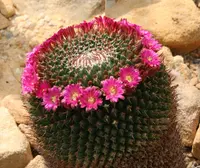
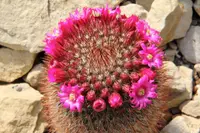
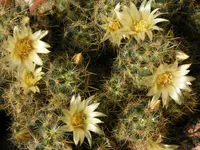
The Texas nipple cactus, Mammillaria prolifera, is a small clustering cactus with rounded stems covered in dense spines and often crowned with small pale yellow to cream flowers. It forms low mats over time as offsets develop around the main stem.

This species is native to parts of Texas, northeastern Mexico, and the Caribbean, where it grows in rocky, well-drained habitats with strong sun. It is considered an easy cactus for beginners because it tolerates some neglect, but needs plenty of light and minimal moisture. Understanding how to care for Texas nipple cactus mainly involves providing bright exposure, gritty soil, and careful watering to avoid rot.

Main Plant Requirements

Care Difficulty

Easy Care

Light Preference

Full Sun

Water Requirements

Low Water

Temperature Preference

Warm Climate

Hardiness Zone

9–11

Soil Texture

Sandy, Loamy, Rocky

Soil pH

Acidic (5.5–6.5), Slightly acidic (6.5–7.0)

Soil Drainage

Well-drained

Fertilization

Minimal (feed rarely)

Get Personalized Care Plan

Scan your plant to receive care tips personalized for your specific plant

Available on iOS and Android

How to Care for the Texas nipple cactus

This small cactus prefers bright, direct light with some protection during the hottest hours.

  • Provide 4–6 hours of direct morning sun plus bright, indirect light for the rest of the day, especially in spring and fall.
  • Texas nipple cactus tolerates light afternoon shade; in very hot climates, use filtered light or a sheer cover to prevent stem scorching.
  • In winter, maximize light by placing it in the sunniest spot available, as low light causes weak, elongated growth and fewer flowers.

Watering for this cactus should mimic brief desert rains followed by dry periods.

  • Allow the top 3–5 cm of soil to dry completely before watering, then soak thoroughly so excess drains away.
  • During active growth in spring and summer, expect to water every 10–21 days, guided by soil dryness rather than a fixed schedule for Mammillaria prolifera.
  • In fall and winter, reduce watering sharply; shriveling indicates mild thirst, while yellowing, softness, or a musty smell suggests overwatering and possible root rot.

This species prefers warm conditions but needs a cooler, dry rest in winter.

  • Aim for 70–85°F (21–29°C) in the main growth season, with good air movement to prevent heat buildup around the plant.
  • Protect from frost; it can briefly tolerate down to about 28–32°F (-2–0°C) if completely dry, but repeated freezing damages tissue.
  • In winter, a cooler, dry period around 45–55°F (7–13°C) encourages flowering, while in summer it can handle up to 95°F (35°C) if shaded from harsh afternoon sun.

This cactus prefers dry air and rarely needs extra humidity.

  • Keep relative humidity around 20–40%, similar to most heated indoor homes.
  • It tolerates drier air well; soft, pale, or swollen stems can signal excess humidity and poor evaporation.
  • If air is very humid, increase airflow with a fan and space plants apart instead of adding humidity when caring for Texas nipple cactus.

Use a very fast-draining, mineral-based mix to prevent root rot.

  • Choose a gritty, sandy substrate with large pores, such as a commercial cactus mix amended to be even more mineral-heavy.
  • Aim for roughly 60–80% inorganic materials like pumice, coarse perlite, and 2–4 mm grit, with only a small amount of low-peat organic matter.
  • Keep pH slightly acidic to neutral (about 6.0–7.0), avoiding salty, compacted, or clay-rich soil that holds water around the roots.
  • For Mammillaria prolifera, test drainage by fully soaking the pot and confirming excess water runs through within seconds, not minutes.

This species is very suitable for container growing.

  • Use a shallow, wide container so offsets have room to spread while roots remain close to the warmer upper substrate layer.
  • Select a pot material such as unglazed terracotta that speeds evaporation if watering tends to be on the generous side.
  • Ensure drainage holes are large and unobstructed so brief heavy waterings exit quickly instead of pooling at the base.

This small cactus benefits from light feeding but grows acceptably with minimal fertilizer.

  • Use a low-dose balanced cactus fertilizer (such as diluted balanced NPK or slow-release granules) during active growth in spring–summer.
  • Feed every 4–6 weeks in the growing season, skipping feeding if growth is very weak or light is poor.
  • Dilute liquid fertilizer to 1/4–1/2 strength to avoid root burn in this compact species.
  • Stop feeding Texas nipple cactus in late fall and winter when growth is dormant.

Mammillaria prolifera needs minimal pruning, mainly to maintain health and remove problem tissue.

  • Carry out any pruning in late spring or early summer, when growth is active and wounds seal faster.
  • Use clean, sharp scissors or small pruning snips to remove dead, diseased, or rotting stems at the base.
  • Clip off badly scarred or misshapen offsets to improve clump shape and reduce crowding.
  • Allow cut surfaces to dry and callus in a shaded, airy place before replanting or watering again.

This clustering cactus tolerates being root-bound and only needs repotting occasionally.

  • Check for roots circling the drainage holes, crowded offsets, or slowed growth as signs repotting is needed.
  • Plan to repot every 3–4 years in late spring, using a shallow pot just 2–3 cm wider than the old one.
  • Use a very free-draining cactus mix and gently loosen the root ball, removing old, compacted soil from the edges.
  • Handle the plant with tongs or folded paper, keep roots as intact as possible, and withhold watering for 5–7 days after repotting.

This species forms many offsets, making propagation straightforward for most home growers.

  • Divide offsets in late spring or early summer, choosing firm, healthy side shoots with visible bases.
  • Twist or cut offsets away using a sterile knife, then let cut surfaces callus for several days in a dry, shaded spot.
  • Plant offsets in a gritty, barely moist cactus mix and keep in bright, indirect light until roots form.
  • For seeds, sow on the surface of a sterile, fine cactus mix, keep 70–80°F and lightly moist until germination.

This cactus prefers cool, very dry winter conditions and is not suited to prolonged hard frost.

  • For containers, move plants indoors before temperatures drop below about 25°F, placing them in bright light.
  • Provide a cool rest at 45–55°F with almost no water to reduce rot risk and support flowering next season.
  • In the ground, use a gravel mulch around the root zone to improve drainage and limit freeze-thaw damage.
  • Avoid overhead watering in cold weather so stems stay dry, firm, and less prone to fungal problems.

Care Tips

Cluster management

Thin out or remove a few outer offsets with sterile tweezers or scissors every few years to improve airflow through dense clumps and reduce the risk of hidden rot or mealybug pockets.

Safe handling

Use folded newspaper strips, silicone-tipped tongs, or thick nitrile-coated gloves when repotting or dividing the plant so you can grip the spines securely without damaging the stems or injuring your hands.

Offset propagation

Detach firm, marble-sized offsets with a sterile knife, let the cut surfaces dry for 5–7 days, then set them on barely moist cactus mix so they root and create backup plants in case the main cluster is damaged.

Targeted pest checks

Inspect the plant monthly with a magnifying glass, focusing on the base of tubercles and where stems touch, so scale and mealybugs are spotted early and can be dabbed off with cotton swabs dipped in 70% isopropyl alcohol.

Winter rest timing

In regions with cool, bright winters, give the plant a dry, cool rest period and resume light watering only after day length increases and new growth buds appear, which helps synchronize blooming and supports long-term success when growing Texas nipple cactus.

Common Pests and Diseases

Mealybugs

This pest often hides in the woolly areoles and between clustered stems, sucking sap and weakening the plant over time. Symptoms include cottony white tufts, sticky honeydew, and distorted or stunted new growth.

Solution

Isolate the plant, then dab visible insects and cottony masses with cotton swabs dipped in 70% isopropyl alcohol, repeating weekly until no new clusters appear. For dense clumps, use a soft brush with diluted alcohol, improve light and air movement, and, if infestations persist, apply a labeled systemic insecticide suitable for cacti according to package directions.

Spider mites

These insects thrive on Mammillaria with fine spines, causing dull, dusty-looking stems and fine webbing between tubercles. Symptoms include faded green tissue, tiny yellow speckling, and an overall dry, stressed appearance despite correct watering.

Solution

Rinse the cactus gently under a lukewarm, moderate-pressure shower to remove mites and webbing, keeping the crown angled to avoid water pooling. Increase air circulation, avoid very hot and dry stagnant air, and if activity continues, apply a targeted mite spray labeled for ornamental cacti, treating all sides of the plant and repeating as directed.

Cactus scale

This pest appears as small, hard, tan or brown bumps on stems that do not wipe off easily and may cause yellow or sunken spots. This pest feeds on sap and can weaken clumping plants over time, especially in low airflow conditions.

Solution

Manually remove scales using a toothpick or soft brush dipped in 70% isopropyl alcohol, taking care not to scrape the epidermis. For larger colonies, treat with a systemic insecticide appropriate for succulents and monitor closely for several weeks, destroying any heavily encrusted offsets that do not recover.

Corky stem rot

This disease affects the lower parts of clustered stems when moisture remains around the base, causing brown, corky, or slightly sunken tissue that slowly spreads. Symptoms include hardened brown patches starting near the soil line, sometimes with a slightly musty odor but no soft mushy tissue at first.

Solution

Remove the plant from the pot, cut away affected basal tissue and any infected offsets with a sterile knife, and let healthy cut surfaces dry in bright, indirect light for several days. Repot only firm, clean segments into fresh, fast-draining cactus mix, reduce watering until new roots form, and keep the crown and base dry between waterings.

Fungal stem rot

This disease often follows mechanical injury or prolonged dampness and leads to soft, dark, or blackened spots on stems that may collapse rapidly. Symptoms include mushy tissue, discoloration spreading from a wound or water-sitting point, and sometimes an unpleasant smell.

Solution

Isolate the plant and immediately cut away all soft, discolored tissue well into firm, healthy flesh using a sterile blade, then dust cut surfaces lightly with sulfur or a copper-based fungicide. Allow remaining healthy segments to dry and callus for several days before re-rooting in fresh, dry cactus soil, and adjust watering and ventilation to avoid persistent surface moisture on stems.

Interesting Facts

Offsets Form Living Mats

This cactus produces many basal offsets that stay attached, creating dense, interconnected colonies that can cover rock crevices and shallow soil in its native habitats.

Hooked Central Spines

The central spines are often hooked at the tips, which helps the plant anchor among rocks and fallen debris and can trap bits of organic matter that slowly enrich the thin soil around the clump.

Nectar-Rich Yellow Flowers

It bears small pale yellow to cream flowers along a ring on the upper part of the stems, providing concentrated nectar for small native bees and other insects early in the season.

Botan icon

Did you know?

The bright red, elongated fruits of this species are edible and have been locally used as small, sweet trail snacks, which also helps disperse the seeds when animals and people eat them and move through the landscape.

FAQs about Texas nipple cactus

Lack of flowers usually relates to insufficient light, absence of a cool, dry winter rest, or the plant being too young. Overfertilizing and frequent repotting can also divert energy from bud formation.

Grow Healthy Plants with Botan Care

Keep your plants happy and healthy with plant identification, disease detection, and easy care guidance.

Botan plant care app — identify plants on mobile

Explore More Plants