


Strategic cluster spacing
Leave 1–2 cm between rosettes when repotting or combining plants so each rosette dries quickly after watering and air can circulate around the leaves to reduce rot and fungal issues.

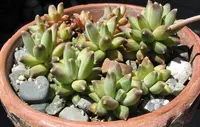
Pachyphytum compactum is a small, slow-growing succulent from rocky areas of central Mexico. It forms tight rosettes of thick, angular leaves that often show a pale, powdery coating. Colors range from bluish green to pinkish tones, especially in strong light or cooler temperatures. The plant stays low and compact, which makes it suitable for windowsills, small containers, and mixed succulent arrangements.
This species prefers bright light, low to moderate moisture, and very well-drained, gritty soil. Its drought tolerance and compact growth habit make it relatively easy for beginners who want to learn how to care for Pachyphytum compactum without complex routines.

Care Difficulty
Easy Care

Light Preference
Full Sun

Water Requirements
Low Water

Temperature Preference
Tropical / Frost Sensitive

Hardiness Zone
10–11

Soil Texture
Sandy, Loamy, Rocky

Soil pH
Slightly acidic (6.5–7.0), Neutral (7.0)

Soil Drainage
Well-drained

Fertilization
Minimal (feed rarely)
Scan your plant to receive care tips personalized for your specific plant
Available on iOS and Android
This compact succulent thrives with bright, direct light but needs protection from harsh extremes.
Watering should mimic dry, rocky habitats with brief, thorough soakings and long dry periods.
Temperature management focuses on warmth, dryness, and strict frost protection.
This succulent prefers dry air and does not need extra humidity control.
Use a very fast-draining, mineral-rich mix to prevent root rot.
This species is very suitable for container growing.
This compact succulent needs only modest feeding for healthy growth in containers.
Pruning needs are minimal and focus on hygiene and compact form.
This slow-growing succulent prefers infrequent repotting and a stable root environment.
This species is commonly multiplied from leaf or stem cuttings rather than seed.
Cold sensitivity means this succulent needs thoughtful winter conditions, especially in containers.

Plant Health Check
Not sure what's wrong with your plant? Check your plant's health inside the app.
The leaves form tight, overlapping spirals around the stem, creating a natural geometric pattern that has led to the common name little jewel.
Under strong light and mild drought stress, the normally blue‑green leaves can develop pink to purple tones, especially along the edges and tips.
Its leaves are covered in a fine, whitish, waxy bloom called epicuticular wax, which helps reduce water loss and protects the tissue from intense sunlight.
This species usually flowers once mature, often after several years. Lack of blooms is commonly due to insufficient light, no cool rest in winter, or excess nitrogen fertilizer. Gradual seasonal light and temperature changes support bud formation.
Keep your plants happy and healthy with plant identification, disease detection, and easy care guidance.

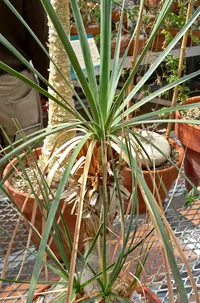
Mexican Pony Tail Palm
Beaucarnea gracilis
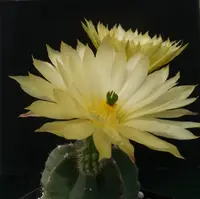
Echinocereus subinermis
Echinocereus subinermis
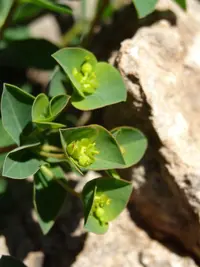
Euphorbia duvalii
Euphorbia duvalii
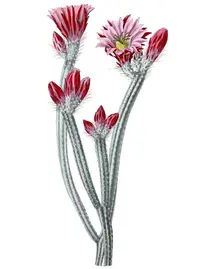
dahlia hedgehog cactus
Echinocereus poselgeri
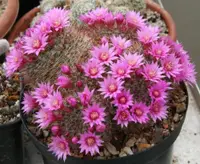
Mammillaria zeilmanniana
Mammillaria zeilmanniana
-1-200x150.webp)
Namibian Grape
Cyphostemma juttae
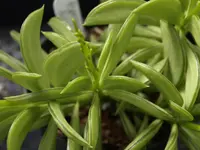
Prayer Pepper
Peperomia dolabriformis
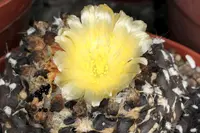
Copiapoa humilis
Copiapoa humilis