

Pachyphytum compactum Light Needs

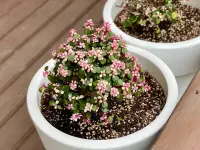
Pachyphytum compactum grows best in full sun to strong partial sun with several hours of direct light.

Light Preference

Full Sun

Pachyphytum compactum Light Requirements

Pachyphytum compactum is native to dry, rocky habitats in Mexico, where plants grow in exposed mineral soils and receive strong sun with periods of partial shelter from rocks or terrain.

Seasonal cloud cover and sun angle can reduce intensity, but shade is not the normal condition. In cultivation, this background explains its need for intense light and compact growth. It prefers full sun to strong partial sun.

  • Ideal exposure:

    Pachyphytum compactum needs about 6–8 hours of bright light daily, ideally full sun or strong partial sun with 4–6 hours of direct sun.

  • Direct sun:

    Acclimated plants tolerate full sun, but sudden hot afternoon exposure can scorch the thick leaves.

  • Partial sun:

    Strong partial sun is acceptable if the plant still receives several direct morning or late-day sun hours.

  • Low light:

    Shade is not suitable for long-term growth and usually leads to stretched, open growth.

Indoors, choose the brightest window available and give the plant direct sun whenever possible.

NPoor
North-facing window:

A north-facing window is usually too dim unless it is unusually bright or supported by supplemental light.

ESuitable
East-facing window:

An east-facing window is suitable if it provides several hours of direct morning sun and bright light for the rest of the day.

SBest
South-facing window:

A south-facing window is usually best, especially within 1–2 ft of the glass where direct sun is strongest.

WConditional
West-facing window:

A west-facing window can work well if afternoon sun is introduced gradually and extreme summer heat is monitored.

If the plant starts stretching, move it closer to the brightest safe light source rather than leaving it in weak light.

Strong sun can cause damage when exposure changes too quickly.

Bleached patches:

Leaves may develop pale tan or whitish areas on the sun-facing side, especially after a sudden move outdoors.

Dry scars:

Sunburned spots can turn corky or brown and stay visible because damaged succulent tissue does not green up again.

Collapsed spots:

Severe hot sun may leave shallow, sunken patches where the thick leaf surface overheated.

Harsh color shift:

A stronger pink or purple cast can be normal stress color, but paired with scarring it suggests too much direct sun.

Move the plant back from the harshest afternoon rays or filter the light. Reintroduce brighter sun over 1–2 weeks so new growth can adjust.

Weak light changes the shape before it causes serious decline. Pachyphytum compactum should stay compact and firm in adequate light.

  • Stretched stem:

    The central stem may lengthen as the plant reaches toward stronger light.

  • Open rosette:

    Leaves may spread farther apart instead of forming a tight, compact shape.

  • Leaning growth:

    New growth may angle strongly toward the nearest bright window or light source.

  • Small new leaves:

    New leaves may be smaller, thinner-looking, or less firm during active growth.

  • Duller color:

    The leaf surface may look flatter and less defined when light stays weak.

Move it to the brightest suitable indoor position, or add more direct morning sun. Increase exposure gradually if the plant has been in shade for several weeks.

If full sun is not available, choose the brightest spot with several hours of gentle direct sun. This is the best compromise for Pachyphytum compactum light needs in a typical home.

Move the pot closer to the glass when light is weak, and rotate it every 1–2 weeks to keep growth even.

Avoid deep rooms and permanently shaded shelves because they produce stretched, loose growth.

Get Personalized Care Plan

Scan your plant to receive care tips personalized for your specific plant

FAQ

The best light for Pachyphytum compactum is full sun to strong partial sun. Aim for 6–8 hours of bright exposure daily, with several hours of direct sun.

More Plant Light Guides

Get the Botan App

Discover how to care for your plants with Botan.

Botan app identifying a plant with a phone camera
Best Time to Water Grass in Summer – Lawn Watering Tips

5 min read · 21 Jul 2026

Best Time to Water Grass in Summer – Lawn Watering Tips

Summer watering is easy to get wrong. This guide explains when to turn on your sprinkler, how much liquid your grass needs each week, and how to tell if you're overwatering or underwatering.

Plant Care
Best Time to Water Grass in Summer – Lawn Watering Tips
13 Best Front Yard Trees for Every Home and Yard

12 min read · 7 Aug 2026

13 Best Front Yard Trees for Every Home and Yard

A front yard tree can stay for decades. Therefore, choosing one deserves serious consideration. Here are 13 trees that have proven themselves, sorted by their purpose. You'll also find five species to avoid and basic planting information.

Plant Recommendations
13 Best Front Yard Trees for Every Home and Yard
How to Clean Plant Leaves: A Simple Care Guide

6 min read · 4 Aug 2026

How to Clean Plant Leaves: A Simple Care Guide

Dusty leaves look dull and don't absorb light well. Below, you'll find simple ways to clean them, which tools are truly effective, how often you should do it, and what causes damage.

Beginner Guides
How to Clean Plant Leaves: A Simple Care Guide