


Cactus (Ferocactus herrerae) Light Needs

Cactus grows best in full sun, with strong, direct sunlight for much of the day.

Light Preference

Full Sun

Ferocactus herrerae Light Requirements

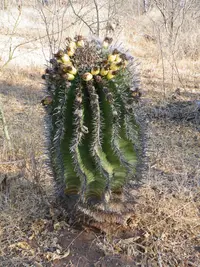
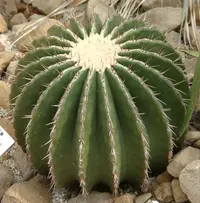
Ferocactus herrerae is native to arid parts of northwestern Mexico, where it grows in open, rocky terrain with intense sun, low rainfall, and little overhead shade. In habitat, its ribbed body and spines are adapted to bright exposure rather than filtered understory light. Cultivated plants keep their strongest form when light is similar. Preferred light is full sun.

  • Ideal exposure:

    Ferocactus herrerae needs about 6–8 hours of full sun daily, including at least 6 hours of direct sun when possible.

  • Direct sun:

    Established plants tolerate strong sun well, especially outdoors or in a very bright, unobstructed indoor spot.

  • Weak light:

    Low light is not suitable for long-term growth and often leads to stretched, less sturdy new growth.

  • Afternoon sun:

    Hot afternoon sun is usually tolerated, but plants moved from shade or indoors need gradual exposure first.

Indoors, place this plant where it receives the strongest direct sunlight available.

NPoor
North-facing window:

A north-facing window is usually too dim and does not provide enough direct sun for healthy long-term growth.

ESuitable
East-facing window:

An east-facing window can work if it provides direct morning sun and no outdoor obstruction blocks the glass.

SBest
South-facing window:

A south-facing window is usually the best indoor option, especially when the plant sits within 1–2 ft of the glass.

WSuitable
West-facing window:

A west-facing window can be suitable after gradual acclimation, but watch for surface bleaching during hot summer afternoons.

If indoor light is weak even in the brightest spot, growth may stay slow and less compact.

Ferocactus herrerae tolerates full sun, but sudden stronger light can still cause damage.

Bleached patches:

Pale yellow, white, or tan areas may form on the sun-facing side after sudden exposure.

Corky scars:

Older sunburn spots can dry into rough, tan patches that do not turn green again.

Red stress color:

A reddish or bronze tint can appear when sun intensity rises faster than the plant can adjust.

Localized shriveling:

Small sun-facing areas may look dry or slightly sunken while shaded parts remain normal.

Move it out of the harshest afternoon sun, then reintroduce stronger light over 1–2 weeks. Indoors, shift it slightly back from hot glass if the sun-facing side is bleaching.

Ferocactus herrerae does not stay healthy in shade. Low-light signs usually show in new growth first.

  • Stretched crown:

    New growth may narrow or elongate at the top instead of staying rounded and firm.

  • Leaning body:

    The plant may tilt toward the strongest light source as it searches for better exposure.

  • Weaker spines:

    New spines may appear shorter, thinner, or spaced farther apart than older growth.

  • Fewer flowers:

    Mature plants may flower less often when they do not receive enough direct sun.

Move it to a brighter location with direct sun, increasing exposure gradually if the previous spot was dim. A grow light may help when natural light is limited.

If ideal full sun is not available, choose the brightest unobstructed spot and prioritize several hours of direct sun over long periods of weak room light.

Rotate the pot a quarter turn every 1–2 weeks during active growth so the body stays upright and evenly exposed.

A shaded room or distant shelf is unsuitable because it cannot meet Ferocactus herrerae light needs for compact growth.

Get Personalized Care Plan

Scan your plant to receive care tips personalized for your specific plant

FAQ

For Cactus light requirements, aim for full sun with strong direct exposure for much of the day. Indoor plants need the brightest available position to maintain compact growth.

More Plant Light Guides

Get the Botan App

Discover how to care for your plants with Botan.

Botan app identifying a plant with a phone camera
13 Best Front Yard Trees for Every Home and Yard

12 min read · 7 Aug 2026

13 Best Front Yard Trees for Every Home and Yard

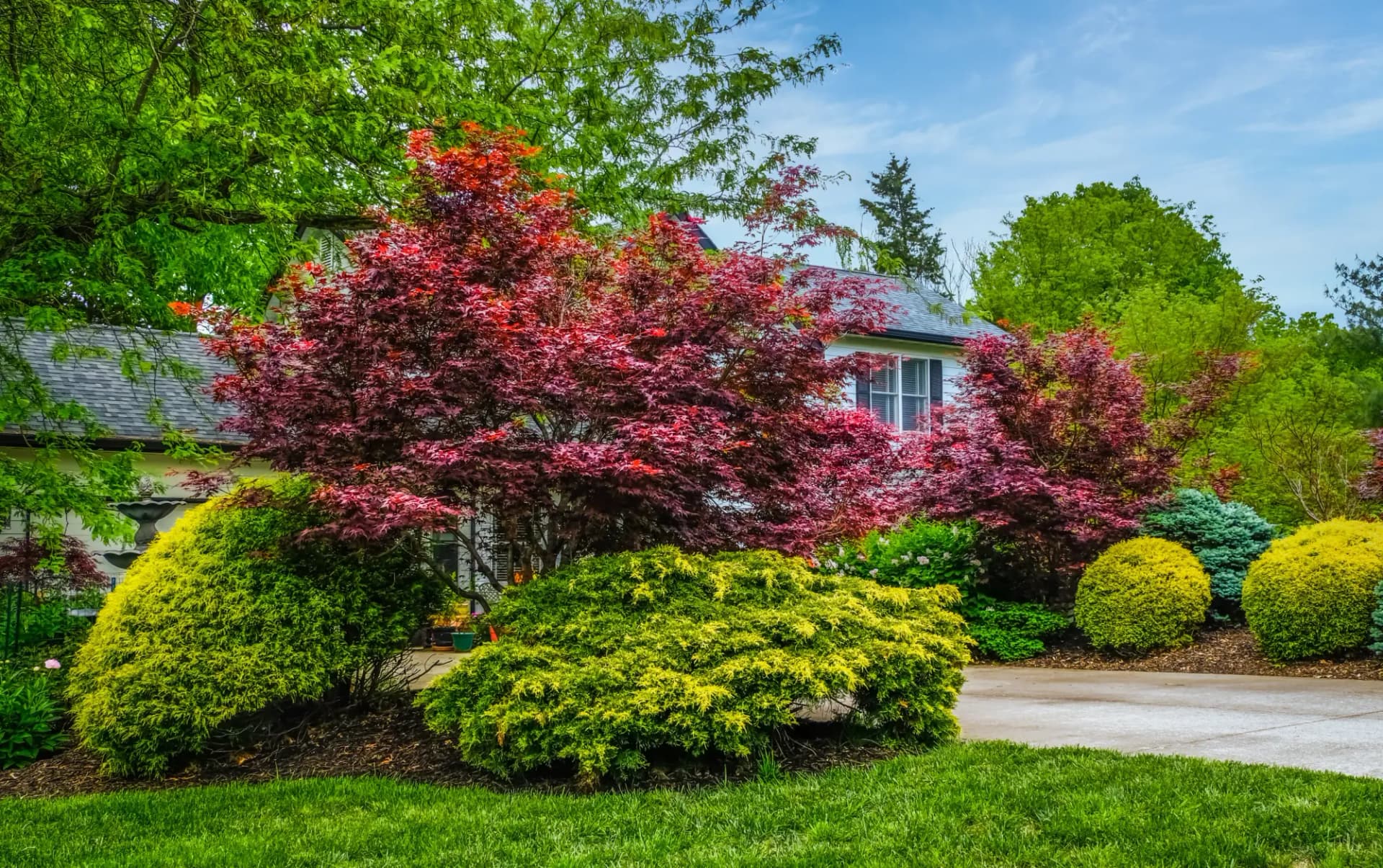
A front yard tree can stay for decades. Therefore, choosing one deserves serious consideration. Here are 13 trees that have proven themselves, sorted by their purpose. You'll also find five species to avoid and basic planting information.

Plant Recommendations
13 Best Front Yard Trees for Every Home and Yard
How to Group Plants in Landscaping: A Practical Layout Guide

8 min read · 31 Aug 2026

How to Group Plants in Landscaping: A Practical Layout Guide

Good plant grouping can mean the difference between a well-planned garden and one that looks sloppy. This guide explores layers, spacing, cluster shapes, and the plants that thrive when you group them.

Plant Care
How to Group Plants in Landscaping: A Practical Layout Guide
Banana Peel Water for Plants: 5 Things to Know Before Trying It

5 min read · 9 Jul 2026

Banana Peel Water for Plants: 5 Things to Know Before Trying It

Banana water can provide potassium and some nutrients that may support plant growth, but it is not a universal fix. Use it carefully and only when the plant actually shows signs of nutrient deficiency rather than as a routine treatment.

Plant Care
Banana Peel Water for Plants: 5 Things to Know Before Trying It