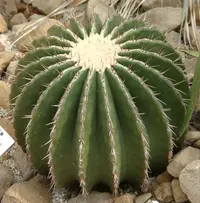





Cactus (Echinocactus platyacanthus) Light Needs

Cactus grows best in full sun, with several hours of direct light each day and very bright exposure.

Light Preference

Full Sun

Echinocactus platyacanthus Light Requirements

Echinocactus platyacanthus is native to arid and semiarid areas of central Mexico, where it grows in open scrub, rocky slopes, and exposed limestone soils. These habitats offer intense light, low shade, and strong seasonal sun.

In cultivation, the same open exposure supports compact, rounded growth and firm rib development. Brief light shade can help during extreme heat or after moving the plant. It prefers full sun.

  • Ideal exposure:

    Cactus needs about 6–8 hours of full sun or very bright light daily, including 4–6 hours of direct sun when possible.

  • Direct sun:

    Established plants tolerate full sun outdoors, but plants grown behind glass or in shade need gradual exposure to prevent surface scorch.

  • Partial sun:

    Partial sun is tolerated for short periods, but dim rooms reduce strong, rounded growth.

  • Afternoon heat:

    Morning sun is easiest after indoor conditions; intense afternoon sun is safer after 1–2 weeks of acclimation.

Indoors, this plant needs the brightest available position and direct sun for part of the day.

NPoor
North-facing window:

A north-facing window is usually too dim, even close to the glass, unless supplemental light is used.

EConditional
East-facing window:

An east-facing window is acceptable only if it receives strong morning sun and the plant is otherwise kept very bright.

SBest
South-facing window:

Place it within 1–2 ft of an unobstructed south-facing window, where it can receive the longest direct sun indoors.

WSuitable
West-facing window:

A west-facing window can work if it gets several hours of afternoon sun and the plant is acclimated to stronger heat.

Rotate the pot occasionally so the ribs receive light more evenly.

Strong sun usually causes trouble after a sudden move from shade or indoor glass.

Bleached patches:

Pale tan or whitish areas may appear on the sun-facing side, especially along raised ribs.

Corky scars:

Damaged skin can dry into rough, fixed patches that do not turn green again.

Bronzed surface:

A reddish or bronze cast can signal stress when paired with recent stronger exposure.

Uneven pattern:

Marks usually stay on the side facing the hottest direct sun rather than covering the whole body.

Move the plant out of harsh afternoon sun, then increase direct light gradually over 1–2 weeks. Provide light midday shade during heat waves or after any major location change.

Weak light shows in new growth, not older scarred tissue. Echinocactus platyacanthus may change shape slowly during the active growing season.

  • Stretched crown:

    New growth may narrow or rise unevenly instead of staying firm and rounded.

  • Leaning body:

    The plant may angle toward the brightest side when light comes from one direction.

  • Small new growth:

    Active-season growth can be thinner or less defined than growth made in stronger sun.

  • Few flowers:

    Mature plants are less likely to bloom when they receive too little direct sun.

Move it to brighter exposure in stages, starting with gentle morning sun. Avoid moving a shaded plant straight into intense afternoon sun.

Choose the brightest spot available when full sun is limited, and prioritize 3–4 hours of direct morning sun over dim all-day exposure.

Increase direct sun in small steps after a move, adding about 1–2 hours every few days if the surface stays unmarked.

Avoid shaded shelves or rooms set far from natural light; this setup does not meet Echinocactus platyacanthus light needs.

Get Personalized Care Plan

Scan your plant to receive care tips personalized for your specific plant

FAQ

Cactus light requirements are full sun, ideally 6–8 hours of very bright exposure daily. Several hours of direct sun help keep growth compact and rounded.

More Plant Light Guides

Get the Botan App

Discover how to care for your plants with Botan.

Botan app identifying a plant with a phone camera
12 Best Cold-Hardy Vegetables for Cold Weather

7 min read · 13 Oct 2026

12 Best Cold-Hardy Vegetables for Cold Weather

Cold-hardy vegetables can keep a garden productive through chilly fall, winter, and early spring weather. This guide covers 12 reliable crops, their frost tolerance, and practical growing tips for better cold-season harvests.

Plant Recommendations
12 Best Cold-Hardy Vegetables for Cold Weather
How To Revive a Dying Plant: 6 Steps To Bring A Plant Back To Life

6 min read · 1 Sept 2026

How To Revive a Dying Plant: 6 Steps To Bring A Plant Back To Life

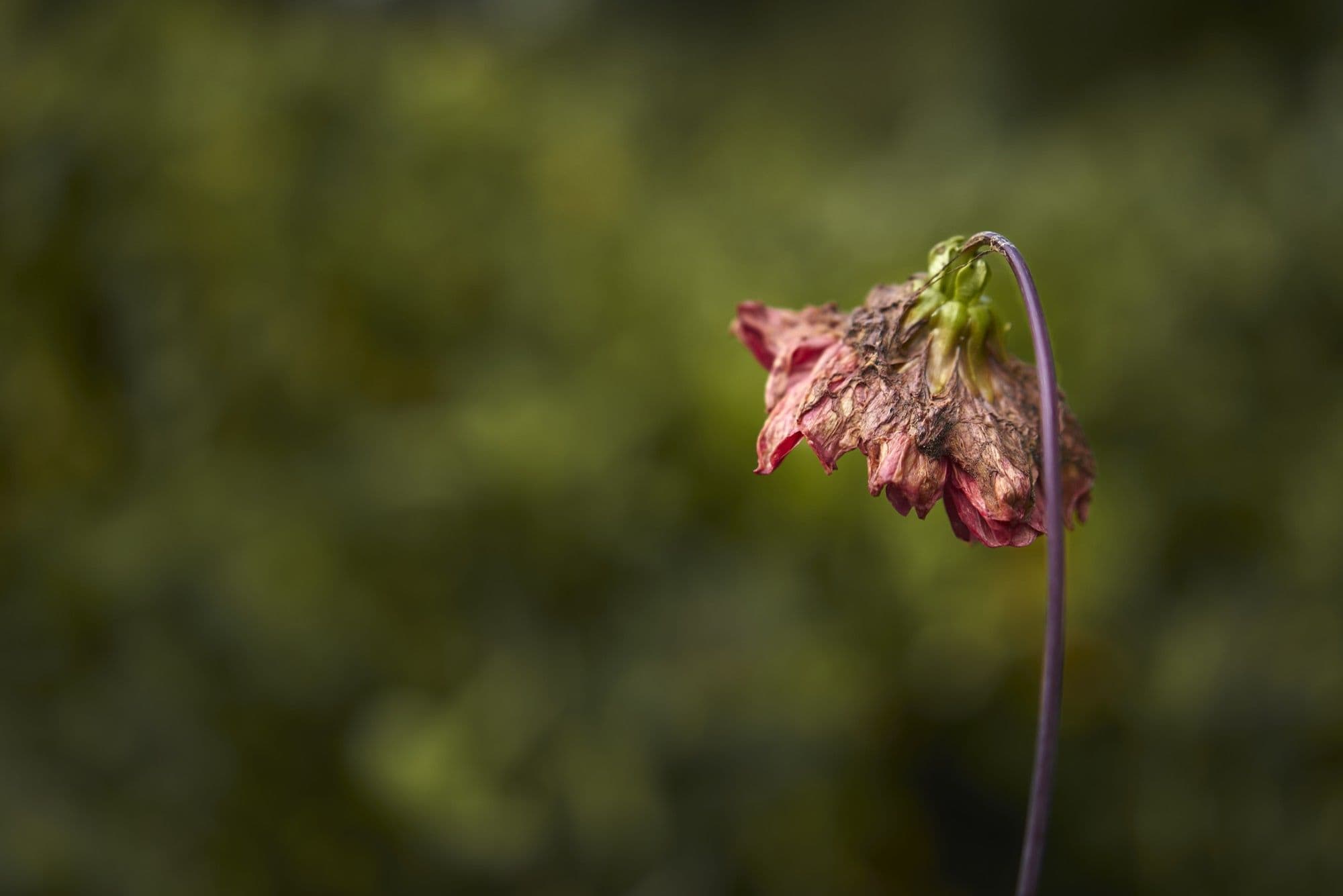
Drooping leaves and brown tips don't always mean the end, and a weakened plant can often recover with a little help. These six simple steps will help you revive a dying plant and restore its health.

Plant Care
How To Revive a Dying Plant: 6 Steps To Bring A Plant Back To Life
Dill Companion Plants – What to Grow Next to Dill

9 min read · 17 Jul 2026

Dill Companion Plants – What to Grow Next to Dill

Dill is an easy-to-grow plant that gets along well with many vegetables. This guide describes 15 plants that can be planted alongside it, a few to avoid, and mistakes that can quietly sabotage the entire process.

Plant Recommendations
Dill Companion Plants – What to Grow Next to Dill