


7 min read · 24 Aug 2026
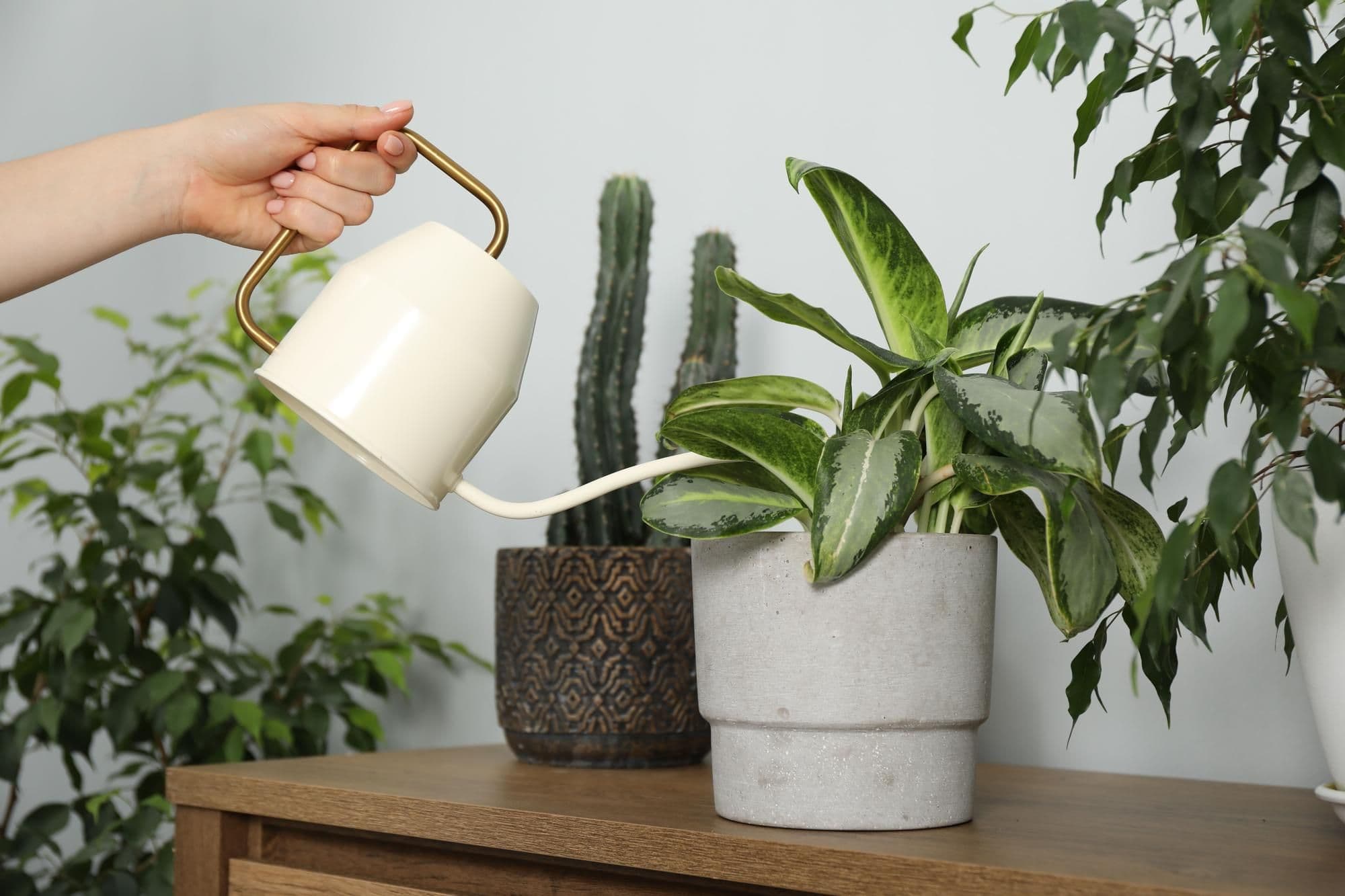
How to Water Houseplants: Watering Guide
Learn how often to water indoor plants, key factors for proper watering, and how to adjust the care routine by plant type, season, pot size, light, and indoor conditions.
Plant Care

Money Tree grows best in bright, indirect light with some gentle direct sun if introduced gradually.

Light Preference
Bright Indirect Light
Pachira aquatica is native to humid tropical wetlands and riverbanks in Central and northern South America, where light ranges from open sun along exposed water edges to filtered light near surrounding vegetation. Young plants often establish with some protection from harsh overhead sun, while mature plants can receive stronger seasonal sunlight. Its preferred cultivated light is bright, indirect or filtered light.
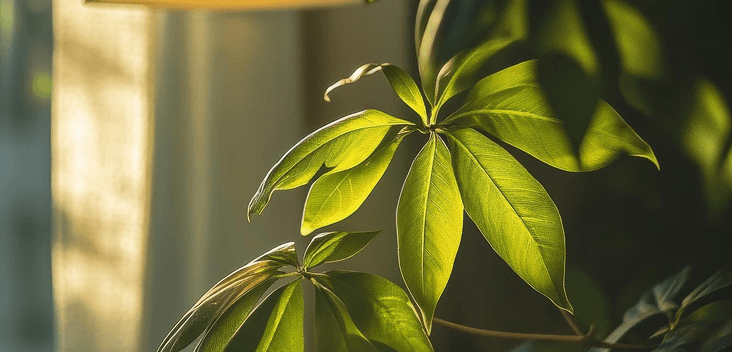
Money Tree needs about 6–8 hours of bright, indirect or filtered light daily, including 1–3 hours of gentle direct morning sun.
Acclimated plants can handle several hours of direct sun outdoors, but indoor plants need gradual exposure and protection from hot afternoon glass.
Moderate indoor light is tolerated, but dim rooms usually lead to slower growth and a thinner canopy.
Strong west or south afternoon sun is the riskiest exposure because leaflets can scorch when heat builds near windows.
Indoors, Money Tree performs best near a bright window with softened direct sun.
A north-facing window is only workable if it is large, unobstructed, and still bright for most of the day.
An east-facing window is usually the best indoor placement because it gives gentle morning sun and bright light later in the day.
A south-facing window is suitable when the plant is set 2–4 ft back or the strongest midday rays are filtered.
A west-facing window can work with a sheer curtain or distance from the glass to reduce hot afternoon sun.
Choose the brightest spot that avoids long, hot afternoon sun on the leaves.
Strong light usually causes damage on the most exposed leaves.
Pale, washed-out areas can appear where leaflets face intense sun, especially after a sudden move.
Dry tan or brown patches may form on upper leaf surfaces closest to hot glass.
Scorched areas can feel thin and crisp while shaded parts of the same leaf stay greener.
Leaves may hang or curl during hot afternoon exposure, then look steadier once out of the beam.
Move the plant back from direct afternoon sun or add a sheer curtain. Keep brighter exposure gradual over 1–2 weeks.
Weak light changes the shape of growth before severe decline appears.
New growth may lengthen with wider gaps between leaves as the plant reaches toward brighter light.
Stems and leaf clusters may angle strongly toward the nearest light source.
Fresh leaflets may emerge smaller or fewer when light remains low during the active growing season.
Little change in spring or summer can suggest the plant is receiving too little usable light.
Move it to brighter indirect light, making the change over several days. Rotate the pot after moving so new growth fills in more evenly.
When ideal exposure is not available, choose the brightest usable room and place the plant where the leaf canopy sees clear daytime brightness without hot rays.
Filter intense rays with a sheer curtain, or move the pot 2–4 ft from the strongest sun patch.
Rotate the pot a quarter turn every 1–2 weeks to keep the canopy balanced. A dim corner far from daylight is unsuitable because stems will stretch.
Plant Light Guide
Find the ideal light conditions for your plant and support healthy growth
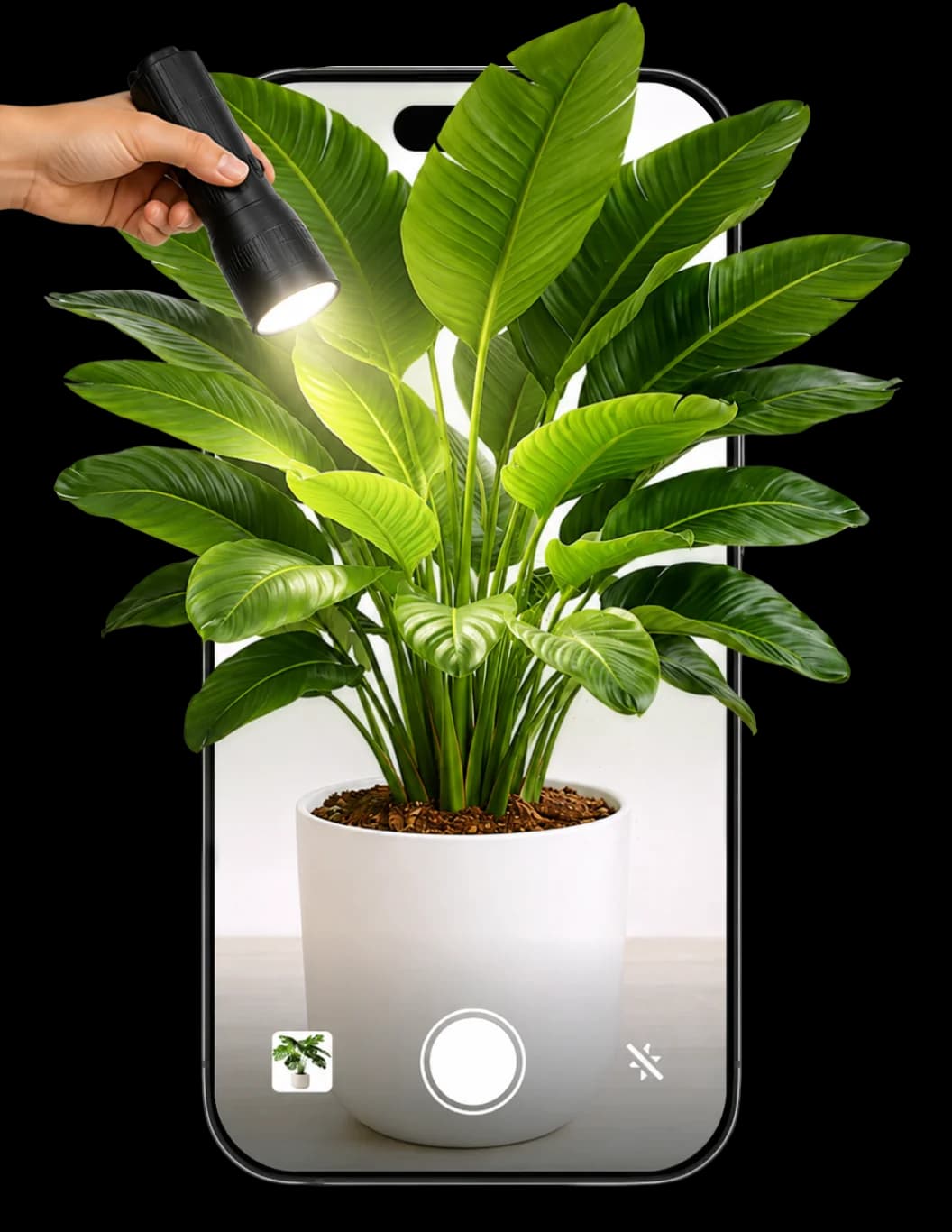
Scan your plant to receive care tips personalized for your specific plant
This plant grows best with bright, indirect or filtered light for most of the day. A few hours of soft morning sun can help, but harsh afternoon sun should be moderated.
Discover how to care for your plants with Botan.
7 min read · 24 Aug 2026
Learn how often to water indoor plants, key factors for proper watering, and how to adjust the care routine by plant type, season, pot size, light, and indoor conditions.
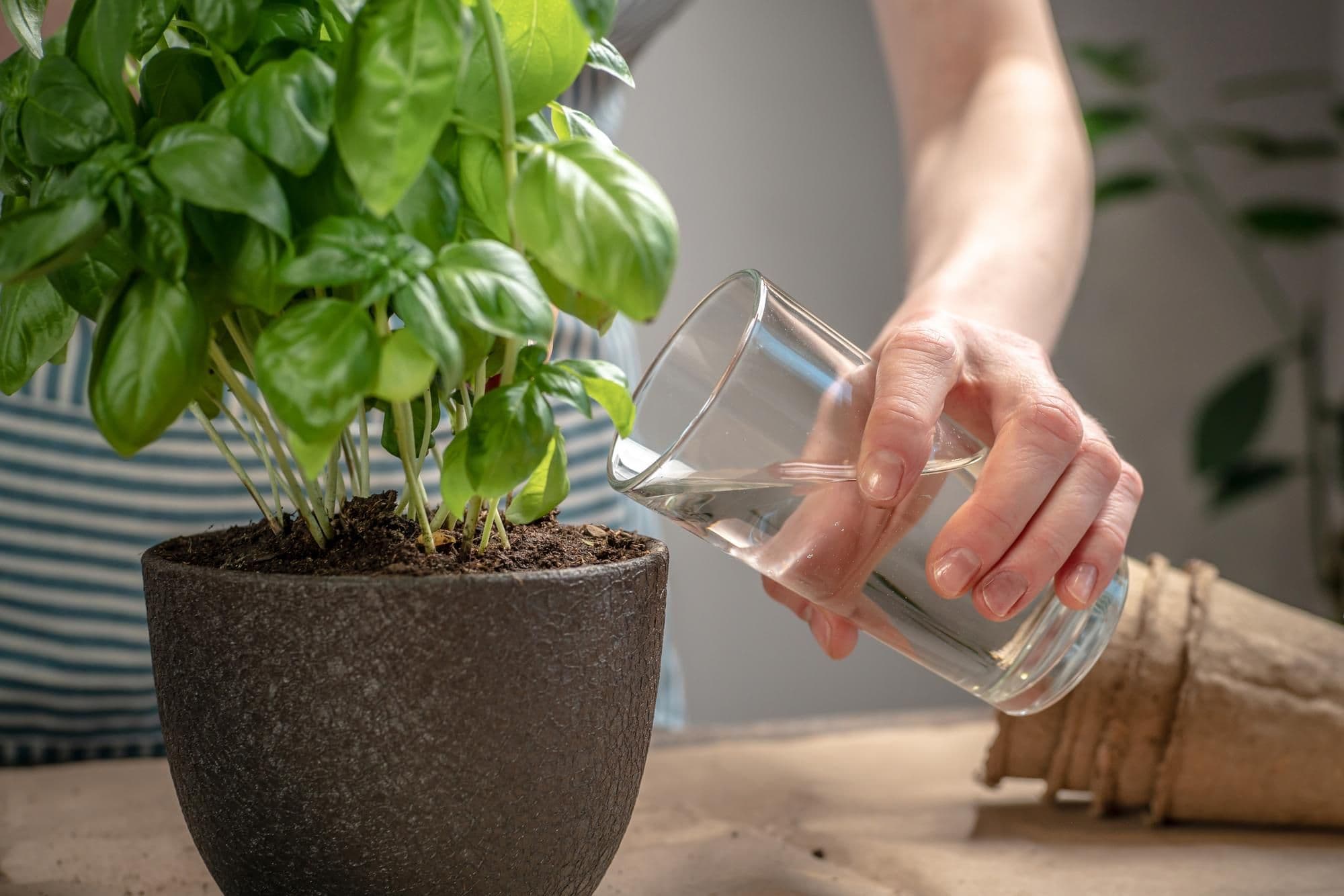
4 min read · 14 Sept 2026
Sugar water may sound like an easy boost, but most rooted plants do not need extra sucrose. This guide explains how green tissues produce carbohydrates, when a sweetened solution can be useful, and why too much can cause problems.
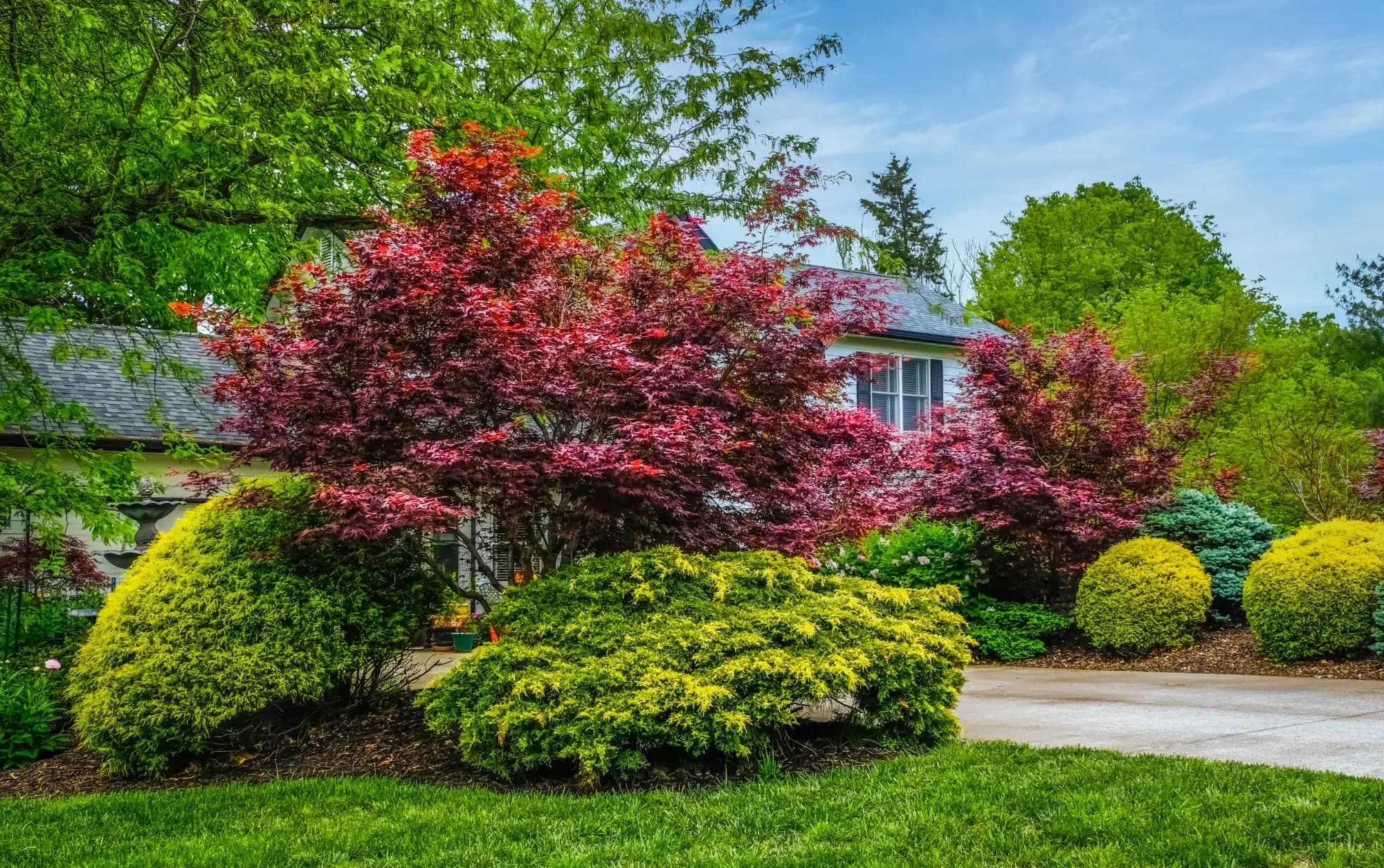
12 min read · 7 Aug 2026
A front yard tree can stay for decades. Therefore, choosing one deserves serious consideration. Here are 13 trees that have proven themselves, sorted by their purpose. You'll also find five species to avoid and basic planting information.