

7 min read · 6 Aug 2026
Planting Grass Seed in Summer – What Works and What Fails
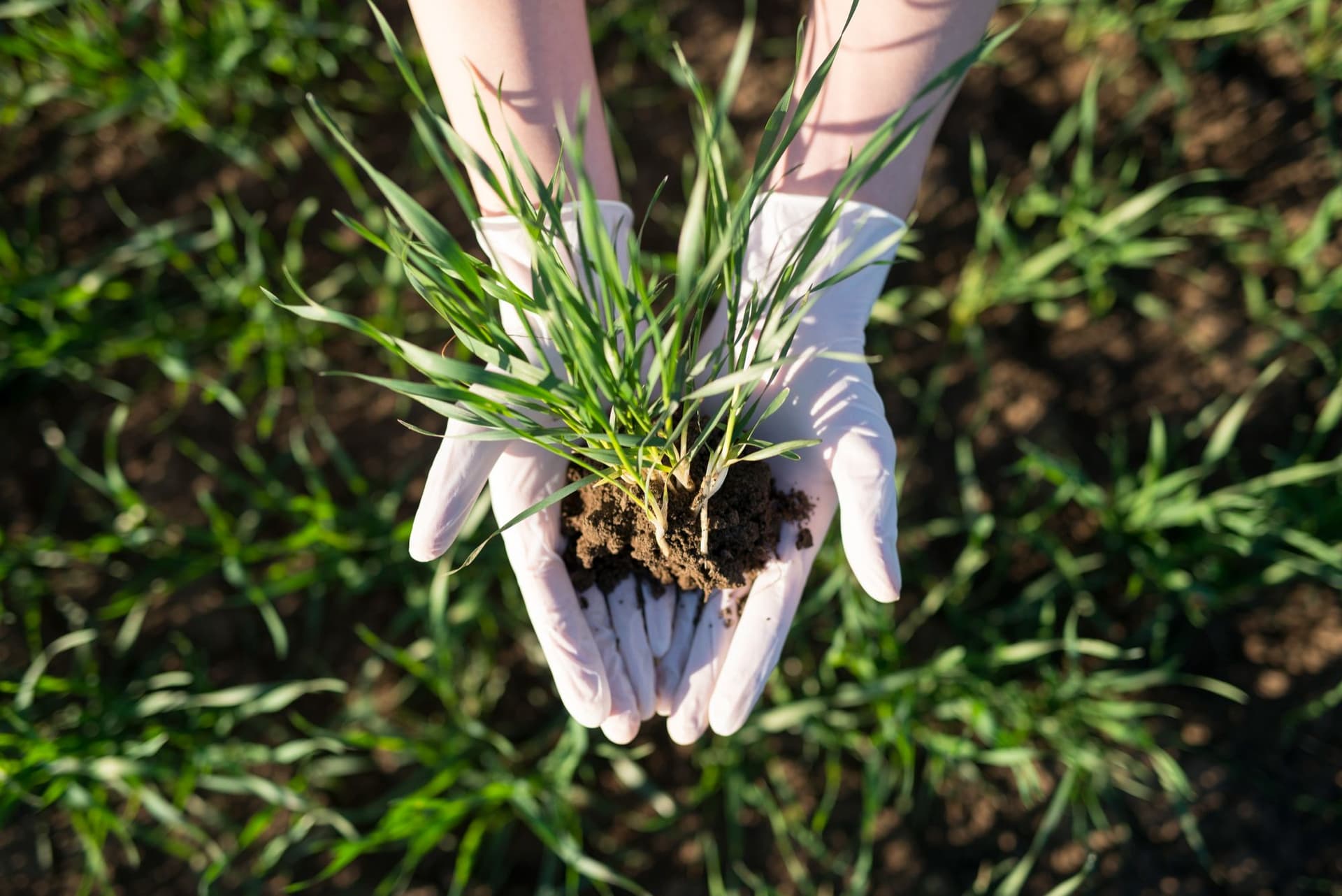
Summer seeding succeeds when the grass type suits the season, and the soil stays moist. Find out how to prepare the seedbed and choose a safe window for planting.

Inch Plant grows best in bright, indirect light with limited gentle morning sun and protection from harsh afternoon rays.

Light Preference
Bright Indirect Light

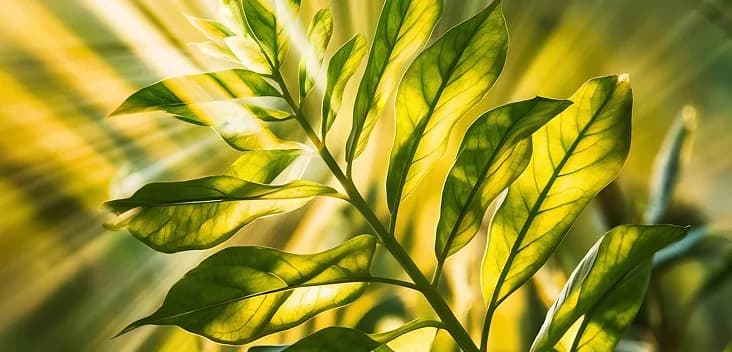
The species behind this cultivar grows in humid, mild habitats where stems spread along the ground and climb through low vegetation. In these settings, leaves receive filtered light, broken morning sun, and shade during the hottest part of the day rather than all-day open sun.
This background explains its indoor preference for strong light without heat buildup. Preferred light is bright indirect light.
Ideal exposure: Tradescantia fluminensis 'Variegata' needs about 6–8 hours of bright, indirect or filtered light daily, including up to 1–2 hours of gentle direct morning sun.
Brief early sun is tolerated, but hot midday or afternoon sun can scorch the thin leaves.
Shade is tolerated for survival, but growth becomes looser and variegation often fades.
Winter light is weaker, so a brighter position may be useful if stems start stretching.
Indoors, choose the brightest spot that avoids long, hot direct sun.
Use a north window only if it is very bright and unobstructed; otherwise growth may stretch.
Place it within 1–3 ft of an east window for bright light and gentle morning sun.
Set it 3–6 ft back from a south window or filter the glass with a sheer curtain.
Use a west window only with filtering or distance, because afternoon sun can be too intense.
If leaves look pale or stems lean, adjust the plant gradually rather than moving it into strong sun at once.
Excess light usually shows after sudden exposure to strong direct sun.
Cream and pale green areas may develop dry tan spots where rays hit the leaf surface.
New leaves can look washed out or papery when light is intense for several hours.
Leaves may curl or angle away from the window during hot afternoon exposure.
Marks often appear on the side facing the window while shaded leaves remain normal.
Move the plant out of harsh sun and keep it in bright filtered light. If the spot is still strong, add a sheer curtain or increase the distance from the glass.
Too little light changes growth before it causes obvious decline. Watch the newest stems first.
New leaves may sit farther apart, making vines look thin and stretched.
Cream areas may shrink as new growth turns more solid green.
Fresh leaves can emerge smaller than older leaves during the growing season.
Stems may point toward the nearest window instead of filling the pot evenly.
Move it to brighter indirect light over several days. Avoid correcting low light with sudden harsh sun, which can scorch tender growth.
When ideal bright indirect light is limited, choose the brightest available area and keep the plant close enough that stems do not lean. Accept filtered morning sun over dim shade.
Rotate the pot every 1–2 weeks to keep growth even and prevent one side from stretching toward the light.
Avoid unfiltered afternoon sun against glass because thin variegated leaves can scorch quickly.
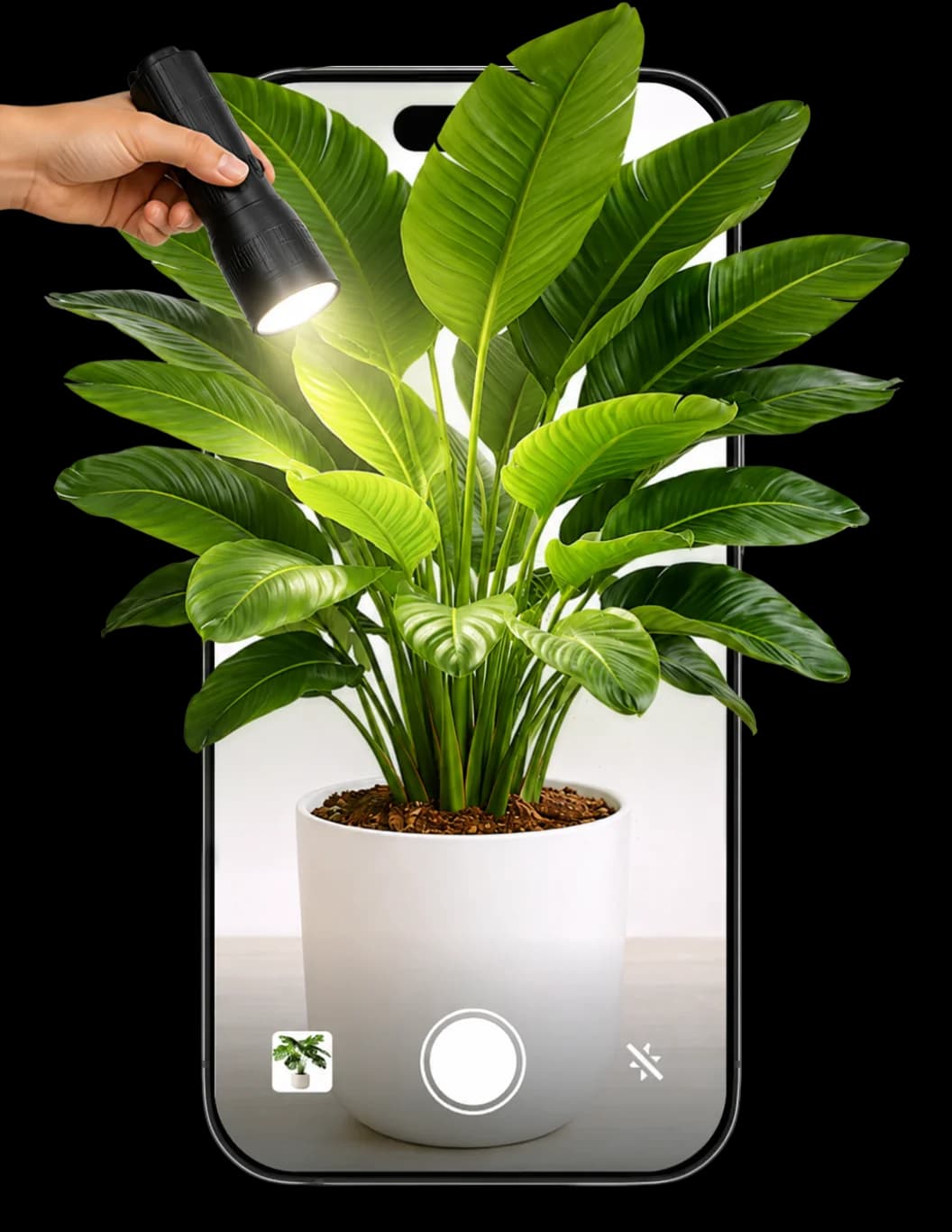
Scan your plant to receive care tips personalized for your specific plant
The best light for Inch Plant is bright indirect or filtered light for most of the day. A little soft morning sun is helpful, but strong afternoon sun can mark the leaves.
Discover how to care for your plants with Botan.


7 min read · 6 Aug 2026
Summer seeding succeeds when the grass type suits the season, and the soil stays moist. Find out how to prepare the seedbed and choose a safe window for planting.

7 min read · 28 May 2026
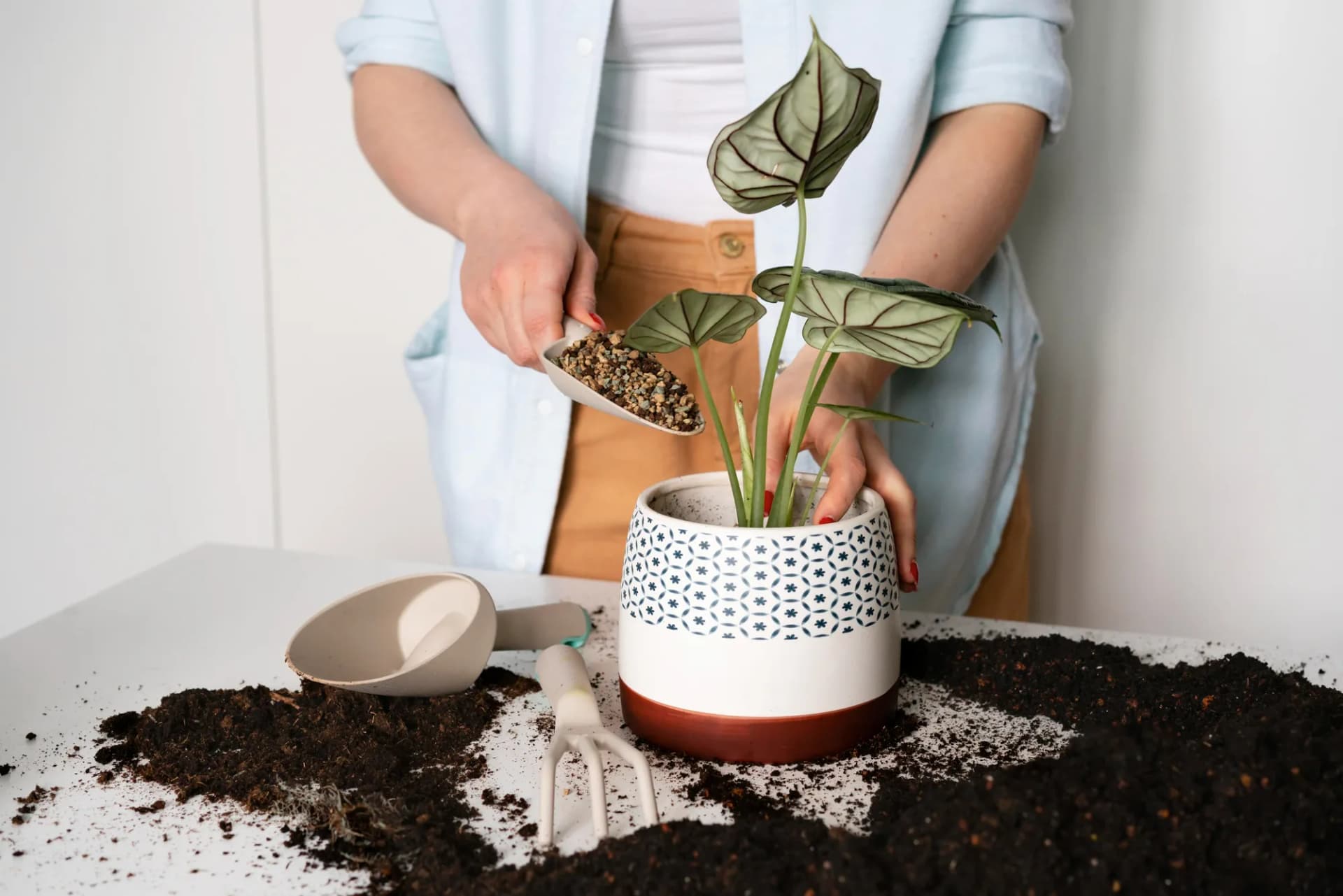
In spring, many plants need repotting—an essential part of care. To avoid stress, consider the plant’s type and size. This article offers a step-by-step guide for repotting indoors or outdoors and shows how to check plant health and get care tips using the Botan App.

7 min read · 22 Jul 2026
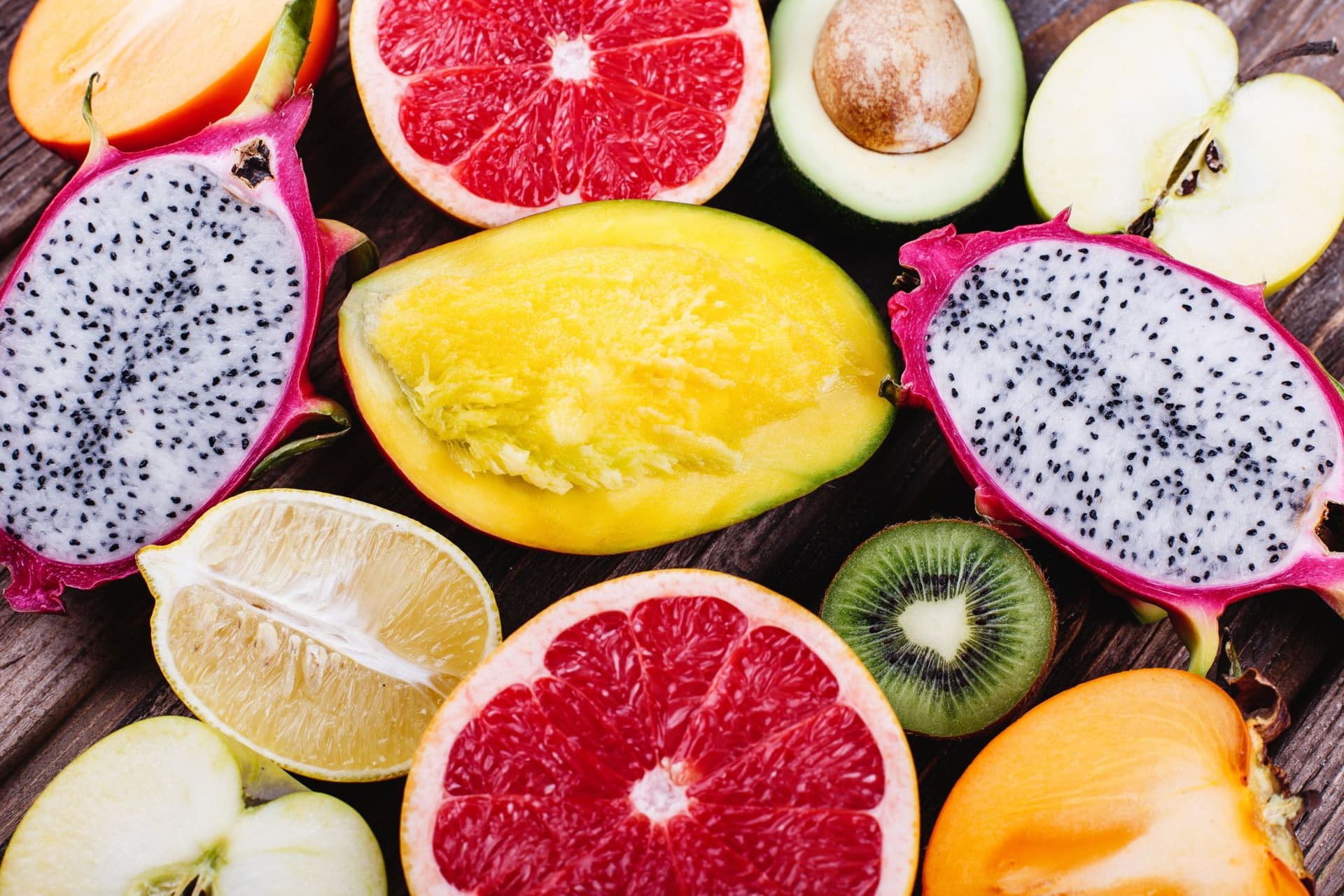
Curious which fruits the world actually eats the most? Here's the top-20 by production volume, an overview of what people choose in each region, and a few figures that defy common assumptions.