Inch Plant Care (Tradescantia fluminensis 'Variegata')

Also known as: Wandering Jew, Speedy Jenny

About Inch Plant

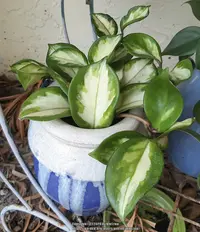
Inch plant, Tradescantia fluminensis 'Variegata', is a trailing evergreen houseplant grown for its striped green, white, and sometimes pink-tinged foliage. Stems cascade or creep, forming dense mats over time. Native to subtropical regions of South America, it adapts readily to indoor conditions and can grow quickly when kept in a stable environment. This fast growth makes it easy to shape in hanging baskets or as a small table plant. It is generally considered easy to grow if given bright, indirect light, evenly moist but not soggy soil, and moderate indoor temperatures, which helps clarify how to care for Inch Plant.

Main Plant Requirements

Care Difficulty

Easy Care

Light Preference

Bright Indirect Light

Water Requirements

Moderate Water

Temperature Preference

Tropical / Frost Sensitive

Hardiness Zone

9–12

Soil Texture

Loamy, Sandy, Organic-rich

Soil pH

Acidic (5.5–6.5), Slightly acidic (6.5–7.0)

Soil Drainage

Moist but well-drained

Fertilization

Light (every 4–6 weeks)

Get Personalized Care Plan

Scan your plant to receive care tips personalized for your specific plant

Available on iOS and Android

How to Care for the Inch Plant

This variegated Tradescantia prefers bright, indirect light to keep its leaves full and well colored.

  • Provide 4–6 hours of bright, filtered light daily; morning sun from an east window or lightly shaded outdoor spot works well for Inch Plant.
  • Protect from harsh midday and late-afternoon sun, which can scorch white leaf areas and cause crisp brown edges, especially through hot south- or west-facing exposures.
  • In low light the plant becomes leggy and green-dominant; move it closer to a bright window or brighter shade outdoors, especially in darker winter months.

This plant prefers lightly moist, fast-draining soil rather than constant wetness.

  • Water when the top 2–3 cm of soil feels dry, using enough water to moisten the root zone, then let excess drain away fully.
  • In spring and summer, expect to water more often as growth is faster; reduce frequency in fall and winter as evaporation and growth slow.
  • Signs of overwatering include yellowing, mushy stems and sour-smelling soil; dry, curled leaves and limp, shriveled stems suggest underwatering or very dry substrate.

This plant grows best in mild, frost-free conditions with stable temperatures.

  • Ideal growth occurs around 65–80°F (18–27°C); brief peaks to 85°F (29°C) are tolerated if soil does not stay waterlogged and air is moving.
  • Avoid temperatures below 55°F (13°C); cold drafts can cause leaf drop and pale, damaged growth even above the freezing point.
  • The plant is very frost-sensitive and tissue is damaged near 32°F (0°C); shift containers indoors or to sheltered spaces before nights approach 40°F (4°C).

This plant prefers moderately humid air but adapts to most homes.

  • Aim for 40–60% humidity for best foliage color and reduced leaf browning.
  • In very dry air, tips may crisp, edges may brown, and variegation can fade slightly.
  • Increase humidity with a nearby open-top water tray or grouping plants, rather than misting, to reduce fungal risk when caring for Inch Plant.

Use a light, airy mix that drains fast but stays lightly moist.

  • A peat- or coco-based potting mix with added perlite creates a loose, loamy structure that suits Tradescantia fluminensis 'Variegata'.
  • Aim for slightly acidic to neutral pH around 6.0–7.0, which supports nutrient uptake and stable growth.
  • Mix in 20–30% perlite or pumice to improve aeration and prevent the fine roots from staying waterlogged.
  • Avoid heavy garden soil, mixes that stay wet for days, or compacted substrates that limit oxygen around the root zone.

This species is very suitable for container growing due to its trailing habit.

  • Choose a low, wide container to support spreading stems and reduce the risk of the plant tipping over.
  • Use a pot material that matches your watering style, such as terracotta for faster drying or plastic for slower moisture loss.
  • Ensure excess water can drain away quickly and empty cache pots promptly to avoid roots sitting in collected water.

Tradescantia fluminensis 'Variegata' responds well to light, consistent feeding during active growth.

  • Use a balanced liquid fertilizer (such as 10-10-10 or 20-20-20) diluted to 1/4–1/2 strength for caring for Inch Plant.
  • Feed every 4–6 weeks in spring and summer, when growth is strongest.
  • Skip or reduce feeding to 1 light application for the whole period in fall and winter, especially in low light.
  • Avoid salt buildup by flushing the pot with plain water every 1–2 months if using synthetic fertilizers.

Pruning keeps Tradescantia fluminensis 'Variegata' compact, bushy, and healthy.

  • Best time for shaping is spring through early fall, when the plant is actively growing.
  • Use clean, sharp scissors or pruning snips to remove dead, damaged, or yellowing stems and leaves.
  • Pinch or cut back long, straggly vines just above a node to encourage branching and a fuller look.
  • Remove thin, crowded interior stems to improve light penetration and airflow through the foliage.

This plant tolerates being slightly root-bound but benefits from periodic repotting to refresh soil and support growth.

  • Plan to repot every 1–2 years in spring when roots circle the pot, emerge from drainage holes, or growth slows despite good care.
  • Choose a pot 2–3 cm wider with drainage holes and use a light, peat-free, well-draining mix.
  • Water the plant 1 day before repotting, then gently loosen the root ball and trim only tightly circling roots.
  • After repotting, water thoroughly once, then keep in bright, indirect light and avoid additional stress for 1–2 weeks.

Tradescantia fluminensis 'Variegata' is commonly propagated from stem cuttings for quick, reliable new plants.

  • Take 5–10 cm stem cuttings in spring or summer, including at least 2–3 nodes.
  • Remove lower leaves and place nodes in water or a moist, well-draining mix, keeping the top medium slightly damp, not soaked.
  • Provide bright, indirect light and warmth around 65–80°F to encourage rooting within 1–3 weeks.
  • Pot rooted cuttings into small containers, planting several together for a fuller appearance.

This tender plant is not frost hardy and needs protection in cold climates.

  • In regions below 30–35°F, grow in containers so plants can be moved indoors before the first frost.
  • Indoors, place in bright, indirect light and keep temperatures around 60–75°F.
  • Reduce watering in winter, allowing the top of the soil to dry slightly more between waterings to prevent root rot.

Care Tips

Refresh Leggy Stems

Every 12–18 months, cut older, woody runners back hard and re-root healthy tip cuttings in fresh mix to keep the plant dense, low, and brightly variegated.

Edge Containment Strategy

If grown in mixed containers, keep it in a hanging insert pot or plastic nursery pot nested inside the main planter so you can lift and trim invasive runners without disturbing companion plants.

Use Stem Pinning

Gently pin long stems onto the soil surface with clean hairpins or bent wire so nodes contact the mix and form new roots, which quickly thickens the mat of foliage.

Prevent Mite Hotspots

In warm, dry indoor air, inspect the undersides of leaves and inner tangle of stems every 1–2 weeks and promptly thin crowded, dusty growth to improve airflow and reduce spider mite outbreaks.

Color Maintenance Routine

Rotate the pot a quarter turn every 1–2 weeks and periodically remove fully green reverted shoots so the plant allocates energy to variegated growth, which is essential for consistent Tradescantia fluminensis 'Variegata' plant care.

Common Pests and Diseases

Spider mites

This pest commonly appears on dry indoor specimens, causing fine webbing, pale stippling, and dull, faded foliage. Symptoms include slowed growth and leaf drop on stressed vines.

Solution

Rinse stems and leaf undersides thoroughly with lukewarm water or a mild soapy solution, repeating weekly until mites are gone, and increase humidity to around 40–60% while avoiding leaf wetness overnight. For heavier infestations, use a neem oil or horticultural oil spray labeled for indoor use, making sure to cover leaf undersides and to isolate the plant from others during treatment.

Mealybugs

These insects hide in leaf nodes and along stems, appearing as white cottony clusters that stunt growth and cause yellowing or distortion of new leaves. This issue is frequent on dense hanging baskets where air circulation is low.

Solution

Dab visible insects with cotton swabs dipped in isopropyl alcohol and trim heavily infested shoots, then rinse the plant to remove residue. Follow up with 1–2 applications of an insecticidal soap or neem oil spray at 7–10 day intervals and keep the plant isolated until no new mealybugs appear.

Leaf spot

This disease causes irregular brown or tan spots with darker margins on older foliage, often starting after prolonged leaf wetness or crowding. Symptoms include premature leaf yellowing and drop, especially in the inner parts of dense vines.

Solution

Remove and discard affected leaves, thin congested growth to improve airflow, and avoid overhead watering or water sitting on leaves. If new spots continue to appear, apply a copper- or sulfur-based fungicide labeled for ornamental houseplants, and keep the foliage as dry as possible during recovery.

Botrytis blight

This disease develops in cool, humid, low-light conditions, producing soft, water-soaked patches on leaves or stems that may develop gray fuzzy mold. Symptoms include rapid collapse of succulent stems and rotting at points where vines rest on wet soil or pot rims.

Solution

Cut away and discard all infected tissue, then improve light, reduce humidity around the plant, and increase air movement by spacing plants apart. Allow the top of the potting mix to dry slightly between waterings, remove any fallen foliage from the soil surface, and use a fungicide labeled for Botrytis only if cultural changes do not stop spread.

Aphids

These insects cluster on tender shoot tips and the undersides of young leaves, sucking sap and causing curling, distortion, and sticky honeydew deposits. This problem is more common on plants grown outdoors or on balconies during warm seasons when new growth is soft and rapid.

Solution

Spray the plant with a strong but controlled stream of water to dislodge aphids, then treat remaining colonies with insecticidal soap, ensuring thorough coverage of new shoots and leaf undersides. Repeat treatment every 5–7 days until no new aphids appear and avoid high-nitrogen fertilization that encourages overly soft growth.

Interesting Facts

Naturally occurring variegation

The white and cream striping on the leaves comes from a natural chimeric mutation, where genetically different tissues grow side by side in the same plant. This variegation reduces chlorophyll in those zones, so the colored sections photosynthesize less than the green parts.

Shade-tolerant forest colonizer

In its introduced outdoor range, this variegated form can still form dense groundcover in moist, shaded sites, though usually less aggressively than fully green T. fluminensis. The trailing stems root easily at the nodes, allowing it to spread across the forest floor and climb over low vegetation.

Reversion to green form

This cultivar can revert to solid green shoots that are genetically closer to the wild-type species. Those green stems often grow faster and can overtake the variegated parts if not pruned back.

FAQs about Inch Plant

Leggy growth usually comes from low light, lack of pruning, or older stems stretching. Pinch or trim shoot tips regularly, rotate the pot, and replant healthy cuttings back into the container to thicken the plant.

Grow Healthy Plants with Botan Care

Keep your plants happy and healthy with plant identification, disease detection, and easy care guidance.

Botan plant care app — identify plants on mobile

Explore More Plants