
Inch Plant (Tradescantia fluminensis 'Variegata') Watering Guide

This guide explains when, how often, and how much to water Tradescantia fluminensis 'Variegata' for steady, healthy growth.

Water Requirements

Moderate Water

Tradescantia fluminensis 'Variegata' Watering

This trailing houseplant comes from naturally moist, frost-free habitats, so it prefers steady, light moisture rather than extremes. Indoors, Tradescantia fluminensis 'Variegata' grows best when the potting mix stays slightly damp but not saturated.

Aim for a rhythm where the soil gently dries on top between waterings, then is re-moistened. For outdoor baskets or containers, watering Inch Plant usually needs closer monitoring than indoor pots due to faster evaporation.

Water when the top 1–2 inches (3–5 cm) of soil feel dry, as Tradescantia fluminensis 'Variegata' dislikes staying soggy. This typically means watering about once a week in warm, bright indoor conditions. In lower light or cooler rooms, the interval usually stretches longer between waterings.

Water Inch Plant when the top 1–2 inches (3–5 cm) of soil feel dry, giving an even, moderate soak.

  • Pour room‑temperature water slowly over the soil surface, circling the pot so moisture spreads evenly through the root zone.
  • Continue adding water until it begins to drain from the bottom holes, indicating the mix is fully moistened throughout.
  • Let the pot drain completely for several minutes, then empty any saucer so roots do not sit in leftover water.
  • Keep water directed at the soil, avoiding prolonged wetting of leaves and stems to reduce moisture sitting on foliage.

Incorrect moisture balance can stress Tradescantia fluminensis 'Variegata' and trigger several avoidable growth problems indoors.

Yellowing Lower Leaves:

Older leaves turn uniformly yellow and drop as persistently soggy soil suffocates delicate feeder roots.

Wilting With Wet Soil:

Stems flop and feel mushy while potting mix stays wet, signaling progressive root decline from overwatering.

Crisp Brown Leaf Edges:

Leaf margins dry, curl, and brown when soil cycles between deep drought and sudden heavy soakings.

Soft, Blackening Stems:

Basal nodes darken and collapse where dense, poorly drained mix holds water around vulnerable stem joints.

Slow, Sparse Growth:

New shoots appear thin and widely spaced when inconsistent watering alternates stress between drought and saturation.

Keep the soil lightly moist with good drainage, avoiding both extended dryness and prolonged saturation cycles.

Unsuitable watering habits can stress Tradescantia fluminensis 'Variegata', weakening growth and color and making inch plant more vulnerable to other problems.

  • Watering by schedule: Following a rigid calendar encourages shallow or excessive watering; instead, water when the top soil feels slightly dry to the touch.
  • Poor potting mix: Using dense, moisture-heavy soil keeps roots soggy; choose a light, fast-draining mix with perlite or fine bark pieces.
  • No drainage or saucer water: Keeping the plant in a pot without drainage or leaving runoff in the saucer causes waterlogging; empty excess water promptly.

Safer watering means combining quick-draining soil, a pot with drainage, and moisture checks so the plant briefly dries between thorough waterings.

  • Spring: Growth usually increases, so check soil slightly more often and water when the top 1 inch feels dry, avoiding constant sogginess.
  • Summer: In bright, warm spots, water more frequently as soil dries faster, but pause if leaves look limp from heat and provide slight shade first.
  • Fall: As light and growth slow, extend the time between waterings and let the pot dry a bit deeper before watering again.
  • Winter: With slower growth indoors, reduce watering, allowing the top half of the pot to dry while preventing the root ball from becoming bone dry.

Your Inch Plant Care Companion

Use Botan for a tailored watering guide and simple care steps for Inch Plant. The app can also review photos to help identify early leaf, stem, or watering-related issues.

Botan plant care app — identify plants on mobile

FAQ

Yes. Standing water keeps roots constantly wet, limiting oxygen and encouraging root rot. After watering, empty the saucer within 10–15 minutes so excess moisture can drain away and the mix can partially dry.

More Plant Watering Guides

Is Your Watering Routine Hurting Your Inch Plant?

Use Botan to review your watering pattern and adjust timing with confidence.

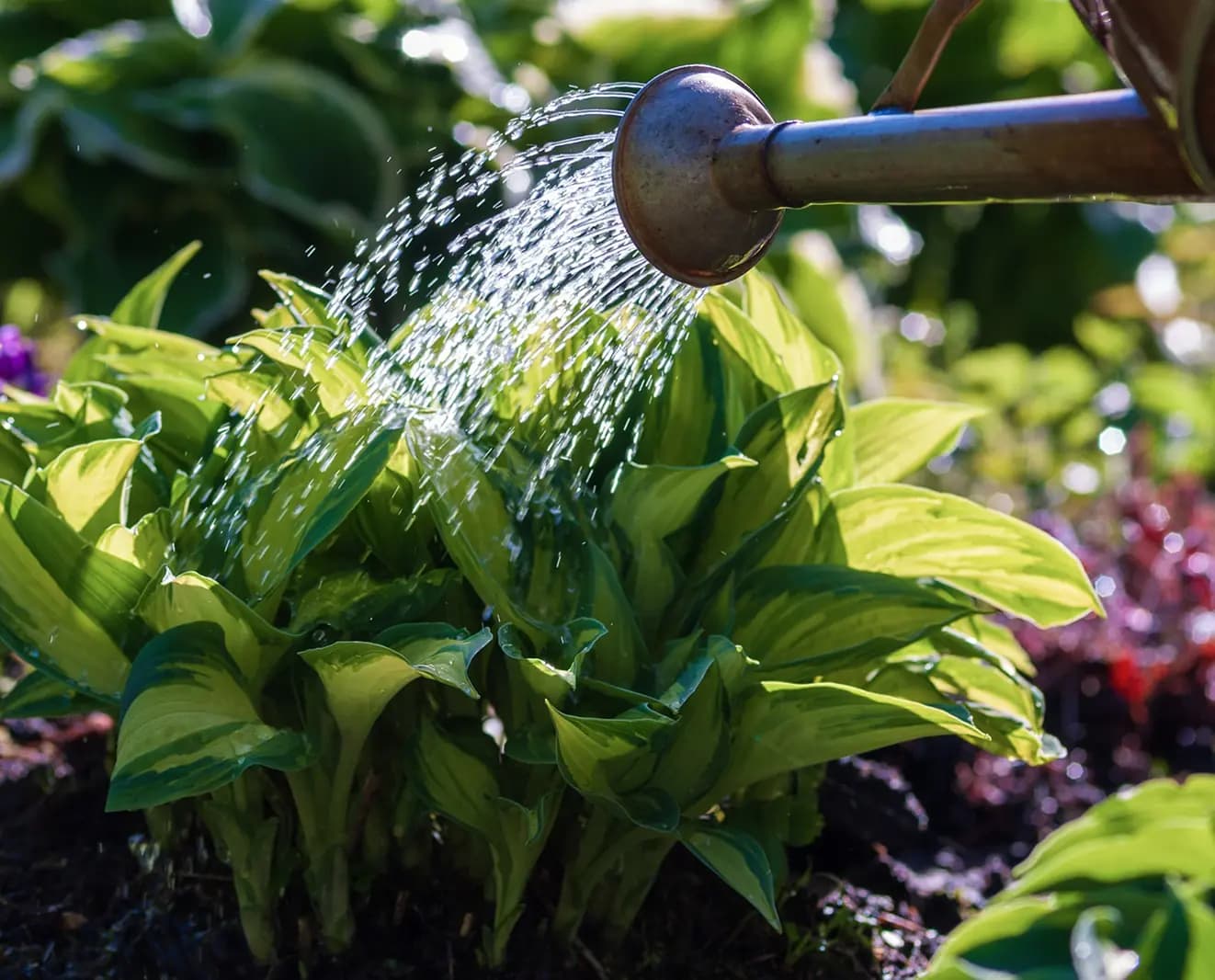
Watering a plant with a copper watering can
Best Fertilizer for Vegetable Gardens – What to Use for Each Plant

11 min read · 20 Jul 2026

Best Fertilizer for Vegetable Gardens – What to Use for Each Plant

Here, you’ll find the right fertilizer formula for vegetables in your garden. Learn how to adjust feeding correctly throughout the growing cycle, spot nutrient deficiencies by their symptoms, and keep your plants healthy and prolific.

Plant Recommendations
Best Fertilizer for Vegetable Gardens – What to Use for Each Plant
Rice Water for Plants – Which Plants Love It and How to Make It

8 min read · 14 Jul 2026

Rice Water for Plants – Which Plants Love It and How to Make It

Rice water can be an ideal DIY solution for orchids, roses, or fruiting plants. It supports growth, leaf count, and height. We’ll share how to make and apply it correctly for your plant.

Plant Care
Rice Water for Plants – Which Plants Love It and How to Make It
Best Fertilizer for Grass in Summer: How to Choose the Right One

6 min read · 18 Aug 2026

Best Fertilizer for Grass in Summer: How to Choose the Right One

The right fertilizer in summer can make a lawn thrive. The wrong one can damage it. Here, you’ll learn the best NPK ratios by grass type, when and how to apply your formula, and how to recognize the signs of over- or under-fertilizing.

Plant Care
Best Fertilizer for Grass in Summer: How to Choose the Right One