
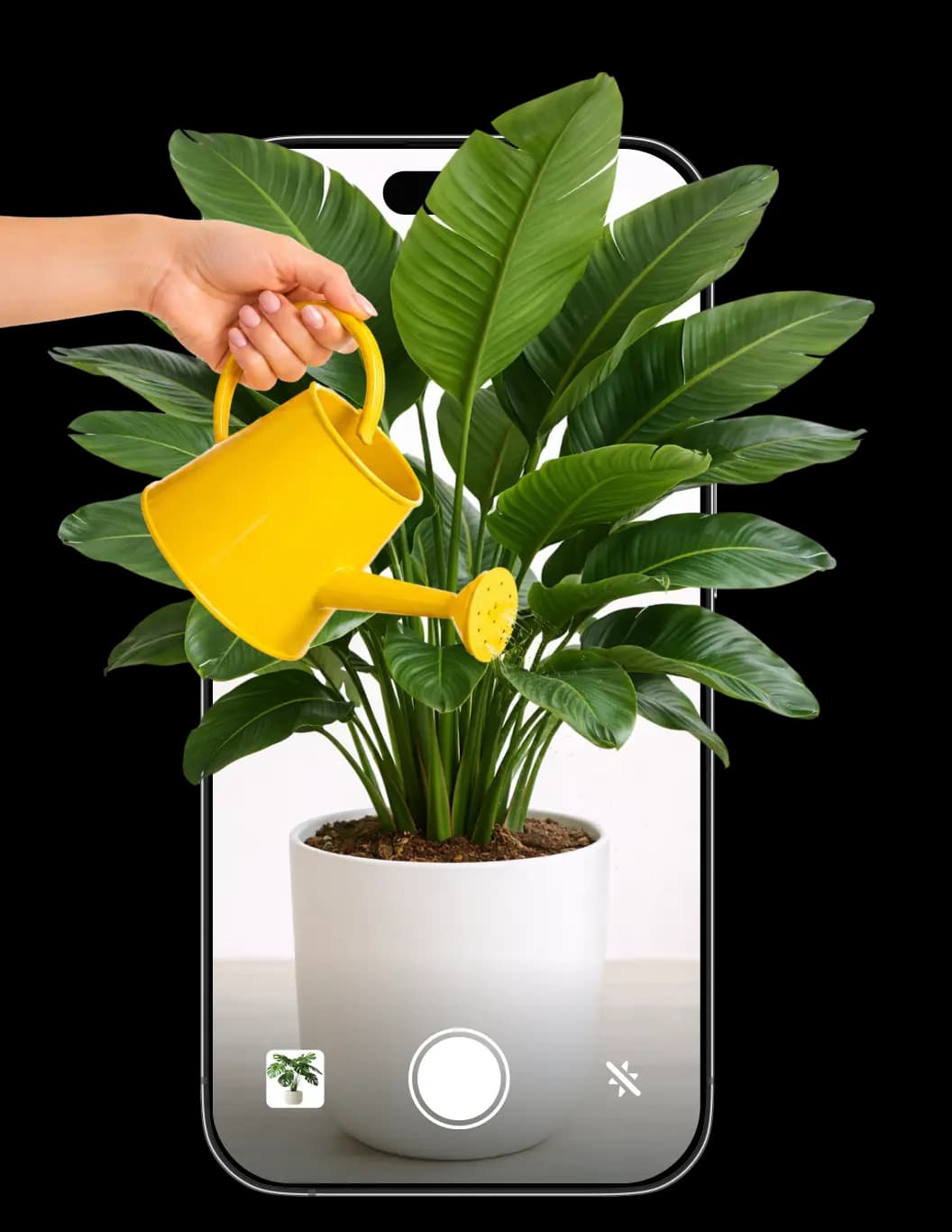
Giant White Bird of Paradise (Strelitzia nicolai) Watering Guide

This page outlines when, how often, and how much to water Strelitzia nicolai for consistent indoor care.

Water Requirements

Moderate Water

Strelitzia nicolai Watering

This large indoor foliage plant prefers a steady rhythm of light moisture rather than constant wetness. In its native subtropical habitat, Strelitzia nicolai experiences periods of rain followed by drier spells, so the soil benefits from partial drying between sessions.

When thinking about watering Giant White Bird of Paradise, aim for moderation and adjustment to your space. Indoors it typically needs a more controlled, conservative approach than robust outdoor landscape specimens in warm climates.

Let the top 1–2 inches (3–5 cm) of soil dry before watering again; the pot should feel noticeably lighter. This typically means watering about every 7–10 days in warm, bright indoor conditions, less often in winter or in lower light, when drying slows significantly.

Water Giant White Bird of Paradise when the top 2 inches (5 cm) of soil feel dry and slightly crumbly.

  • Pour room-temperature water slowly over the soil surface, circling the pot so the whole root zone is evenly moistened.
  • Continue watering until liquid runs from the drainage holes, ensuring deeper roots receive moisture without compacting the potting mix.
  • Empty saucers or decorative covers after a few minutes so the root ball does not sit in standing water.

Incorrect moisture levels can stress Strelitzia nicolai, weakening growth and increasing susceptibility to problems.

Yellowing Lower Leaves:

Older leaves gradually turn yellow from the base when roots sit in consistently soggy potting mix.

Brown Crispy Leaf Edges:

Leaf margins dry and crisp when soil stays too dry between waterings or humidity remains very low.

Soft Mushy Stems:

Base of the plant feels soft and discolored after prolonged waterlogging and suffocating, anaerobic roots.

Sour Smelling Soil:

Potting mix develops a sour odor when drainage is poor and decomposition outpaces aeration around roots.

Keep soil evenly moist but never saturated, allowing partial drying between thorough waterings in well-draining mix.

Unsuitable watering habits quickly stress Strelitzia nicolai, limiting growth and leaf size in this large, thirsty yet sensitive Giant White Bird of Paradise.

  • Watering by calendar: Following a rigid schedule instead of checking soil moisture often keeps it too wet or too dry; test the top layer before watering.
  • Heavy, compact soil: Using dense potting mixes without chunky amendments traps water around roots; switch to a fast-draining mix with coarse materials.
  • Poor container drainage: Planting in pots without adequate drainage holes or liners leaves water trapped at the bottom; choose containers that drain freely and empty sleeves.

Use responsive watering, airy soil, and freely draining containers so this species receives deep drinks without sitting in prolonged moisture.

  • Spring: New leaves increase water use; check soil more often and water when the top layer dries, especially in brighter indoor spots.
  • Summer: Heat and long days speed drying; for outdoor plants in strong sun, expect notably faster soil moisture loss than indoors.
  • Fall: Growth slows as light decreases, so extend the time between waterings while still preventing the root ball from fully drying out.
  • Winter: In cool, low-light rooms the plant drinks slowly; reduce watering frequency and keep soil just lightly moist, never saturated.

Track Watering. Catch Problems Early

Use Botan to set a clear watering guide and other care steps for your Giant White Bird of Paradise, plus gently spot issues early through simple photo-based checkups.

Botan plant care app — identify plants on mobile

Interesting Watering Facts

Tolerant Of Salty Spray

In its coastal South African habitat, Strelitzia nicolai often grows near the ocean and copes with windborne salt and periodic salt‑laden moisture, which partly explains its relatively high tolerance to tap water minerals compared with many tropical houseplants.


Moisture From Leaf Bases

The thick, overlapping leaf bases on its pseudostem can trap and slowly channel rain and dew toward the roots, helping the plant benefit from brief, irregular showers in its native climate.

Adapted To Seasonal Rains

In the wild it experiences winter‑spring rainfall followed by drier summers, so it is naturally adapted to periods of moderate soil moisture followed by relative dryness, rather than constant saturation.

FAQ

Leaves often droop when roots sit in poorly drained, soggy soil, limiting oxygen. Check for compacted mix, clogged drainage holes, or a cache pot holding extra water, then adjust watering frequency and soil structure.

More Plant Watering Guides

Is Your Watering Routine Hurting Your Giant White Bird of Paradise?

Botan reviews your watering pattern so you can adjust timing with confidence.

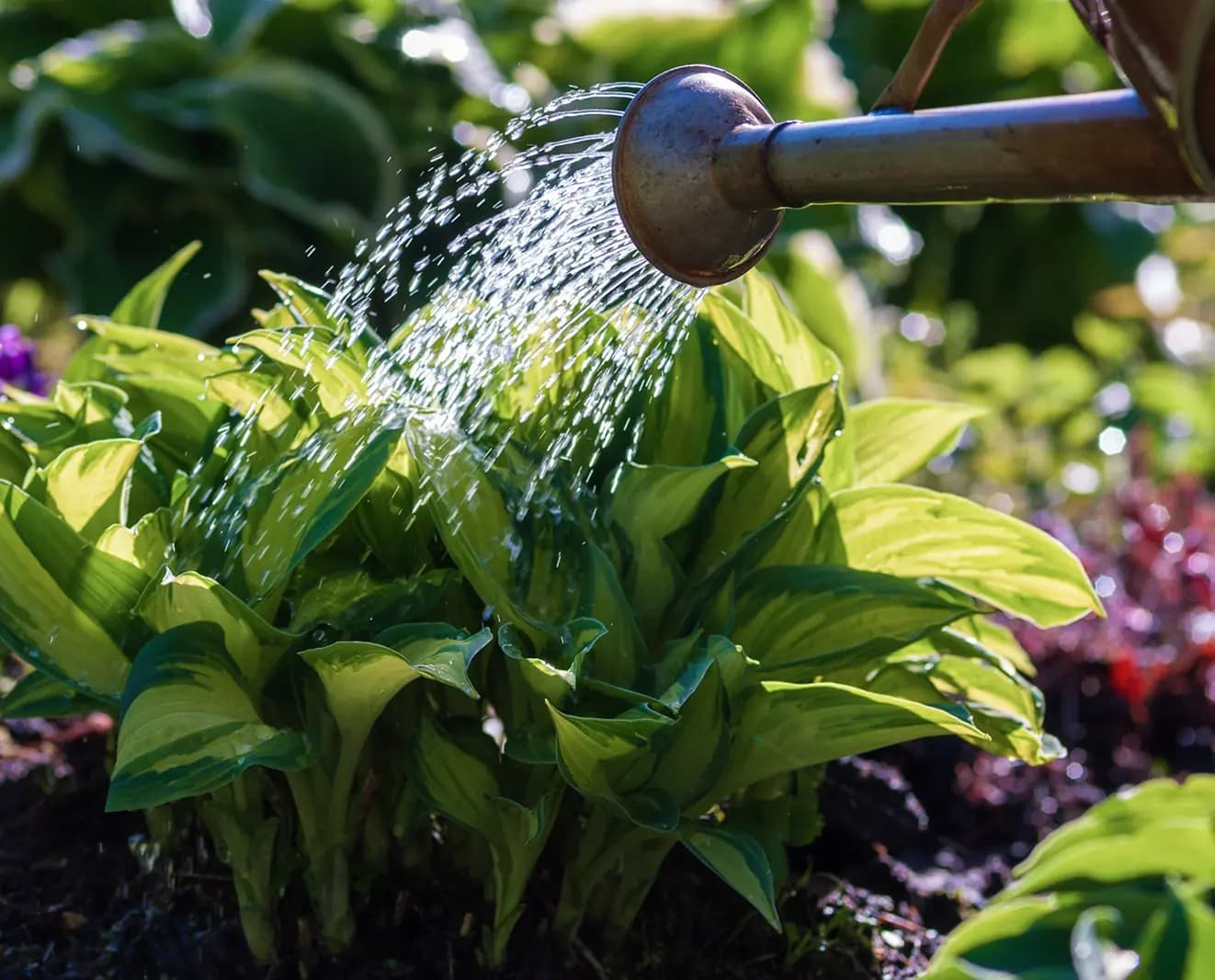
Watering a plant with a copper watering can
How Long Can Flowers Go Without Water? Everything You Need to Know

6 min read · 10 Jul 2026

How Long Can Flowers Go Without Water? Everything You Need to Know

Flowers can survive without water anywhere from 1-2 hours to several months, depending on the plant type, species, and growing conditions. Some strong-looking flowers are drought-sensitive, while delicate-looking plants may tolerate long dry periods surprisingly well.

Plant Care
How Long Can Flowers Go Without Water? Everything You Need to Know
How Often to Water Fruit Trees

7 min read · 11 Aug 2026

How Often to Water Fruit Trees

Irrigation needs change as roots establish and weather shifts. This guide gives practical starting intervals, explains how soil and tree type change them, and shows how to recognize both excess moisture and drought stress.

Plant Care
How Often to Water Fruit Trees
Rice Water for Plants – Which Plants Love It and How to Make It

8 min read · 14 Jul 2026

Rice Water for Plants – Which Plants Love It and How to Make It

Rice water can be an ideal DIY solution for orchids, roses, or fruiting plants. It supports growth, leaf count, and height. We’ll share how to make and apply it correctly for your plant.

Plant Care
Rice Water for Plants – Which Plants Love It and How to Make It