


Best Soil for Giant White Bird of Paradise (Strelitzia nicolai)

Strelitzia nicolai grows best in a loose, rich, well-drained mix that supports strong root growth without staying heavy around the roots.

Soil Texture

Sandy, Loamy, Organic-rich

Soil pH

Slightly acidic (6.5–7.0), Neutral (7.0)

Soil Drainage

Moist but well-drained

Strelitzia nicolai Soil Guide

Native to coastal forests and riverine areas of South Africa, Strelitzia nicolai grows in ground that stays lightly moist but does not remain soggy. That background explains its preference for sandy, loamy, organic-rich soil with steady airflow around the roots.

The best soil for Giant White Bird of Paradise holds some moisture for its large, active root system while still draining freely. A slightly acidic to mildly acidic soil suits nutrient uptake, and a loose texture helps roots spread without sitting in heavy, compacted ground.

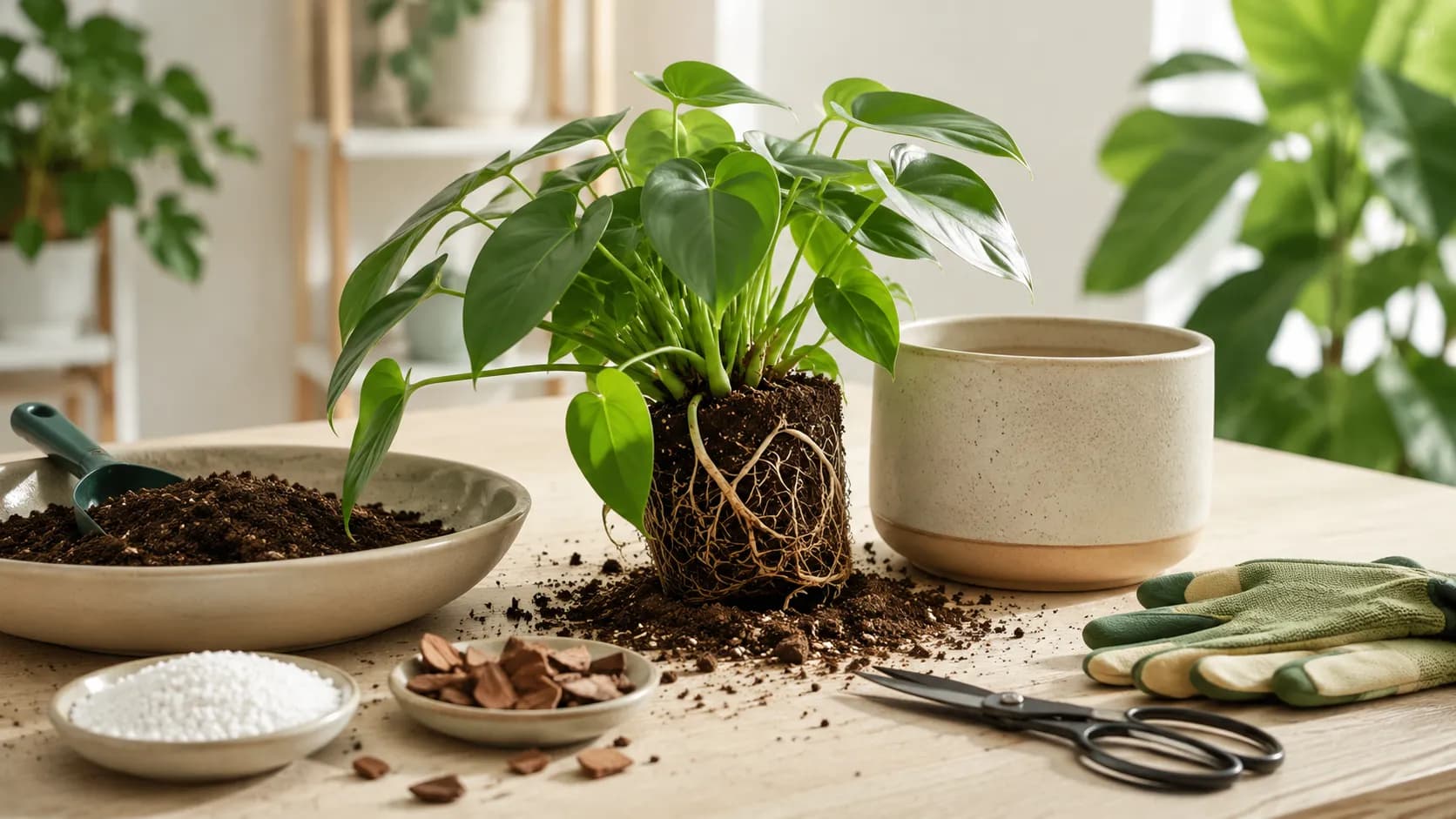
A homemade blend gives more control over texture and drainage than a basic bagged mix. For Strelitzia nicolai, aim for a mix that feels airy but still holds some moisture.

100% total mix = 20 scoops
15%
coco coir or compost3 scoops
20%
perlite or pumice4 scoops
25%
pine bark fines or orchid bark5 scoops
40%
high-quality potting soil8 scoops

The finished mix should feel springy, crumbly, and easy to fluff by hand, with water moving through evenly instead of pooling.

A slightly acidic to near-neutral range of about 5.5–7.0 suits Giant White Bird of Paradise well. Within that range, important nutrients stay more available to the roots without becoming unnecessarily restricted.

Strelitzia nicolai is fairly comfortable across a mildly acidic span, but extremes can make nutrient uptake less efficient over time. Keeping pH in the recommended range supports steadier growth and healthier root function.

This species can be sensitive to stale, compacted root conditions, especially in containers. Soil issues are worth checking when growth seems less steady than usual.

Compacted mix:

Compacted mix: If the surface hardens and water stops soaking in evenly, gently loosen the top layer and consider refreshing the growing medium soon.

Poor drainage:

Poor drainage: If the container stays heavy for a long time or the soil smells sour, check drainage holes and move the plant into a faster-draining mix if needed.

Hydrophobic soil:

Hydrophobic soil: If very dry soil shrinks from the pot edge and resists wetting, re-moisten it gradually so the root zone can absorb moisture again.

Salt buildup:

Salt buildup: A crust on the soil surface can point to mineral accumulation, so scrape off the top layer and replace it with fresh material.

Find the Right Soil

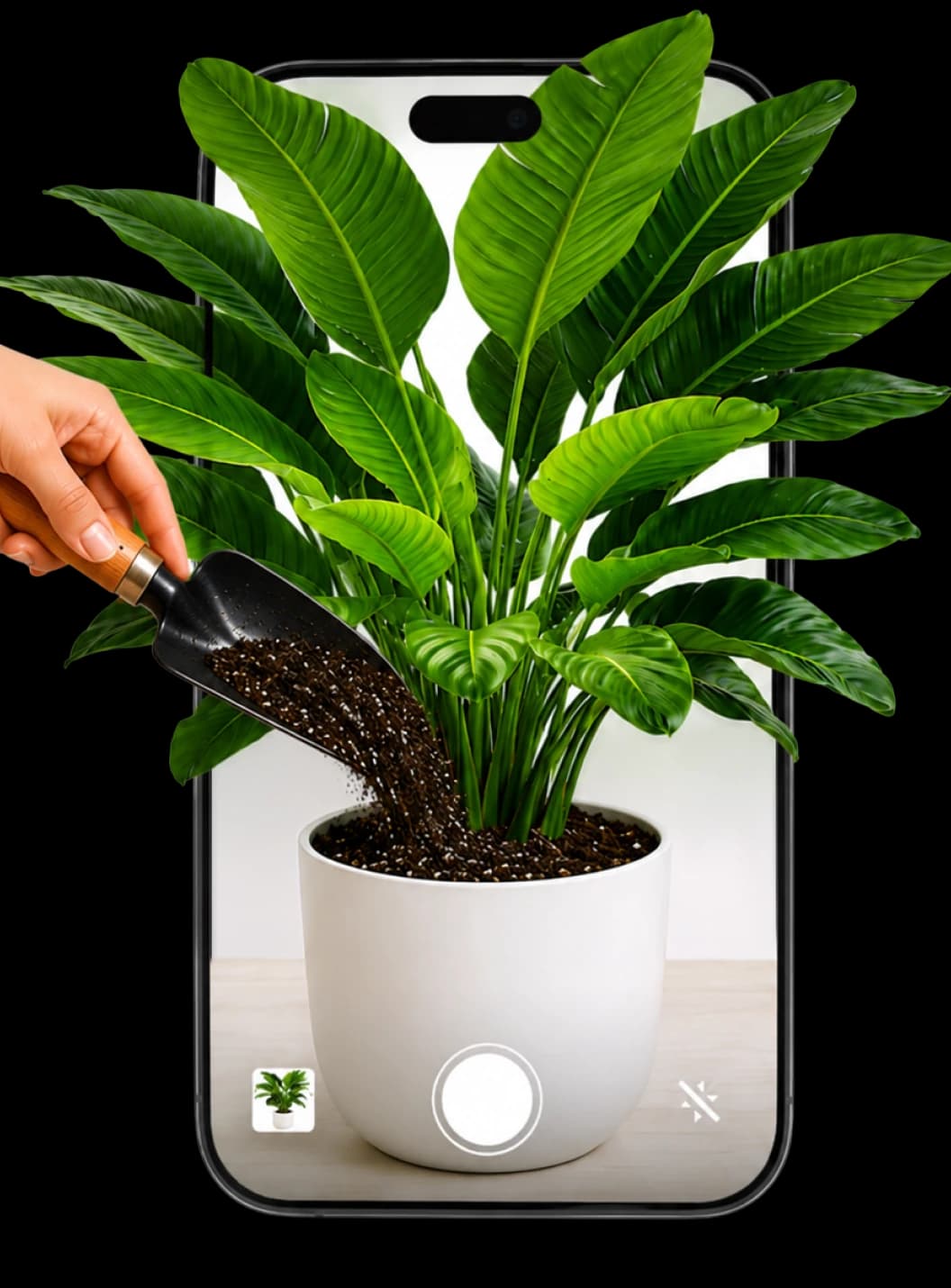
Botan helps match this plant to a soil setup that fits its size, root habits, and indoor growing conditions.

FAQ

Yes. Drainage holes help excess water leave the container, which lowers the risk of stagnant conditions around the roots and makes the potting mix easier to manage over time.

Everything About Giant White Bird of Paradise

More Plant Soil Guides

Is Your Soil the Problem?

If a plant looks off, soil may be one factor to check. Botan’s photo assessment can help spot patterns that suggest a closer look.

Botan app helping with soil and plant care
How to Increase Humidity for Plants – 8 Simple Ways That Work

8 min read · 14 Aug 2026

How to Increase Humidity for Plants – 8 Simple Ways That Work

Dry indoor air stresses a lot of houseplants. You usually notice it first in the browning leaf tips. This guide describes 8 simple ways to raise the moisture around your plants, from humidifiers to pebble trays.

Plant Care
How to Increase Humidity for Plants – 8 Simple Ways That Work
How Long Can Flowers Go Without Water? Everything You Need to Know

6 min read · 10 Jul 2026

How Long Can Flowers Go Without Water? Everything You Need to Know

Flowers can survive without water anywhere from 1-2 hours to several months, depending on the plant type, species, and growing conditions. Some strong-looking flowers are drought-sensitive, while delicate-looking plants may tolerate long dry periods surprisingly well.

Plant Care
How Long Can Flowers Go Without Water? Everything You Need to Know
Rice Water for Plants – Which Plants Love It and How to Make It

8 min read · 14 Jul 2026

Rice Water for Plants – Which Plants Love It and How to Make It

Rice water can be an ideal DIY solution for orchids, roses, or fruiting plants. It supports growth, leaf count, and height. We’ll share how to make and apply it correctly for your plant.

Plant Care
Rice Water for Plants – Which Plants Love It and How to Make It