

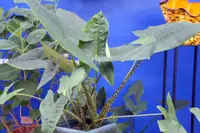
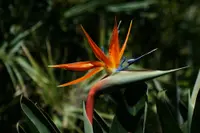
Giant White Bird of Paradise (Strelitzia nicolai) Light Needs

Giant White Bird of Paradise grows best in bright indirect light with several hours of gentle direct sun.

Light Preference

Full Sun

Strelitzia nicolai Light Requirements

In its native eastern South African coastal habitat, Strelitzia nicolai grows where strong light is common, often at forest margins, riverbanks, and open edges rather than deep shade. Young plants may start with some shelter, while mature clumps can receive long periods of sun. This background explains its indoor preference for a very bright position. Preferred light is bright indirect light with some direct sun.

  • Ideal exposure:

    Strelitzia nicolai needs about 6–8 hours of bright indirect or filtered light daily, including 2–4 hours of gentle direct sun.

  • Direct tolerance:

    Outdoors, acclimated plants can tolerate full sun; indoors, limit strong direct sun to about 4–6 hours and avoid hot glass.

  • Lower light:

    Dim rooms are not suitable; growth slows and new leaves may stay smaller when light is weak.

  • Best timing:

    Morning sun or late-day sun is safer than intense midday sun, especially indoors during summer.

Indoors, placement should give strong light without trapping the leaves against hot glass.

NPoor
North-facing window:

A north window is usually too dim unless it is very large and unobstructed, so growth may weaken.

EBest
East-facing window:

An east window is often ideal because it gives bright morning sun and strong indirect light for much of the day.

SSuitable
South-facing window:

A south window works well when the plant sits 2–5 ft back or direct midday sun is softened by a sheer curtain.

WConditional
West-facing window:

A west window can work if afternoon rays are filtered or the plant is kept a few feet from hot glass.

Choose the brightest safe location available and watch new leaves for changes after moving it.

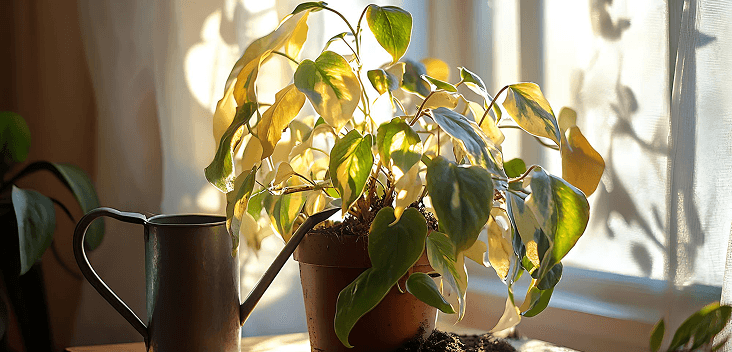
Strong sun can stress leaves, especially after a sudden move.

Bleached patches:

Pale tan or whitish areas may appear on the side facing the window after harsh direct sun.

Dry scorched spots:

Brown, papery marks can form where afternoon rays hit the broad leaves through glass.

Heat curling:

Leaves may curl or fold during the brightest hours when light and heat build together.

Uneven damage:

Sun stress often shows on exposed upper leaves while shaded leaves look normal.

Move the plant back 2–4 ft from the glass or filter the sun with a sheer curtain. Increase direct sun again only gradually.

Weak light usually shows in the newest growth first.

  • Leaning growth:

    Stems and leaf stalks may angle strongly toward the window as the plant searches for brighter light.

  • Long spacing:

    New leaves may sit farther apart, giving the plant a stretched, open shape.

  • Small new leaves:

    Fresh leaves can emerge smaller than older leaves when the plant cannot make enough energy.

  • Slow active growth:

    Little or no new growth in spring or summer can point to weak light if other care is steady.

  • Reduced flowering:

    Mature outdoor or conservatory plants are less likely to bloom when light stays too dim.

Move it to a brighter exposure over 1–2 weeks, aiming for bright indirect light plus gentle sun.

If ideal exposure is not available, choose the brightest area that gives several hours of indirect light and at least brief gentle sun. Keep the leaves out of hot, unfiltered afternoon rays.

Rotate the pot a quarter turn every 1–2 weeks so the large leaves do not lean toward one side. Move changes gradually over several days when increasing sun.

A dim corner is not suitable because this species loses compact, strong growth without sustained brightness.

Get Personalized Care Plan

Scan your plant to receive care tips personalized for your specific plant

FAQ

Giant White Bird of Paradise light requirements are brightest indoors: 6–8 hours of bright indirect or filtered light, with a few hours of gentle direct sun when acclimated.

Everything About Giant White Bird of Paradise

More Plant Light Guides

Get the Botan App

Discover how to care for your plants with Botan.

Botan app identifying a plant with a phone camera
Plants That Repel Mosquitoes – 10 Effective Choices

8 min read · 6 Jul 2026

Plants That Repel Mosquitoes – 10 Effective Choices

Plants that repel mosquitoes can help mask human scent naturally and make outdoor spaces more comfortable. Explore the most effective options, their benefits and drawbacks, and choose the right plant for your space.

Plant Recommendations
Plants That Repel Mosquitoes – 10 Effective Choices
How to Increase Humidity for Plants – 8 Simple Ways That Work

8 min read · 14 Aug 2026

How to Increase Humidity for Plants – 8 Simple Ways That Work

Dry indoor air stresses a lot of houseplants. You usually notice it first in the browning leaf tips. This guide describes 8 simple ways to raise the moisture around your plants, from humidifiers to pebble trays.

Plant Care
How to Increase Humidity for Plants – 8 Simple Ways That Work
How Often to Water Fruit Trees

7 min read · 11 Aug 2026

How Often to Water Fruit Trees

Irrigation needs change as roots establish and weather shifts. This guide gives practical starting intervals, explains how soil and tree type change them, and shows how to recognize both excess moisture and drought stress.

Plant Care
How Often to Water Fruit Trees