

Banana Bush (Tabernaemontana pandacaqui) Light Needs

Banana Bush grows best in partial sun with several hours of bright light and some direct morning sun.

Light Preference

Partial Sun

Tabernaemontana pandacaqui Light Requirements

In habitat, Tabernaemontana pandacaqui grows as a tropical shrub in warm, humid places such as forest edges, thickets, and open woodland, where light is stronger than deep forest shade, especially along exposed margins and clearings. It can receive direct sun part of the day, with filtered light when nearby vegetation is dense. Cultivated plants reflect that pattern. It prefers partial sun to full sun.

  • Ideal exposure:

    Tabernaemontana pandacaqui needs about 6–8 hours of bright light daily, ideally partial sun with 3–5 hours of direct sun.

  • Full sun tolerance:

    Established outdoor plants can tolerate full sun, especially with gradual exposure and some relief from intense late-day heat.

  • Low-light limits:

    Lower light may keep foliage alive for a time, but shade usually reduces flowering and creates weaker, stretched growth.

  • Afternoon sun:

    Morning sun is gentler; hot afternoon sun is riskier after cloudy weather, indoor conditions, or a recent move.

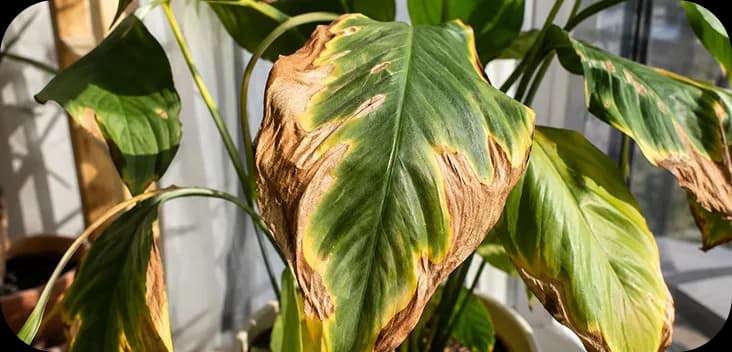
Strong sun usually causes localized damage.

Bleached patches:

Leaves may develop pale, tan, or whitish areas on the side facing the strongest sun, especially after a sudden move.

Crisp exposed spots:

Damaged areas can turn dry and papery while shaded parts of the same leaf stay greener.

Temporary wilting:

Leaves may droop during hot afternoon exposure even when the plant looked normal earlier in the day.

Faded new growth:

Tender shoots and buds may look washed out when light increases faster than they can adjust.

Move the plant back from harsh afternoon sun or give it filtered light for several days. Reintroduce stronger sun gradually, especially if it was grown in softer light first.

Weak light shows through growth habit first. Flowering often declines before foliage fails.

  • Stretched stems:

    New shoots may become longer and thinner, with wider gaps between leaf pairs.

  • Leaning growth:

    Stems may angle strongly toward the brightest side instead of staying evenly branched.

  • Few flowers:

    Bud formation can slow or stop when the plant receives bright shade instead of partial sun.

  • Small new leaves:

    Fresh leaves may emerge smaller and paler because the plant is making less energy.

  • Slow seasonal growth:

    During warm months, limited new growth can point to inadequate light if temperature is otherwise suitable.

Move it to brighter exposure with morning sun, then watch new growth over the next few weeks. Avoid deep shade for long-term placement.

If ideal exposure is limited, choose the brightest area that gives several hours of morning sun and open sky light. Prioritize partial sun over deep shade, even if full-day sun is not available.

Filter harsh afternoon rays with light shade cloth or nearby structure until the plant adjusts. Rotate container-grown plants every 1–2 weeks so all sides receive even light.

A dark patio corner is unsuitable because it reduces flowering and encourages thin, leaning growth.

Get Personalized Care Plan

Scan your plant to receive care tips personalized for your specific plant

FAQ

Banana Bush light requirements are partial sun to full sun, with the best results in bright exposure that includes several hours of direct sun and protection from abrupt, harsh changes.

More Plant Light Guides

Get the Botan App

Discover how to care for your plants with Botan.

Botan app identifying a plant with a phone camera
What Plants Don't Like Epsom Salt?

11 min read · 29 Jul 2026

What Plants Don't Like Epsom Salt?

Learn which plants can be seriously damaged by Epsom salt and which will thrive on it. We’ll explain when and how to use it properly, provide tips for indoor & outdoor plants — read on and enjoy a healthy garden.

Plant Care
What Plants Don't Like Epsom Salt?
How to Bottom Water Plants: Complete Guide

6 min read · 13 Jul 2026

How to Bottom Water Plants: Complete Guide

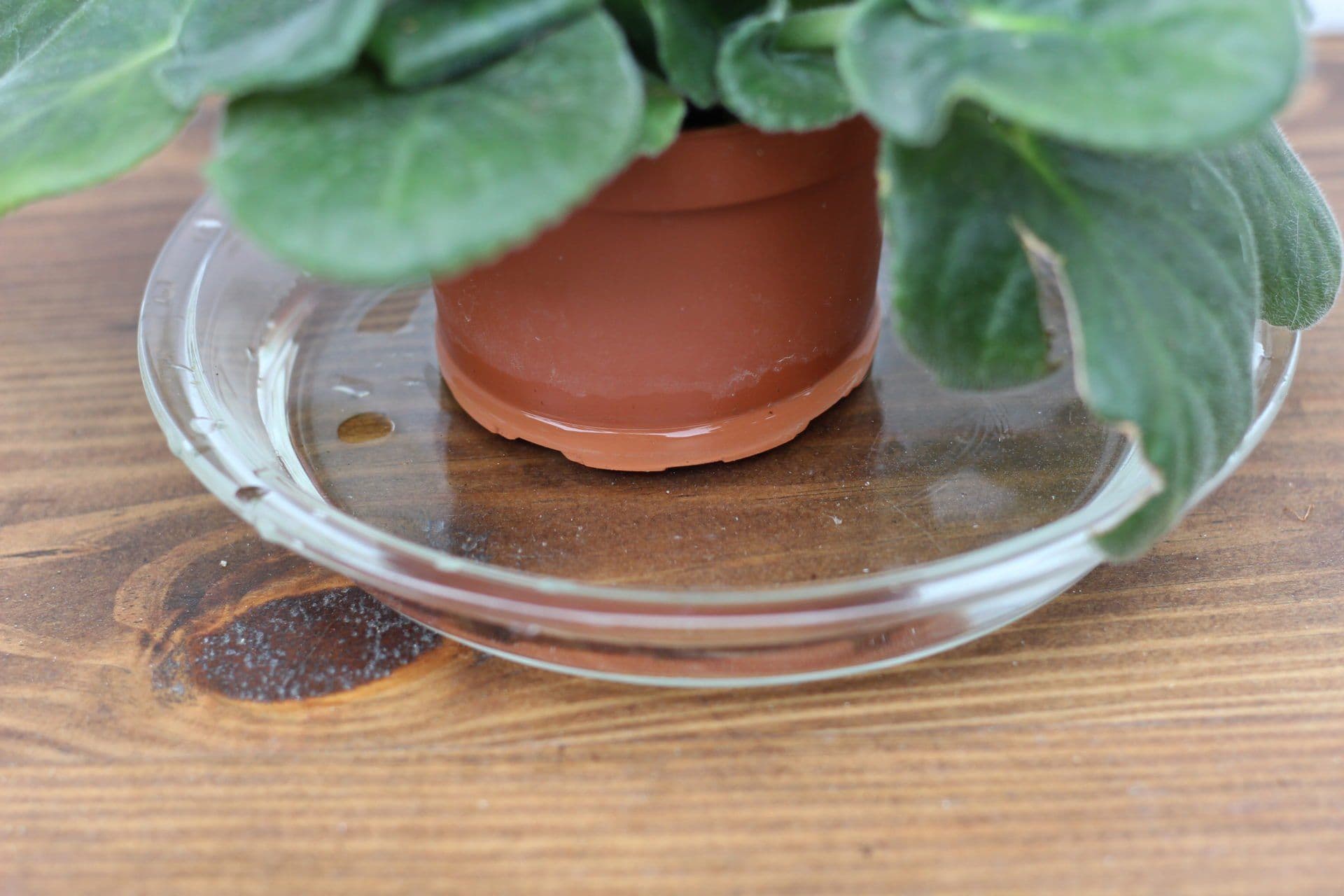
Bottom watering helps soil absorb moisture evenly and keeps foliage dry, reducing the risk of missed dry spots or root problems. Place the pot in a tray of water for a short time, then let it drain well.

Plant Care
How to Bottom Water Plants: Complete Guide
How to Mist Plants – Proper Technique and Common Mistakes

7 min read · 30 Jul 2026

How to Mist Plants – Proper Technique and Common Mistakes

Find out when misting works well and when to avoid it. Here, you’ll find detailed information about compatible and incompatible species, tips on how often to mist plants and do it correctly, and some great alternatives for raising humidity.

Beginner Guides
How to Mist Plants – Proper Technique and Common Mistakes