






ashok (Saraca indica) Light Needs

ashok grows best in bright filtered light or partial shade, with only gentle direct sun.

Light Preference

Partial Shade

Saraca indica Light Requirements

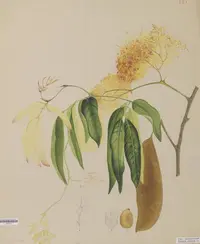
In warm, humid tropical landscapes, Saraca indica grows as an evergreen tree where young plants often develop beneath broken canopy light or along sheltered forest edges. Mature specimens can receive brighter seasonal sun, but the foliage is not adapted to long, harsh, exposed conditions. This pattern explains why cultivated plants handle shade and part sun better than open full sun. Preferred light is bright filtered light or partial shade.

  • Ideal exposure:

    ashok needs about 6–8 hours of bright filtered light or partial shade daily, including up to 2–3 hours of gentle direct morning sun.

  • Direct sun:

    Short morning sun is usually tolerated, but strong midday or afternoon sun can scorch tender new leaves.

  • Shade tolerance:

    It can grow in light shade, though flowering and compact growth may be weaker when light stays dim.

  • Best timing:

    Morning light is safer than hot western exposure, especially in dry heat or after moving from shade.

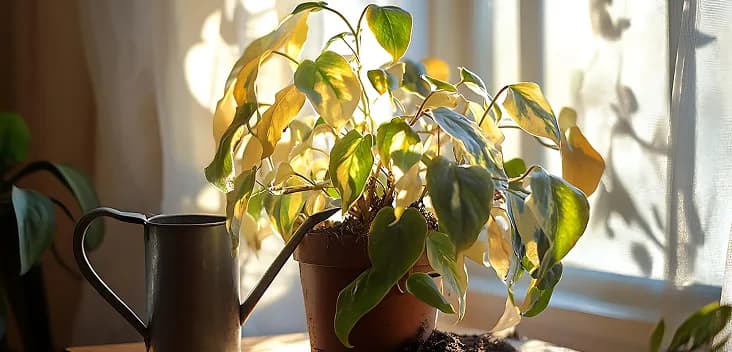
Excess light usually appears after sudden exposure or hot afternoon sun.

Bleached patches:

Sun-facing leaflets may develop pale tan or whitish areas where tissue has been scorched.

Crisp tips:

Tender new growth can dry at the tips when strong sun combines with heat and low humidity.

Leaflet curling:

Leaves may fold or curl during the brightest hours as the plant reduces exposed surface area.

Stalled flushes:

New leaf flushes may harden small or look stressed if Saraca indica is moved too quickly into brighter sun.

Move it back to bright filtered light or partial shade. Add shade during the hottest part of the day and reintroduce direct morning sun gradually.

Low light is tolerated, but dense shade reduces vigor over time.

  • Long, open growth:

    New stems may stretch toward the brightest side, with wider spacing between leaves.

  • Leaning canopy:

    One-sided growth can develop when the light source is weak or comes from only one direction.

  • Fewer blooms:

    Flowering may be reduced when Saraca indica receives shade all day, even if foliage remains green.

  • Small new leaves:

    Fresh growth may emerge smaller and thinner during the active season.

Shift it to brighter filtered light rather than sudden full sun. Choose a spot with longer daylight and a few hours of gentle morning sun if available.

If ideal filtered light is not available, choose partial shade with morning sun rather than exposed afternoon sun. Use a porch roof, lath screen, or shade cloth to soften harsh light.

Rotate container-grown specimens every few weeks so the canopy develops evenly. Shift the pot gradually when moving from shade into brighter exposure.

Avoid open, all-day sun because the leaves can scorch before the plant adjusts.

Get Personalized Care Plan

Scan your plant to receive care tips personalized for your specific plant

FAQ

The best light for ashok is bright filtered light or partial shade. It should receive long, bright daylight with only gentle direct sun, especially in the morning.

More Plant Light Guides

Get the Botan App

Discover how to care for your plants with Botan.

Botan app identifying a plant with a phone camera
When to Harvest Tomatillos: How to Tell When They're Ripe

4 min read · 20 Oct 2026

When to Harvest Tomatillos: How to Tell When They're Ripe

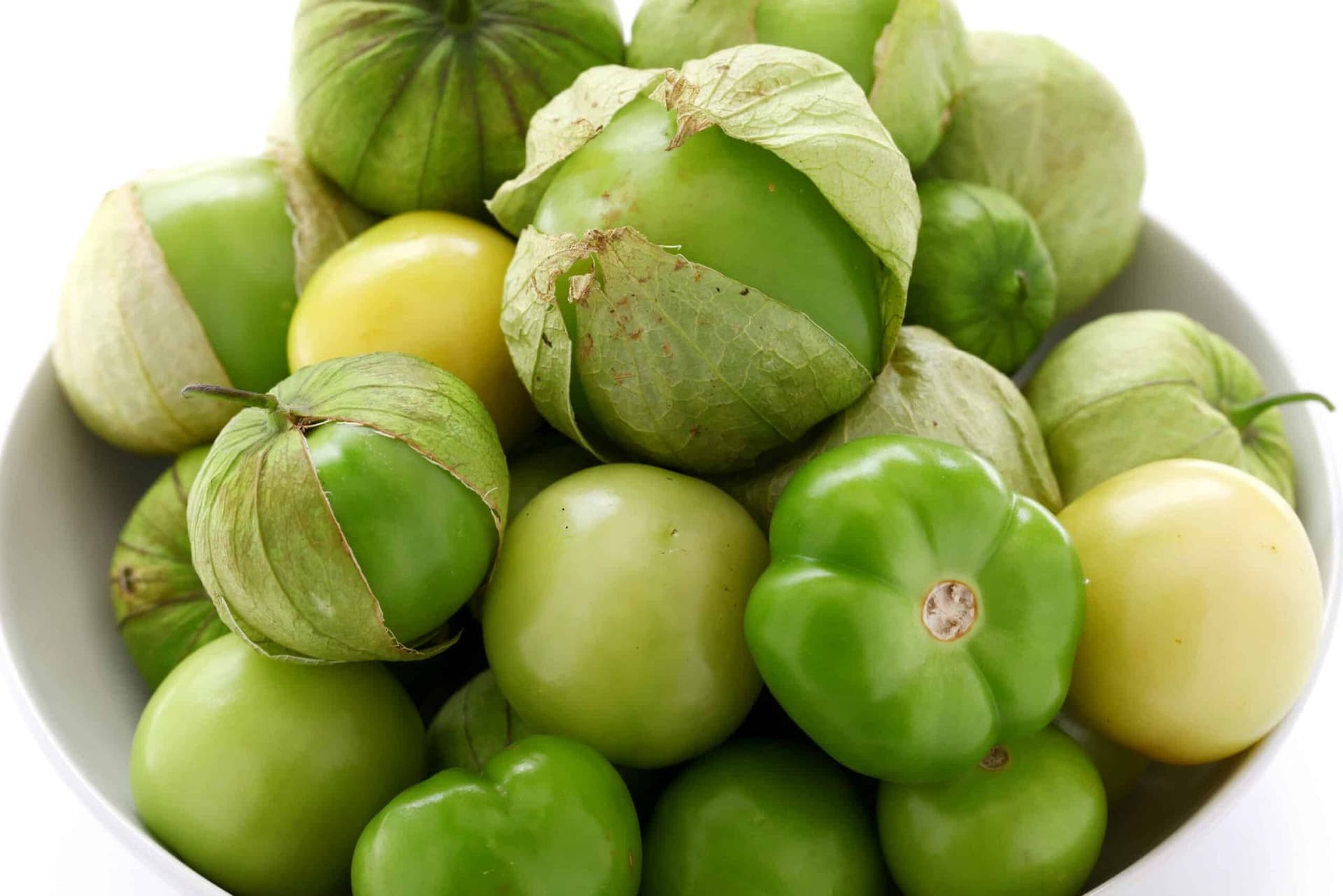
Tomatillos grow inside papery husks, making it hard to judge ripeness at a glance. This guide explains how to know when tomatillos are ripe and offers practical advice on harvesting and storage.

Plant Recommendations
When to Harvest Tomatillos: How to Tell When They're Ripe
Planting Grass Seed in Summer – What Works and What Fails

7 min read · 6 Aug 2026

Planting Grass Seed in Summer – What Works and What Fails

Summer seeding succeeds when the grass type suits the season, and the soil stays moist. Find out how to prepare the seedbed and choose a safe window for planting.

Plant Care
Planting Grass Seed in Summer – What Works and What Fails
15 Best Scary Halloween Plants and Fungi for a Spooky Garden

8 min read · 9 Oct 2026

15 Best Scary Halloween Plants and Fungi for a Spooky Garden

Want a garden that looks eerie in October? Here are 15 Halloween plants and fungi, from carnivorous traps to bleeding mushrooms. For each species, we cover its appearance, care requirements, and potential uses in your landscape.

Plant Recommendations
15 Best Scary Halloween Plants and Fungi for a Spooky Garden