

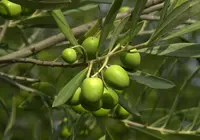
Fig tree (Ficus carica) Light Needs

Fig tree grows best in full sun, with long daily exposure and strong direct light.

Light Preference

Full Sun

Ficus carica Light Requirements

Ficus carica is native to dry, warm parts of western Asia and the Mediterranean region, where it grows in open sites, rocky slopes, field edges, and disturbed ground. These habitats provide long seasonal daylight and strong direct sun, especially during the active growing season. Cultivated plants follow the same pattern, forming stronger growth and better fruiting in full sun. Preferred light is full sun.

  • Ideal exposure:

    Fig tree needs about 6–8 hours of full sun daily, with at least 6 hours of direct sun for strong growth and fruiting.

  • Direct sun:

    Established plants tolerate full-day sun well when introduced gradually and grown with adequate root space.

  • Partial sun:

    A half-day of direct sun is tolerated, but growth may be thinner and fruiting may decline.

  • Risky shade:

    Bright shade or only indirect light is usually too weak for reliable outdoor growth.

Excess light usually appears after sudden exposure to harsher sun.

Bleached patches:

New tan or pale areas may form on leaves that were moved quickly into strong afternoon sun.

Crisp exposed edges:

Leaf edges on the sun-facing side may dry and look scorched after hot, reflective exposure.

Curled midday leaves:

Leaves may cup or droop during intense heat, especially on young or newly exposed shoots.

Sunken fruit spots:

Fruit exposed suddenly to harsh sun may develop pale, leathery patches on the outer skin.

Move container-grown plants into morning sun with light afternoon protection, or add temporary shade cloth outdoors. Increase direct exposure again in small steps.

Low light limits growth and fruiting. The signs are usually gradual during the active season.

  • Long bare spacing:

    New shoots may stretch with wider gaps between leaves as the plant reaches for stronger light.

  • Leaning growth:

    Stems may angle toward the brightest side instead of growing evenly.

  • Small new leaves:

    New leaves may emerge smaller and thinner than older leaves during spring or summer growth.

  • Poor fruit set:

    The species may form fewer fruits, or fruits may ripen slowly, when sun exposure is too weak.

Shift it to the brightest available full-sun site, making the change gradually if the new spot is much brighter.

Choose the brightest available outdoor site and prioritize 6 hours of direct sun over all-day bright shade. If full-day sun is not possible, select morning and early afternoon exposure instead of late-day shade.

For a container plant, turn the pot every 1–2 weeks during active growth so all sides receive direct light.

Avoid deep shade beside fences or buildings because it usually produces weak growth and poor fruiting.

Get Personalized Care Plan

Scan your plant to receive care tips personalized for your specific plant

FAQ

The best light for Fig tree is full sun, with long daily exposure and strong direct rays during the growing season. This supports sturdy growth and better fruiting.

More Plant Light Guides

Get the Botan App

Discover how to care for your plants with Botan.

Botan app identifying a plant with a phone camera
Best Water for Plants – How to Choose the Right Type

7 min read · 13 Aug 2026

Best Water for Plants – How to Choose the Right Type

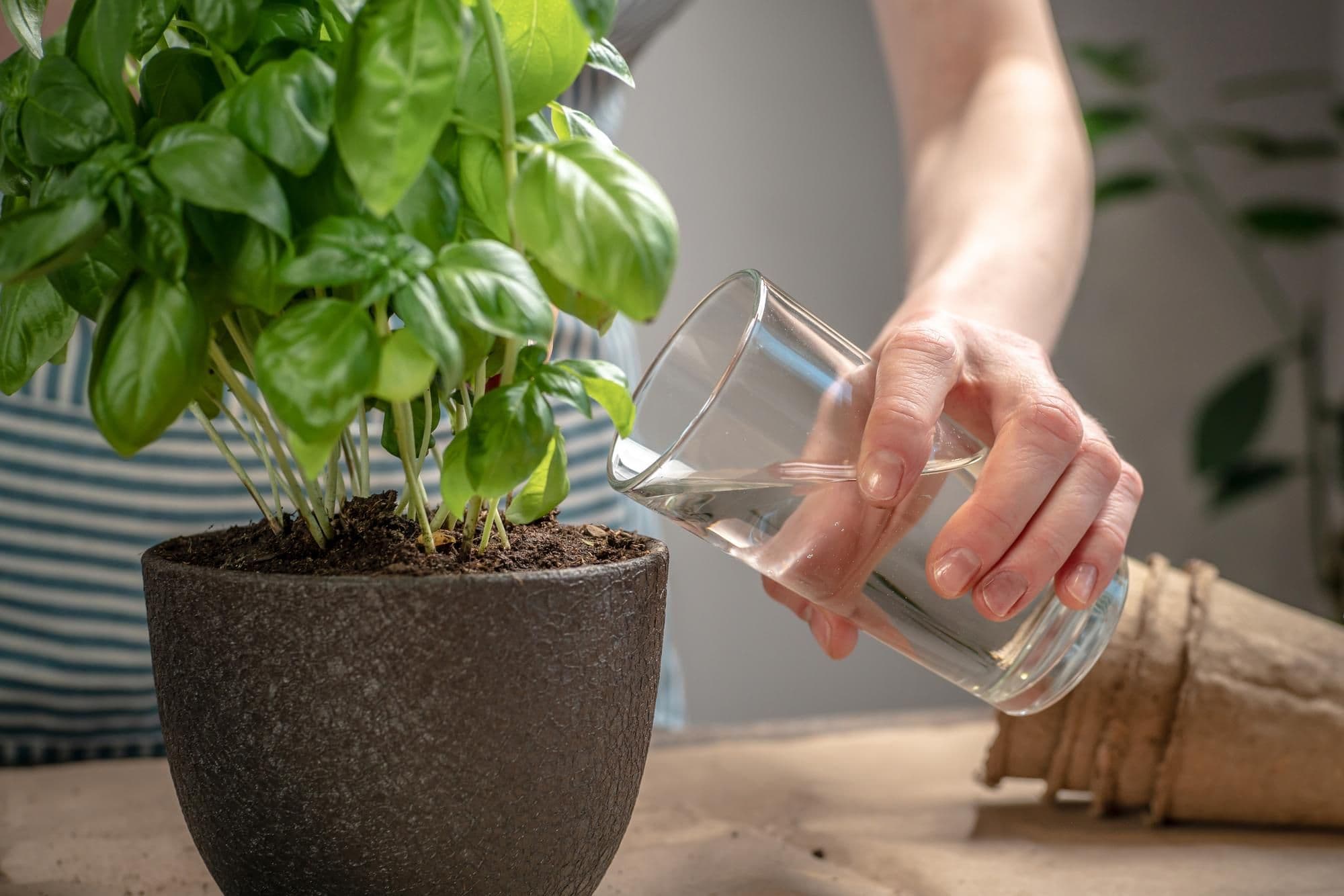
Rainwater, filtered, distilled, and tap water affect plants differently. Learn which types support healthy growth and which cause slow damage. Match each to your plants and discover how to easily improve tap water quality.

Plant Care
Best Water for Plants – How to Choose the Right Type
Can Plants Grow With Artificial Light?

6 min read · 15 Sept 2026

Can Plants Grow With Artificial Light?

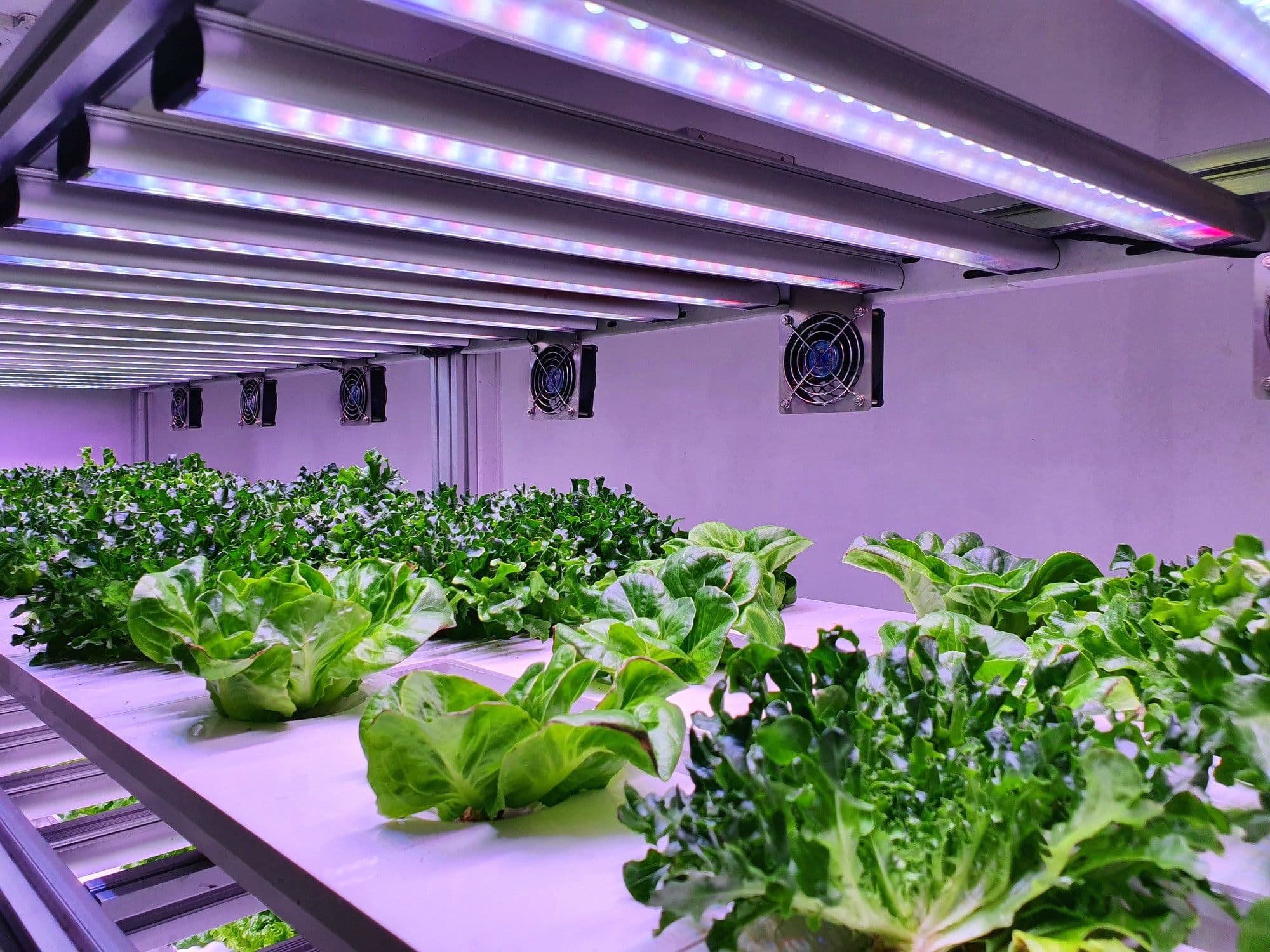
Plants can grow under artificial light when the setup provides a suitable spectrum, enough intensity, and sufficient daily exposure. This guide explains how artificial lighting compares with sunlight, which options work indoors, and how to match a setup to houseplants.

Plant Care
Can Plants Grow With Artificial Light?
How to Tell if a Plant Is Dead

6 min read · 19 Aug 2026

How to Tell if a Plant Is Dead

A plant can lose its leaves, stop growing, or collapse and still remain alive. A closer look at the stems, roots, bulbs, and tubers can show whether the plant still has a chance to recover.

Beginner Guides
How to Tell if a Plant Is Dead