Fig tree Care (Ficus carica)

Also known as: Fig, common fig, fig tree
Fig tree

About Fig tree

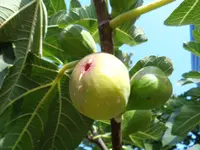
The fig tree, Ficus carica, is a deciduous fruit tree traditionally grown in warm, dry regions around the Mediterranean and Western Asia. It is now common in many mild-climate gardens. It typically forms a multi-stemmed shrub or small tree with broad, lobed leaves and soft, sweet fruits that develop from unique inverted flowers. Growth is relatively fast under suitable conditions. Ficus carica is generally easy to grow if it receives plenty of sun, moderate moisture, and well-drained soil. Understanding how to care for Fig tree mainly involves managing light, water, and protection from hard frost.

Main Plant Requirements

Care Difficulty

Moderate Care

Light Preference

Full Sun

Water Requirements

Moderate Water

Temperature Preference

Warm Climate

Hardiness Zone

7–10

Soil Texture

Sandy, Loamy, Clay

Soil pH

Acidic (5.5–6.5), Slightly acidic (6.5–7.0)

Soil Drainage

Well-drained

Fertilization

Minimal (feed rarely)

Get Personalized Care Plan

Scan your plant to receive care tips personalized for your specific plant

Available on iOS and Android

How to Care for the Fig tree

This species needs abundant light to fruit well but tolerates some shade depending on climate.

  • Provide 6–8 hours of direct sun daily; in hot inland climates, prioritize morning sun with light afternoon shade to prevent leaf scorch.
  • In cooler or coastal areas, full sun all day encourages compact growth and better yields, while light dappled shade is acceptable but may reduce fruiting.
  • For young plants or after transplanting, introduce stronger sun over 7–10 days to avoid sunburn, especially after time in shade or indoors.

Ficus carica prefers deep, infrequent watering that allows the soil surface to dry between soakings.

  • Outdoors in well-drained soil, water when the top 5–8 cm feels dry, soaking the root zone thoroughly, then allow excess to drain away.
  • Reduce watering in fall and winter as growth slows; in hot, dry summers, increase frequency but keep the soil slightly drying between waterings, not constantly wet.
  • Watch for yellowing leaves and soft, cracking fruit as signs of overwatering, and for leaf droop and small, hard fruit as signs of underwatering.

This plant grows best in warm conditions but needs winter chill and protection from hard freezes.

  • Active growth is strongest around 70–85°F (21–29°C), with acceptable growth from about 60–90°F (16–32°C) if soil moisture is stable.
  • Dormant trees can tolerate short dips to about 15–20°F (-9 to -6°C), but young or container plants are more vulnerable and benefit from protection.
  • Extended frost, severe windchill, or sudden drops after warm spells may damage buds and young shoots, so use wraps, mulch, or windbreaks in colder regions.

This species tolerates a wide humidity range and usually does well in 30–50% indoor air.

  • Fig tree copes with dry heated air but benefits from stable humidity around 40–50%, especially in active growth.
  • Leaves showing crispy edges or tip browning with otherwise moist soil can indicate air that is too dry.
  • Increase humidity locally by grouping plants, placing the pot near (not on) a tray of water and pebbles, or using a small room humidifier.

Ficus carica prefers loose, fast-draining, moderately fertile soil that does not stay waterlogged.

  • Use a loamy, slightly sandy mix such as 2 parts all-purpose potting mix, 1 part coarse sand, and 1 part compost for structure and nutrients.
  • Ensure excellent drainage by adding coarse perlite or fine bark to keep the mix airy and reduce the risk of root rot.
  • Aim for a slightly acidic to neutral pH of about 6.0–7.5, which supports nutrient availability and healthy root activity.
  • Avoid heavy clay, compacted soil, or mixes with high peat content that stay wet for long periods, especially in cooler weather.

This species is well suited to container growing if given enough root space and firm support.

  • Choose a wide, deep container that allows substantial root volume, which helps moderate drying between waterings and supports fruiting.
  • Select a heavy material such as ceramic or thick plastic to prevent the plant from tipping as the canopy becomes top-heavy.
  • Position the container where wind exposure is limited, or brace it against a wall, to reduce rocking that can stress roots in loose substrate.

Ficus carica benefits from moderate feeding during its active growing season to support fruiting and healthy foliage.

  • Use a balanced NPK fertilizer (such as 10-10-10) or well-rotted compost for container or poor-soil plants.
  • Feed every 4–6 weeks from early spring to midsummer, then stop to allow wood to harden.
  • Apply at half the label strength for potted trees to avoid salt buildup and root burn.
  • Do not fertilize in late fall or winter when growth is dormant.

Pruning keeps Ficus carica compact, productive, and structurally sound.

  • Plan main pruning in late winter while the tree is leafless and dormant.
  • Remove dead, diseased, crossing, or inward-growing wood to open the canopy to light and air.
  • Shorten overly long shoots to maintain height and encourage strong fruiting laterals.
  • Use clean, sharp bypass pruners or loppers, making cuts just above outward-facing buds.

Container-grown fig trees benefit from periodic repotting to maintain vigor and root health.

  • Watch for roots circling the pot, water running straight through, or slowed growth as signs the plant is pot-bound.
  • Repot or transplant in late winter to early spring, before strong new growth begins.
  • Move up only 1–2 pot sizes every 2–3 years, using a well-drained, gritty mix.
  • Loosen circling roots gently, remove a small amount of old soil, water thoroughly, and keep shaded for a few days to reduce stress.

Ficus carica is commonly propagated from cuttings rather than seeds to maintain desired fruit traits.

  • Take 15–20 cm hardwood cuttings in late winter, selecting pencil-thick, healthy one-year wood.
  • Insert cuttings into a free-draining mix, keeping the lower nodes buried and the medium just moist.
  • Provide bright, indirect light and temperatures around 65–75°F to support rooting.
  • Layering low branches outdoors in spring is another reliable option for backyard trees.

Most garden figs tolerate light frost but need targeted winter care in colder climates.

  • Many cultivars withstand short drops to about 10–15°F once established, though young stems are more tender.
  • Mulch the root zone with 7–10 cm of straw, leaves, or wood chips to buffer soil temperature.
  • Wrap or insulate stems in very cold areas, using breathable fabric rather than plastic.
  • Move container trees into a cool, frost-free garage or shed and water sparingly during dormancy.

Care Tips

Root sucker management

Inspect the base of the plant a few times each growing season and cut unwanted root suckers at ground level while young to keep energy focused on the main framework branches and improve fruit quality.

Summer shoot pinching

In mid to late summer, pinch back the soft tips of excessively vigorous green shoots to about 4–6 leaves beyond the last fruit to redirect resources into ripening existing figs instead of pushing more leafy growth.

Branch bending training

Gently bend and loosely tie young, flexible branches to a more horizontal position using soft ties, which encourages more fruiting spurs along the branch and keeps the canopy lower and easier to harvest.

Container root pruning

Every 2–3 years for container plants, lift the root ball in late winter, slice off 2–5 cm of roots all around and at the base with a clean knife, then repot with fresh mix to control size and maintain strong, fibrous roots for better yields when growing Fig tree.

Fig wasp exclusion

In areas with fig wasps or other small insects entering fruit, use fine insect netting over the tree or individual branches just before fruits soften to reduce insect damage while still allowing light and air movement.

Common Pests and Diseases

Fig mosaic virus

This disease causes mottled, distorted, or puckered leaves with yellow or light-green patches and reduced vigor. Symptoms include poor growth and smaller, deformed figs.

Solution

Remove and discard heavily affected shoots to reduce virus load, and control sap-sucking pests like mites that spread it. Avoid propagating from symptomatic plants and space trees to improve airflow and general Ficus carica care conditions so the tree copes better with infection.

Fig rust

This disease produces small yellow spots on the upper leaf surface and orange-brown powdery pustules on the underside, leading to premature leaf drop. Symptoms include thinning canopy and reduced fruit quality.

Solution

Collect and discard fallen leaves, prune for better airflow, and avoid wetting foliage when watering. In humid climates, use a labeled copper or sulfur-based fungicide at the first signs of spotting, following the product directions carefully.

Fig wasp larvae (fruit infestation)

This pest involves tiny wasps whose larvae develop inside figs, sometimes causing internal breakdown of the fruit. Symptoms include soft, misshapen, or prematurely dropping figs with internal discoloration.

Solution

Remove and destroy affected fruits promptly to break the life cycle. Choose self-fertile, common fig varieties suited to your region and avoid planting near caprifig trees that host the specific pollinating wasps if larval infestation is a recurring issue.

Dried fruit beetle

These insects are small beetles that bore into nearly ripe or damaged figs, introducing decay organisms. Symptoms include sour-smelling, oozing figs with soft, rotting areas around the entry holes.

Solution

Harvest figs promptly as they ripen and remove overripe or damaged fruit from the tree and ground. Use fine mesh bags over fruit clusters if infestations are heavy and eliminate nearby fallen fruit or compost piles that harbor beetles.

Spider mites

This pest feeds on leaves, causing fine stippling, bronzing, and webbing, especially during hot, dry weather. Symptoms include dull, dusty-looking foliage and slowed growth.

Solution

Spray foliage with a strong stream of water to dislodge mites and increase humidity around the tree, especially for Fig tree indoor care. If needed, apply insecticidal soap or horticultural oil to the undersides of leaves, repeating at 7–10 day intervals according to the label.

Interesting Facts

Specialized fig wasp

Common fig trees in their native range are pollinated by a tiny wasp, Blastophaga psenes, which has co‑evolved with the species and can complete its life cycle only inside these figs.

Hidden inside-out flowers

What looks like a fig fruit is actually a hollow, fleshy structure called a syconium that contains hundreds of tiny inward-facing flowers on its inner wall.

Ancient domesticated crop

Archaeological evidence from the Jordan Valley suggests that cultivated figs may date back more than 11,000 years, making this species one of the earliest domesticated fruit trees.

Botan icon

Did you know?

Some individual common fig trees can spread into very broad, multi-trunked clumps through vegetative growth, forming long-lived clones that can persist and produce fruit for many decades even when not regularly managed by humans.

FAQs about Fig tree

Yellowing leaves often result from overwatering, poor drainage, or sudden temperature changes. Check that the root zone is not waterlogged, adjust watering, improve drainage, and avoid abrupt moves between very different light or temperature conditions.

Grow Healthy Plants with Botan Care

Keep your plants happy and healthy with plant identification, disease detection, and easy care guidance.

Botan plant care app — identify plants on mobile

Explore More Plants