





Best Soil for Fig tree (Ficus carica)

Loose, well-drained soil with a slightly acidic reaction helps Ficus carica develop healthy roots and maintain steady growth.

Soil Texture

Sandy, Loamy, Clay

Soil pH

Acidic (5.5–6.5), Slightly acidic (6.5–7.0)

Soil Drainage

Well-drained

Ficus carica Soil Guide

Native to western Asia and the Mediterranean, Ficus carica grows in warm, bright regions with dry summers and mineral soils that drain freely. That background explains why Fig tree soil should feel open and airy rather than dense or soggy.

Its roots spread widely and benefit from a soil structure that holds some moisture but still lets air move through. Sandy or loamy ground works especially well, while clay is suitable only when it drains well enough to avoid staying waterlogged. Slightly acidic to acidic soil supports steady root function.

A simple homemade mix can give Ficus carica the balance of airflow, moisture control, and support it needs in a container.

100% total mix = 20 scoops
15%
compost or aged bark fines3 scoops
20%
perlite or pumice4 scoops
25%
coarse sand5 scoops
40%
high-quality potting soil8 scoops

The finished mix should feel crumbly and sturdy, not sticky or dense, and water should pass through without pooling for long.

This species dislikes airless root conditions, especially in containers. Several common soil issues can slow root function or keep the root zone too wet for too long.

Compacted soil:

Dense soil that stays hard after watering can limit root oxygen, so gently loosen the surface and consider replacing the mix with a more open one.

Poor drainage:

Water that sits on the surface or drains very slowly suggests the root zone may stay too wet, so check drainage holes and reduce heavy fine material.

Salt buildup:

A pale crust on the soil surface can point to mineral accumulation, so scrape off the top layer and flush the pot thoroughly with clean water.

Old broken-down mix:

If the soil shrinks, turns dusty, or becomes muddy easily, its structure may be degrading, so refresh it with a new mix that restores pore space.

Scan for Better Soil

Botan can help identify the plant and guide a more suitable soil choice based on how this species typically grows.

FAQ

Yes. Drainage holes help excess water leave the container, which keeps the root zone from staying saturated and makes it easier to maintain a stable Fig tree soil mix.

Everything About Fig tree

More Plant Soil Guides

See If Soil Is the Issue

A photo check in Botan can help show whether soil could be part of the problem and what to review next.

Botan app helping with soil and plant care
Can Plants Grow With Artificial Light?

6 min read · 15 Sept 2026

Can Plants Grow With Artificial Light?

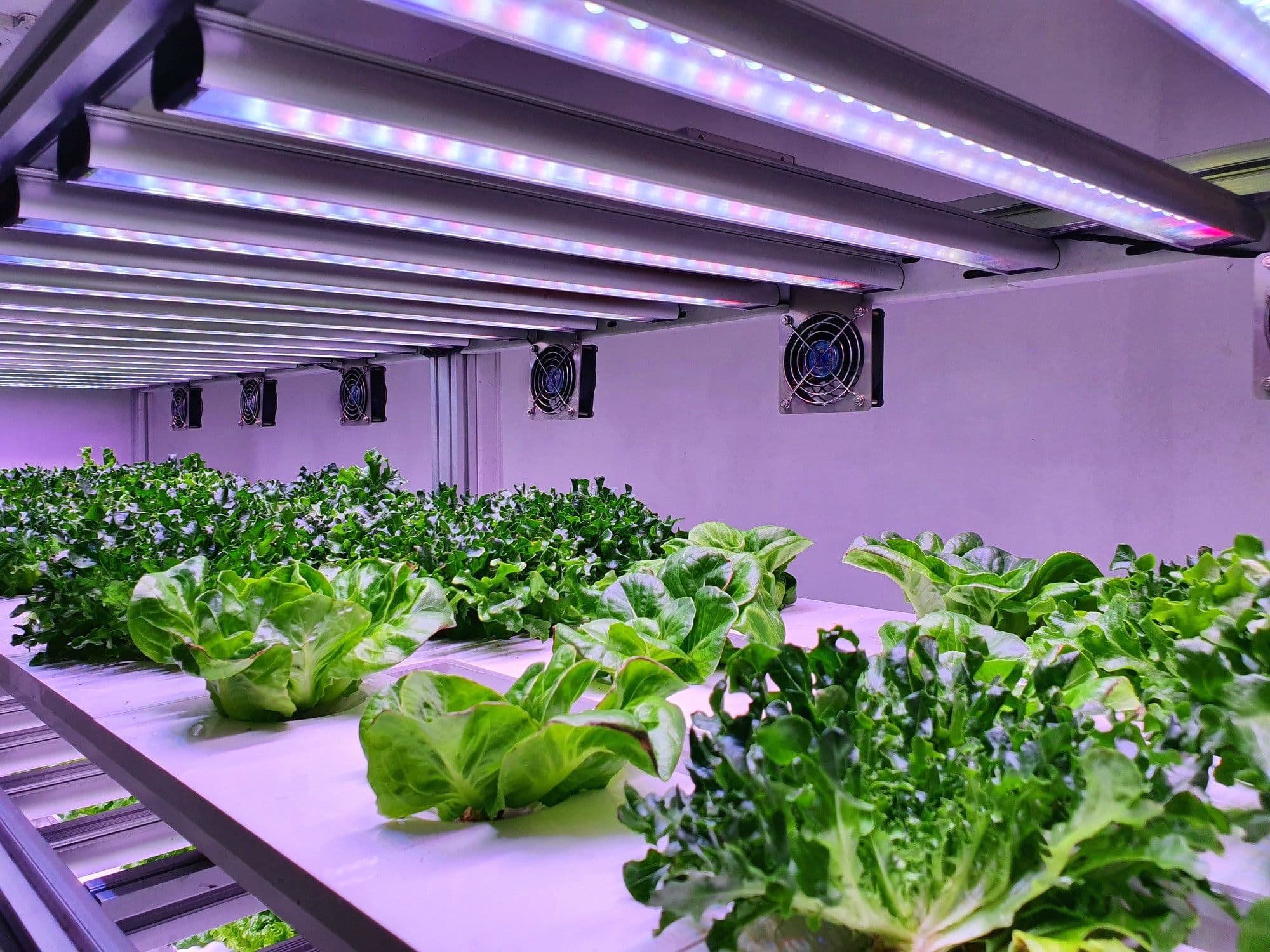
Plants can grow under artificial light when the setup provides a suitable spectrum, enough intensity, and sufficient daily exposure. This guide explains how artificial lighting compares with sunlight, which options work indoors, and how to match a setup to houseplants.

Plant Care
Can Plants Grow With Artificial Light?
Best Fertilizer for Vegetable Gardens – What to Use for Each Plant

11 min read · 20 Jul 2026

Best Fertilizer for Vegetable Gardens – What to Use for Each Plant

Here, you’ll find the right fertilizer formula for vegetables in your garden. Learn how to adjust feeding correctly throughout the growing cycle, spot nutrient deficiencies by their symptoms, and keep your plants healthy and prolific.

Plant Recommendations
Best Fertilizer for Vegetable Gardens – What to Use for Each Plant
How to Increase Humidity for Plants – 8 Simple Ways That Work

8 min read · 14 Aug 2026

How to Increase Humidity for Plants – 8 Simple Ways That Work

Dry indoor air stresses a lot of houseplants. You usually notice it first in the browning leaf tips. This guide describes 8 simple ways to raise the moisture around your plants, from humidifiers to pebble trays.

Plant Care
How to Increase Humidity for Plants – 8 Simple Ways That Work