


Best Soil for Weeping Fig (Ficus benjamina)

For strong root growth, Ficus benjamina needs a loose, moisture-retentive mix that still drains well and stays slightly acidic to near neutral.

Soil Texture

Loamy, Sandy, Organic-rich

Soil pH

Slightly acidic (6.5–7.0), Neutral (7.0)

Soil Drainage

Moist but well-drained

Ficus benjamina Soil Guide

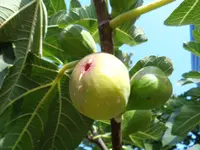
Native to tropical and subtropical Asia and northern Australia, Ficus benjamina grows in warm forests where the ground stays lightly moist but drains freely. That background explains why it prefers soil that holds some moisture and organic matter without becoming dense or soggy.

Its root system benefits from air around the roots, so the best soil for Weeping Fig feels loose, loamy, and slightly sandy rather than heavy. A mildly acidic to near-neutral soil suits steady root function and supports consistent moisture uptake without prolonged wetness.

A homemade mix gives better control over texture and drainage for Ficus benjamina in containers. The goal is balance, not a rich or heavy blend.

100% total mix = 20 scoops
15%
coco coir or peat moss3 scoops
20%
perlite or pumice4 scoops
25%
pine bark fines or orchid bark5 scoops
40%
high-quality potting soil8 scoops

When blended, it should feel springy and crumbly, hold light moisture, and let excess water move through without staying soggy.

A slightly acidic to near-neutral range of about 5.5–7.0 suits Weeping Fig well. Within that range, key nutrients stay more available to the roots, which supports steadier growth and leaf health.

This species usually handles small pH shifts, but soil that is far outside that range can gradually limit nutrient uptake even when the mix otherwise looks suitable.

This species can react poorly when the root zone stays stressed for long periods. Small soil issues often become easier to manage when caught early.

Compacted mix:

Dense soil can limit airflow and leave the root zone wet for too long; loosen the surface gently and plan to replace the mix if it stays heavy.

Poor drainage:

Water that lingers in the container often points to a slow-draining root zone; first check the drainage holes and empty any collected runoff promptly.

Hydrophobic soil:

If very dry mix shrinks from the pot edge and resists moisture, rewet it gradually and evenly rather than flooding it all at once.

Salt buildup:

A pale crust on the soil surface can come from mineral accumulation, which Ficus benjamina may dislike; scrape off the top layer and flush the mix thoroughly.

Match Plant to Soil

Botan helps match this plant to a suitable soil setup based on its needs, container conditions, and what the plant appears to be growing in.

FAQ

Yes. Drainage holes help excess water leave the container, which lowers the chance of stale, waterlogged conditions around the roots and makes moisture levels easier to manage over time.

Everything About Weeping Fig

More Plant Soil Guides

Is Your Soil the Problem?

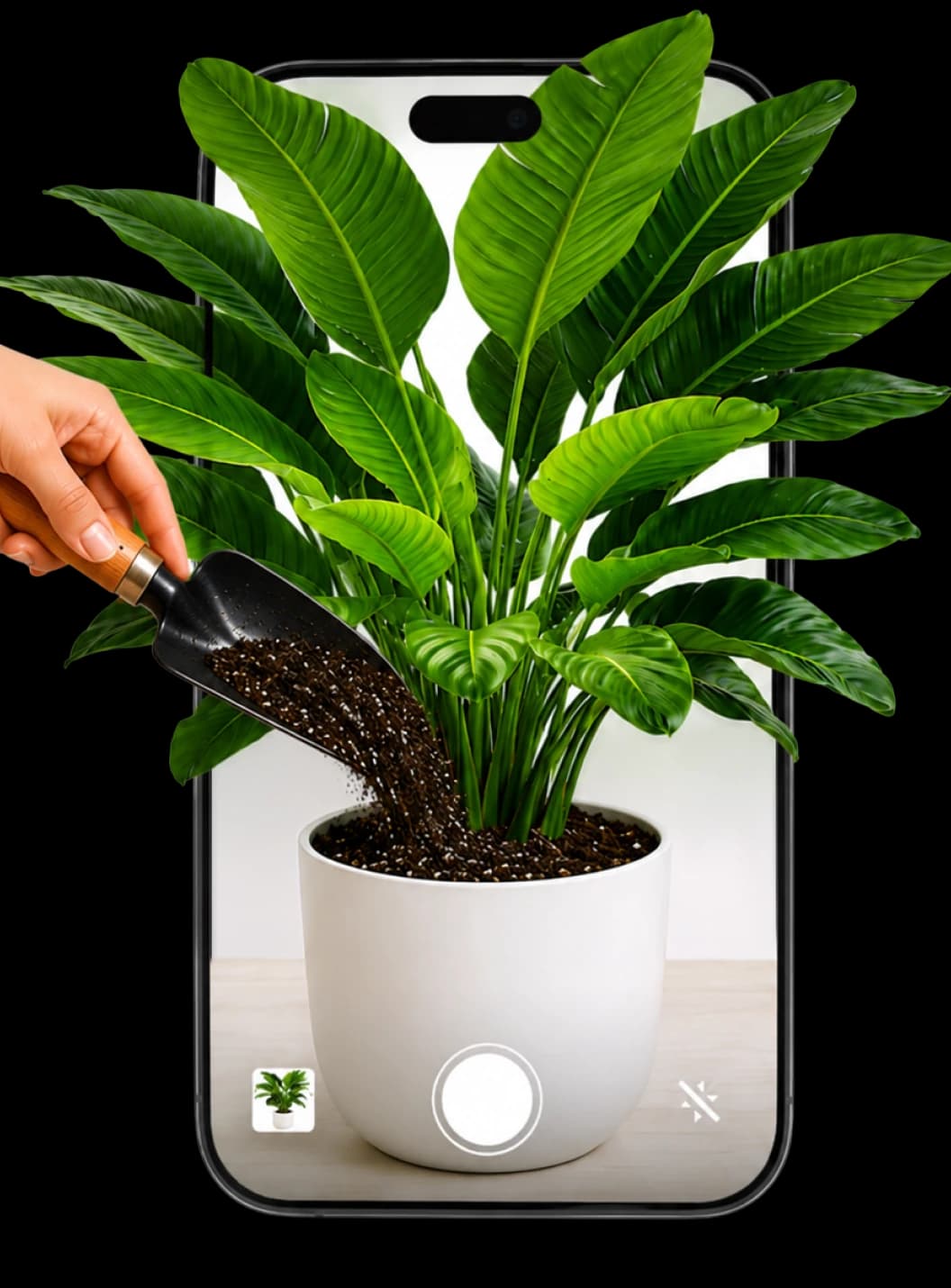
If growth or leaf condition seems off, soil may be one factor to check. Botan’s photo-based assessment can help narrow down likely causes.

Botan app helping with soil and plant care
Dill Companion Plants – What to Grow Next to Dill

9 min read · 17 Jul 2026

Dill Companion Plants – What to Grow Next to Dill

Dill is an easy-to-grow plant that gets along well with many vegetables. This guide describes 15 plants that can be planted alongside it, a few to avoid, and mistakes that can quietly sabotage the entire process.

Plant Recommendations
Dill Companion Plants – What to Grow Next to Dill
Best Water for Plants – How to Choose the Right Type

7 min read · 13 Aug 2026

Best Water for Plants – How to Choose the Right Type

Rainwater, filtered, distilled, and tap water affect plants differently. Learn which types support healthy growth and which cause slow damage. Match each to your plants and discover how to easily improve tap water quality.

Plant Care
Best Water for Plants – How to Choose the Right Type
What Plants Don't Like Epsom Salt?

11 min read · 29 Jul 2026

What Plants Don't Like Epsom Salt?

Learn which plants can be seriously damaged by Epsom salt and which will thrive on it. We’ll explain when and how to use it properly, provide tips for indoor & outdoor plants — read on and enjoy a healthy garden.

Plant Care
What Plants Don't Like Epsom Salt?