






Best Soil for Star jasmine (Trachelospermum jasminoides)

For healthy roots, Trachelospermum jasminoides needs loose, organic-rich soil that drains well while holding some consistent moisture.

Soil Texture

Sandy, Loamy, Organic-rich

Soil pH

Acidic (5.5–6.5), Slightly acidic (6.5–7.0)

Soil Drainage

Moist but well-drained

Trachelospermum jasminoides Soil Guide

Native to eastern and southeastern Asia, Trachelospermum jasminoides grows as a woody evergreen vine in warm, humid settings where soil stays lightly moist but does not stay soggy. That background explains its preference for a loose, breathable root zone with steady moisture and good drainage.

The best soil for Star jasmine is sandy or loamy with plenty of organic matter. This texture holds enough moisture for active growth while still allowing air around the roots, which helps support healthy, spreading root development and reduces stress from dense, wet soil.

A simple homemade blend can give Trachelospermum jasminoides the balance of structure and moisture control it needs in containers.

100% total mix = 20 scoops
15%
compost3 scoops
20%
perlite or pumice4 scoops
25%
pine bark fines5 scoops
40%
high-quality potting soil8 scoops

The finished mix should feel light, crumbly, and slightly springy, with water moving through evenly instead of pooling.

Star jasmine grows best in slightly acidic to mildly acidic soil, around 5.5–7.0 pH. That range keeps key nutrients such as iron, manganese, and phosphorus more available to the roots.

Outside that range, some nutrients become harder for the plant to absorb even when they are present in the soil. A near-slightly-acidic mix usually supports the most balanced uptake.

Most soil issues develop gradually and are easier to correct when caught early. With Trachelospermum jasminoides, root stress often starts below the surface.

Compacted soil:

Compacted soil: slow drying, reduced vigor, or water sitting on the surface can point to poor air flow, so gently loosen the top layer and check whether the mix has become dense.

Soggy root zone:

Soggy root zone: a heavy, persistently wet root area can stress roots, so pause extra moisture sources and confirm excess water can move out freely.

Spent organic matter:

Spent organic matter: if the mix shrinks, hardens, or drains unevenly, the structure may be breaking down, so refresh at least part of the root zone with newer material.

Salt buildup:

Salt buildup: a pale crust on the surface can suggest mineral accumulation, so scrape off the top layer and flush through with clean water if drainage is good.

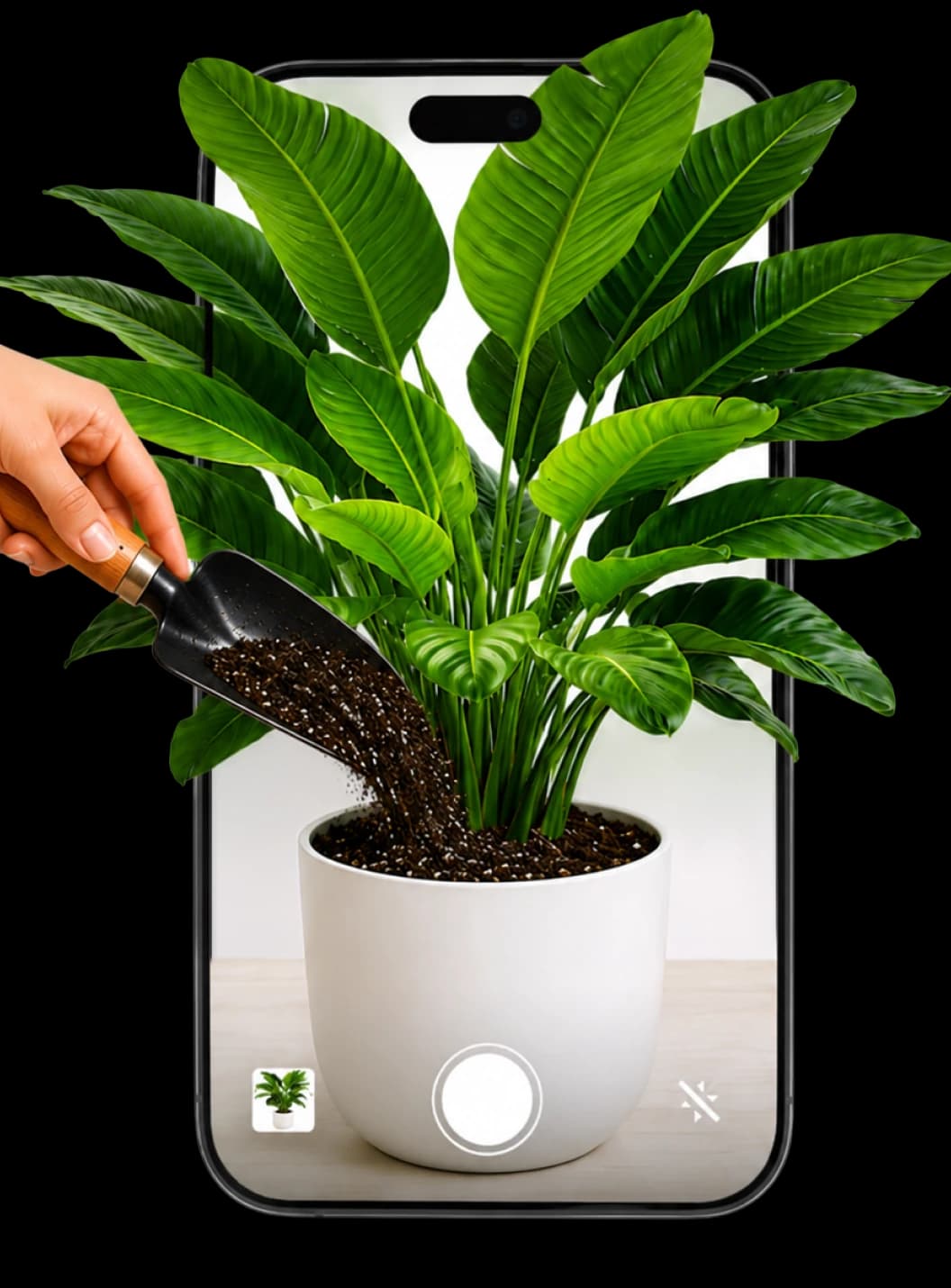
Scan. Match. Grow.

Botan helps match this plant to a suitable soil setup, so mix choices are based on real care needs, not guesswork.

FAQ

Yes. Drainage holes help excess water leave the container, which protects root health and keeps the mix from staying saturated too long. That matters even more in a moisture-retentive Star jasmine potting mix.

Everything About Star jasmine

More Plant Soil Guides

Is Your Soil the Problem?

A photo check can help show whether soil may be one factor behind visible decline. Botan helps narrow down what to review next.

Botan app helping with soil and plant care
12 Best Plants That Repel Spiders For Your Home and Garden

8 min read · 24 Jul 2026

12 Best Plants That Repel Spiders For Your Home and Garden

Spiders constantly appear in places you don't want them. A few common plants can help repel them using scent alone. Here are 12 options suitable for both indoors and outdoors, plus care tips for each.

Plant Recommendations
12 Best Plants That Repel Spiders For Your Home and Garden
Best Fertilizer for Grass in Summer: How to Choose the Right One

6 min read · 18 Aug 2026

Best Fertilizer for Grass in Summer: How to Choose the Right One

The right fertilizer in summer can make a lawn thrive. The wrong one can damage it. Here, you’ll learn the best NPK ratios by grass type, when and how to apply your formula, and how to recognize the signs of over- or under-fertilizing.

Plant Care
Best Fertilizer for Grass in Summer: How to Choose the Right One
How to Winterize Your Garden in 6 Steps

5 min read · 28 Sept 2026

How to Winterize Your Garden in 6 Steps

Learn how to prepare your garden for winter with a practical six-step checklist covering cleanup, tender plant care, watering, mulching, winter protection, and winterizing equipment and containers.

Plant Care
How to Winterize Your Garden in 6 Steps